


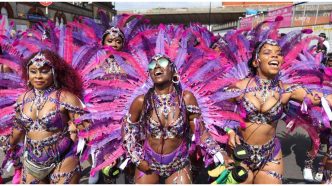
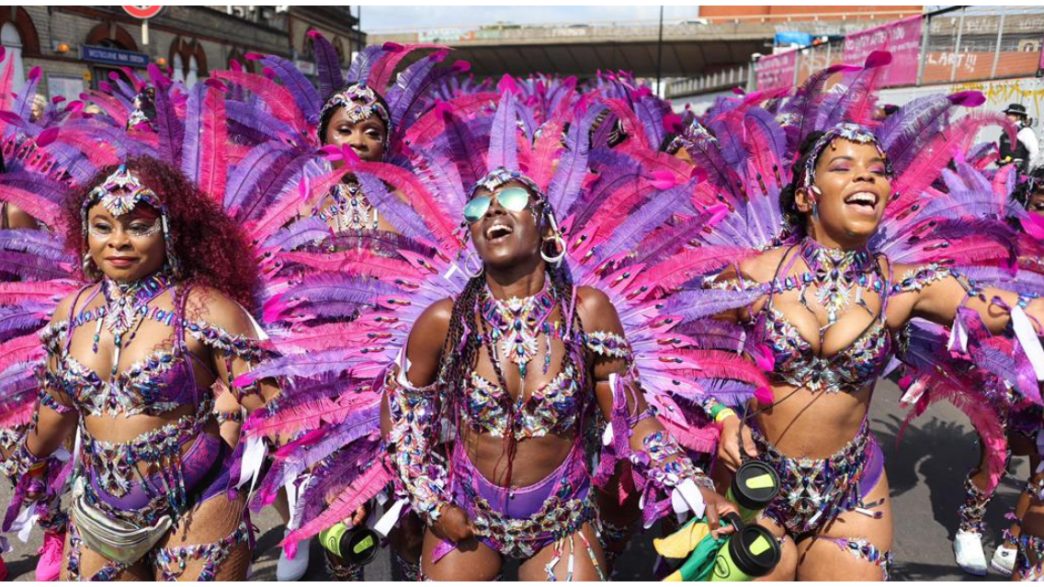
On Sunday, August 30, the Notting Hill Carnival took over the streets of Notting Hill and Ladbroke Grove in London. Bright colours and music have been the order of the day as the carnival kicked off its 60th anniversary celebrations.
The carnival, which began as a small community gathering in 1966, has now become one of Europe’s largest street festivals. The carnival has always drawn millions of visitors over the August bank holiday weekend.
SEE ALSO: Why Food Festivals Are Becoming Nigeria’s New Lifestyle Obsession 
What the Carnival Looks Like
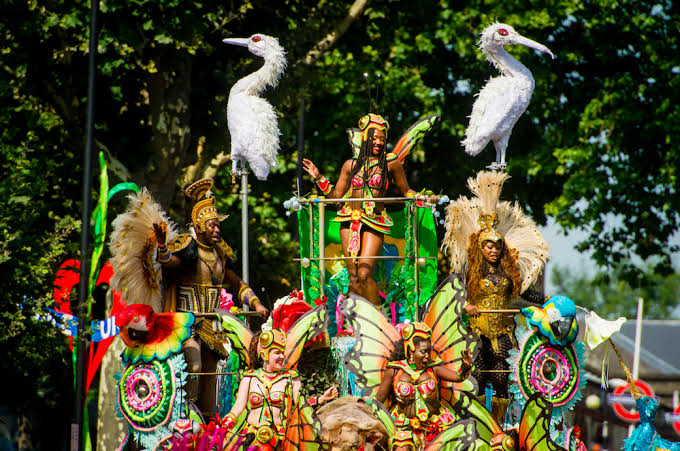
The carnival usually opens with the traditional J’ouvert parade. This year’s J’ouvert parade was on Sunday, August 30. Participants usually wear vibrant costumes, dancing and marching. They move through the streets in a high-spirited and joyful procession rooted in the Caribbean carnival culture. “J’ouvert” comes from the French “jour ouvert,” meaning “daybreak.”
During the festival, Notting Hill never looks like an ordinary street. Caribbean and African flags flutter from windows and shoulders of the revellers as sunlight glances off their sequins, gems and feathers.
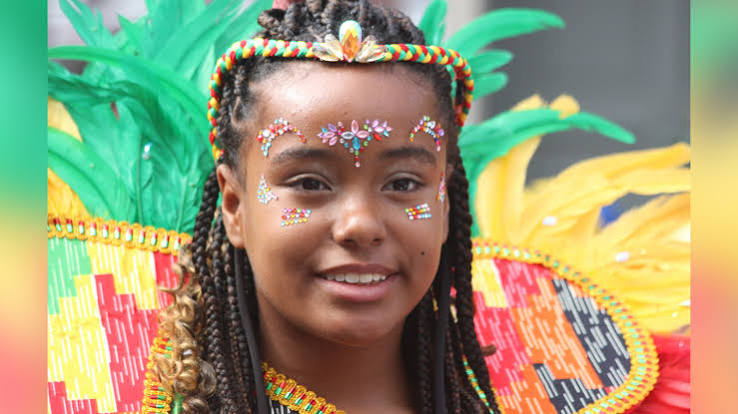
Hence, participants walk around with their faces painted and dazzling costumes, including elaborate headdresses. The pounding lines of soca, calypso, reggae and other Caribbean sounds, and the street create an affirmation of identity and creativity.
The children are not left out of the carnival. In fact, they are a big part of the celebration, as many adults have attended the carnival since they were little, toddling beside their parents. Hence, now that they are parents, they bring their children to be a part of it.
Floats heavy with booming sound systems and steelpan bands roll past. Dancers in intricate, handmade masks weave through the crowds with high spirits. The whole street becomes a living river of colour, music and movement, a contrast from its everyday self.
A Brief History of the Notting Hill Carnival
Notting Hill Carnival’s roots are linked to postwar Britain and the experiences of the Windrush generation.
The first Caribbean carnival in Britain happened after the 1958 Notting Hill race riots and the racially motivated murder of Kelso Cochrane in 1959. However, the outdoor street festival that became Notting Hill Carnival emerged in 1966. It was organised by a local social worker, Rhaune Laslett, as a multicultural “fayre” aimed at bringing communities together.
A Trinidadian musician, Russell Henderson, and his steel band led an impromptu procession that helped shape the event’s character. Over the decades, it evolved through the contributions of sound system pioneers, mass bands, and generations of Caribbean Londoners into the spectacular celebration known today.
For six decades, a moving tradition has continued: a 72-second silence at 3 pm on both Sunday and Monday in memory of the 72 people who lost their lives in the nearby Grenfell Tower fire.
As Notting Hill Carnival 2026 marks six decades of celebration, its streets remain a powerful expression of Caribbean identity and British multiculturalism.

About The Author