




Nigeria plans to take a step in its digital sector development, as tech analysts predict that the country will commission its first AI data centres by 2026.
MTN Group’s AI-focused subsidiary, Genova’s, $250 million investment powers this development, and it aims to provide computing power to African businesses and government institutions. 
The initiative forms part of a $1 billion infrastructural push involving global technology firms such as Microsoft and Equinix. This plan is targeted at reducing Nigeria’s dependence on foreign cloud services, which Nigeria spends an estimated $850 million annually on offshore data hosting and cloud computing doing.
Tech experts are of the opinion that localising AI infrastructure will cut costs as well as improve data security system performance in Nigeria, and the first phase of this plan is already underway.
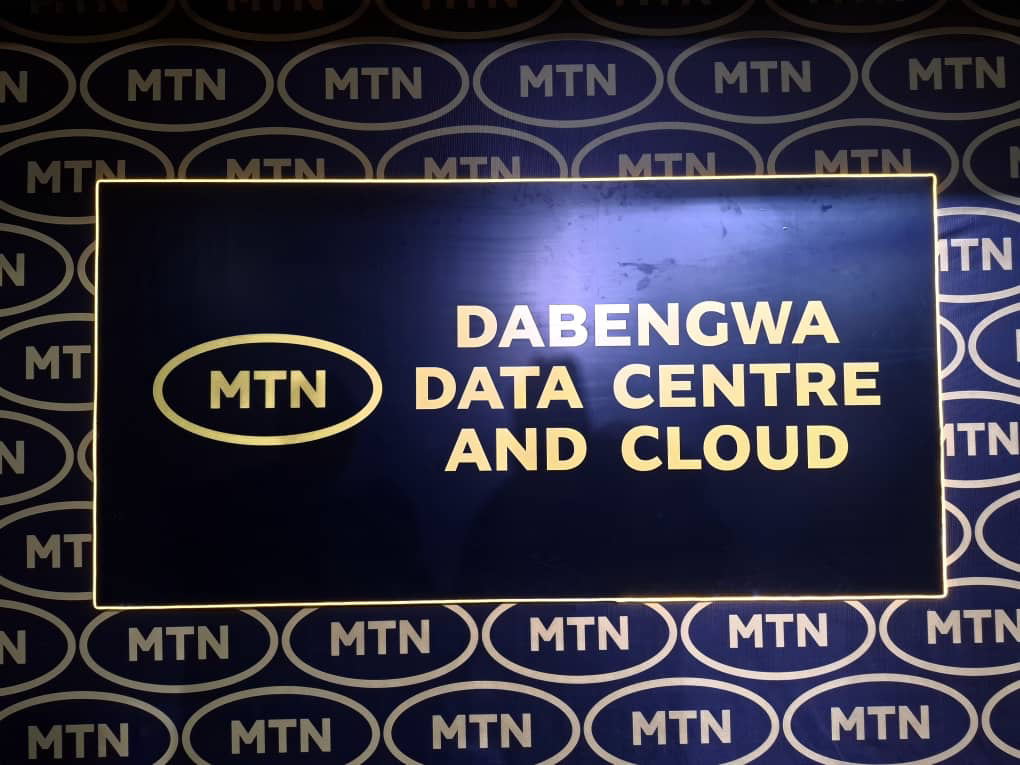
MTN’s Sifiso Dabengwa Data Centre in Ikeja, Lagos, has begun operations with a 4.5 MW capacity.
However, full AI-ready functionality, which requires high-density graphics processing unit (GPU) servers capable of handling intensive AI workloads, is expected to be completed in the second half of 2026.
Other groups also trying to establish large-scale AI-ready facilities in 2026 are Airtel Africa, who is currently developing a 38 MW Nxtra data centre in Eko Atlantic, and Kasi Cloud, who is building a hyperscale data campus in Lekki.
These facilities are designed to meet the heavy power and cooling demands associated with AI model training, marking a shift away from the traditional data storage centres.
Furthermore, Nigeria’s Business Process Outsourcing (BPO) sector is undergoing a rapid professional expansion. Reports show that a BPO provider recently made use of 268 specialised engineers to manage AI-driven operations for Tier-1 banks and government agencies.
This move supports the delivery of “sovereign digital solutions” that ensure sensitive financial and national data remain within Nigeria’s borders in accordance with the Nigeria Data Protection Act.
Despite the growth, industry stakeholders acknowledge that energy supply remains a major challenge in the country and that AI data centres will consume up to 20 times more power than conventional server facilities, which will place additional strain on Nigeria’s already fragile national grid.
Due to this factor, operators such as Open Access Data Centres are exploring alternative energy sources, including natural gas and geothermal partnerships.
ALSO READ: PalmPay, Opay, and now Paystack Microfinance Bank – What’s In The Deal?
Wole Abu, Managing Director for West Africa at Equinix, when speaking on the broader implications, said the focus is not merely on importing foreign technologies but on building resilient, locally priced AI infrastructure tailored to African realities.
If successfully implemented, Nigeria will become a regional hub for artificial intelligence development, creating high-skilled jobs and strengthening the country’s digital sovereignty.
About The Author