



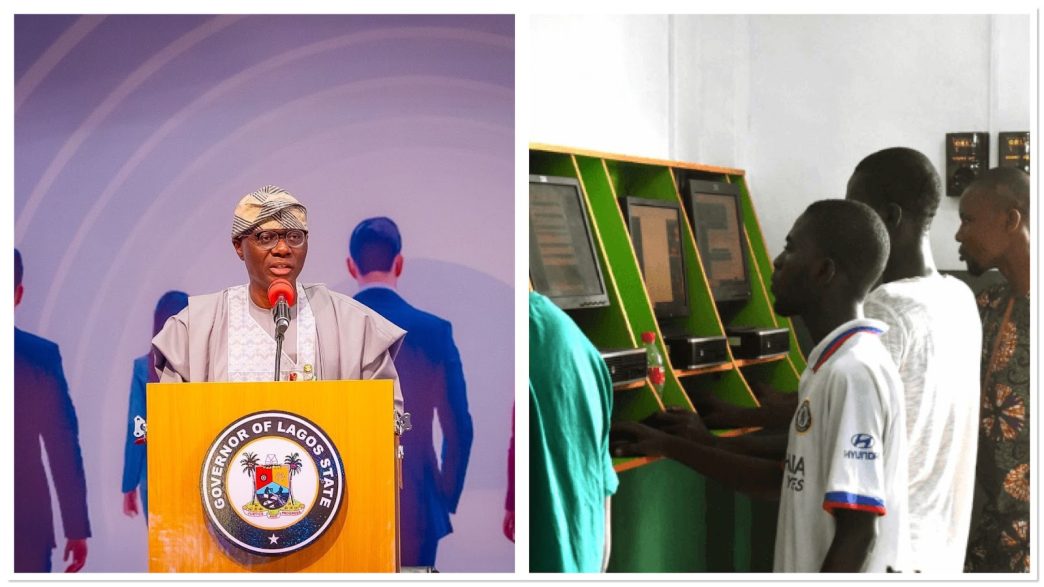
If you’re betting on a Lagos-licensed platform, your payout just got reduced. The Lagos State Government has begun enforcing a 5% withholding tax on gaming winnings, effective immediately.
This 5% tax gets deducted before your winnings land in your gaming account. Why is this necessary, and how does it work?
ALSO READ: How Tony Elumelu Turned a Dying Bank into a Banking Empire — The UBA Story
Why Take 5% Withholding Tax on Gaming Winnings?
In a public notice signed by Mr Are Bashir, CEO of the Lagos State Lotteries and Gaming Authority (LSLGA), operators were directed to begin automatic deductions.
“The state has begun implementing a 5% Withholding Tax (WHT) deduction on gaming winnings,” the notice stated, adding that the tax applies to net winnings and is removed “at the point of payout.”
According to regulators, this move is part of Lagos’ efforts to “strengthen tax compliance, transparency, and accountability in the rapidly expanding gaming sector.” It also tightens KYC rules, as players are expected to provide their National Identification Number (NIN).
Your winnings will be paid after the deduction, and the withheld amount serves as a tax credit. This development comes amid Nigeria’s broader gambling regulatory debate. It comes after the Central Gaming Bill got declined at the federal level, leaving states in charge.
Does Your Physical Location Matter?
Here’s where many punters get confused. What matters is the licensing location of the platform you bet on (their headquarters). It doesn’t matter where you are playing from.
If the betting company is licensed and operating under Lagos State, the 5% applies. Whether you place your bet in Abuja, Port Harcourt, or from your bedroom in Ibadan, it still gets deducted automatically and remitted to the Lagos State Internal Revenue Service (LIRS).

In Closing
The endgame here is to get a more structured oversight, a smoother revenue collection process, and a gaming sector that is easier to track and tax.
For punters, if your platform is Lagos-licensed, factor that 5% into your expected payout. The bet may still be yours, but the state now takes its cut first. Sadly, they are not concerned by your “What is Cashout?”

About The Author