


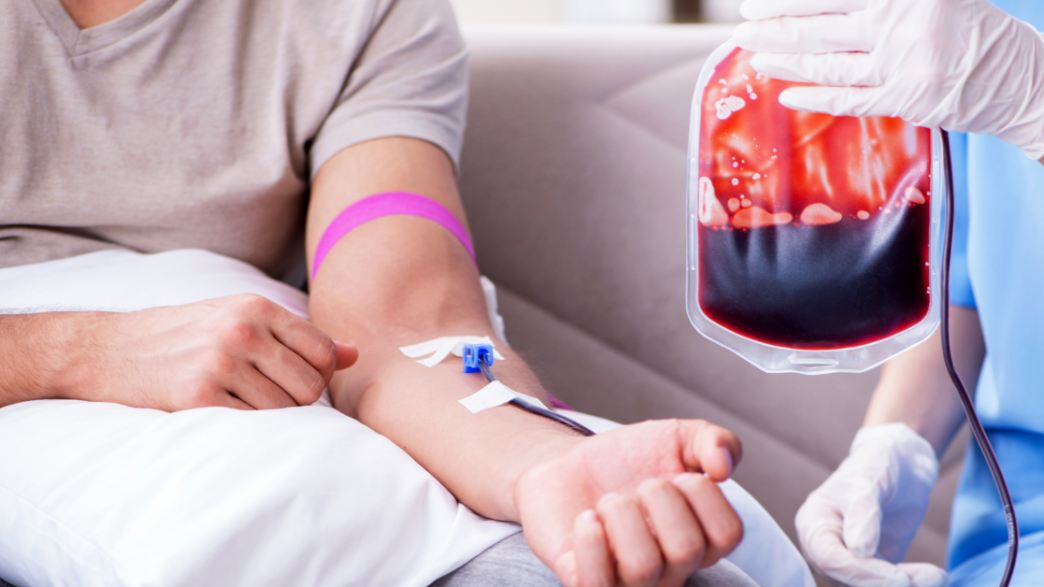
When news broke that popular personal shopper on X, Aunty Esther who needed urgent medical care for cancer, would not accept blood transfusion due to her belief as a Jehovah’s Witness, her decision ignited a storm of debates on X (formerly Twitter), which included expressions of shock, empathy, anger, and confusion.
Even though Nigerians rallied around her with remarkable generosity, raising ₦30 million, she refused blood transfusion that was deemed necessary by her doctors as part of her treatment plan.
Many were stunned that someone battling a life-threatening illness would reject a potentially life-saving procedure. 
ALSO READ: 5 Shocking Things Sola Allyson Said In An Interview That Broke the Internet
Why Jehovah’s Witnesses Say No to Blood Transfusions
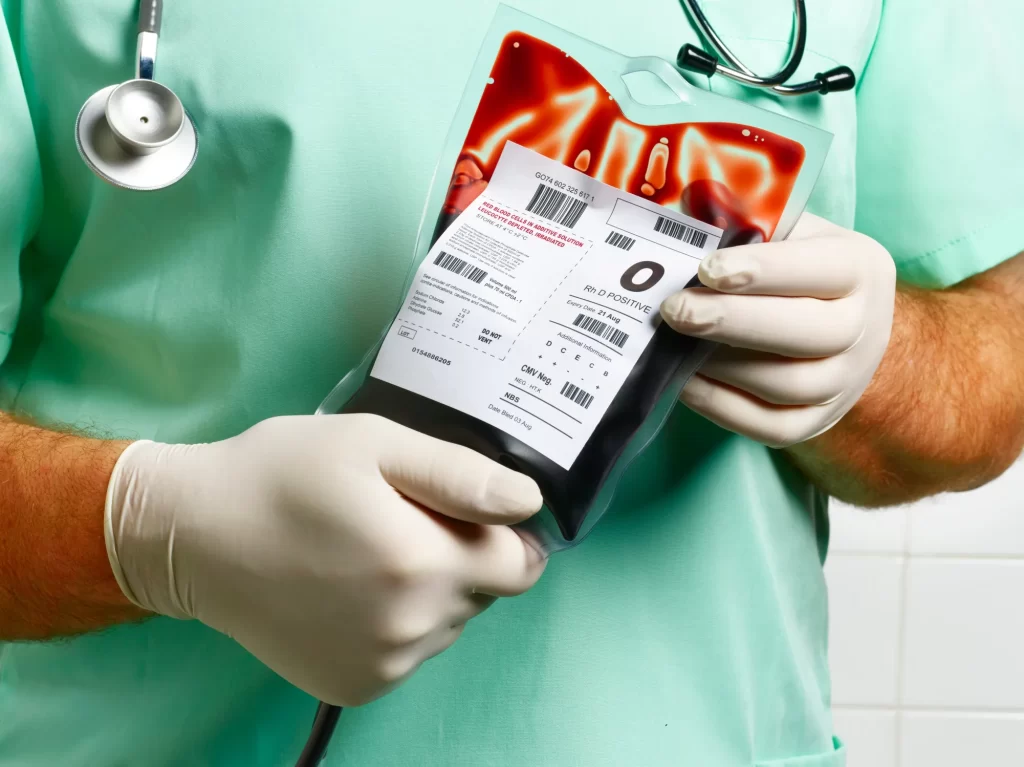
To many outside the faith, the refusal seems confusing or extreme. But within the Jehovah’s Witness community, abstaining from blood transfusion is a deeply held doctrinal stance rooted in their interpretation of scripture.
Here are the reasons they proffer:
1. It is a Religious Command
In their doctrinal materials (including the Watchtower articles and the Jehovah’s Witnesses and the Question of Blood Brochure ), they describe this stance as a religious command, not a medical one.
According to the information stated on their website, God commanded Noah and his family not to consume blood after the flood, emphasising that blood represents life.
This directive serves as a dietary regulation but extends beyond mere diet to embody a moral principle regarding the sanctity of life, with animal blood being sacred and human blood regarded with even greater significance.
Their scholars recognise this regulation as universally applicable to all humanity, originating with Noah’s descendants. The prohibition against consuming blood and shedding human blood reflects fundamental human ethical demands and the value of life in God’s creation.
2. Claims That Bible Verses Support Their Position
Jehovah’s Witnesses believe the Bible clearly commands Christians to abstain from blood. They often cite:
- Genesis 9:4 – “But you must not eat meat that has its lifeblood still in it”, prohibiting the eating of meat with blood in it because it symbolises life.
- Leviticus 17:10–14 – “And whatever man of the house of Israel, or of the strangers who dwell among you, who eats any blood, I will set My face against that person who eats blood, and will cut him off from among his people. For the life of the flesh is in the blood…” emphasising that life is in the blood and prohibiting people from eating ‘blood’.
- Acts 15:29 – “You are to abstain from food sacrificed to idols, from blood, from the meat of strangled animals and from sexual immorality. You will do well to avoid these things”, instructing Christians to keep abstaining from blood.
“Both the Old and New Testaments clearly command us to abstain from blood. (Genesis 9:4; Leviticus 17:10; Deuteronomy 12:23; Acts 15:28, 29) … God views blood as representing life.”
-JW.ORG
3. Transfusion is the Same as Drinking Blood
Jehovah’s Witnesses maintain a strict stance that taking blood intravenously is the same as drinking blood, interpreting the biblical command to “keep abstaining from blood” (Acts 15:29) as encompassing all forms of blood intake, whether orally or intravenously.
They draw parallels with medical situations where food and water can be given intravenously, arguing that the mode of administration is irrelevant when it involves compliance with God’s commands.
For Jehovah’s Witnesses, blood is sacred because the Bible says it represents life itself. They believe that life belongs to God, not humans, so blood must be treated with deep respect and must never be taken into the body in any form.
4. They Believe There Are Other Treatments Available
An X (Twitter) user, iamEdoama, who is also a Jehovah’s Witness tweeted no guaranteed outcomes exist for either accepting or refusing blood transfusions. She spoke about how her sister was diagnosed with a blood deficiency and advised to undergo a transfusion.
However, their mother, chose alternative herbal treatment instead, which the sister followed for a week. The sister thrived and was later found to be healthy, contrary to the doctor’s predictions.
What They Refuse and What They May Allow
Most Jehovah’s Witnesses refuse:
- Whole blood
- Red cells, white cells, plasma, platelets
However, some blood fractions and certain medical procedures may be left to personal conscience. So, their stance isn’t always as black-and-white as outsiders assume, but the refusal of major blood components is consistent worldwide.
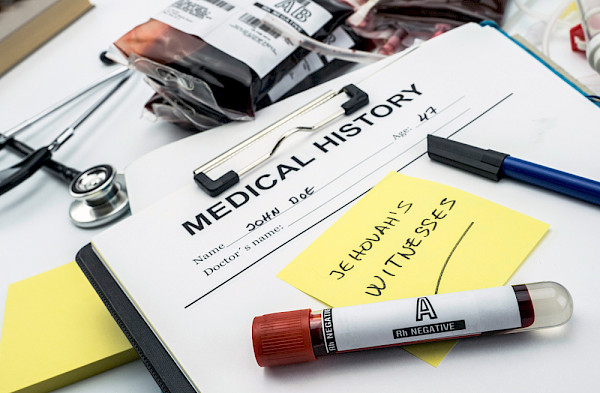
Bloodless Treatment and Alternatives
Though they reject transfusions, Jehovah’s Witnesses do not reject all form of modern medicine. They frequently seek sophisticated bloodless treatments, and many hospitals worldwide now offer alternatives like:
- Blood conservation techniques
- Cell salvage (for some members)
- Medication to boost red blood cell production
- Meticulous surgical techniques to minimize blood loss
These alternatives can work well in some cases, but in others, especially emergencies or certain cancer treatments, transfusion remains the safest and most effective option.
This is why doctors sometimes struggle with this religious dilemma. They want to save a life, but they must also respect a competent adult’s right to refuse treatment.
Do All Jehovah Witnesses Reject Blood Transfusion?
The Aunty Esther controversy has brought this question into focus. Some Jehovah’s Witnesses admit that seeing family members die while upholding the faith has made them question their beliefs.

YOU MIGHT LIKE: TikTok Bans Late-Night LIVE in Nigeria: Here’s Why Users Are Angry
For staunch Jehovah’s Witnesses, refusing blood is an act of obedience to God, one they believe will honor Him even if the outcome is uncertain.
To them, maintaining spiritual integrity matters more than prolonging biological life through a procedure they view as forbidden. For non-witnesses, this feels like a needless waste of human life as medical advances are meant to preserve life.

About The Author