



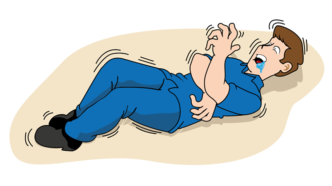
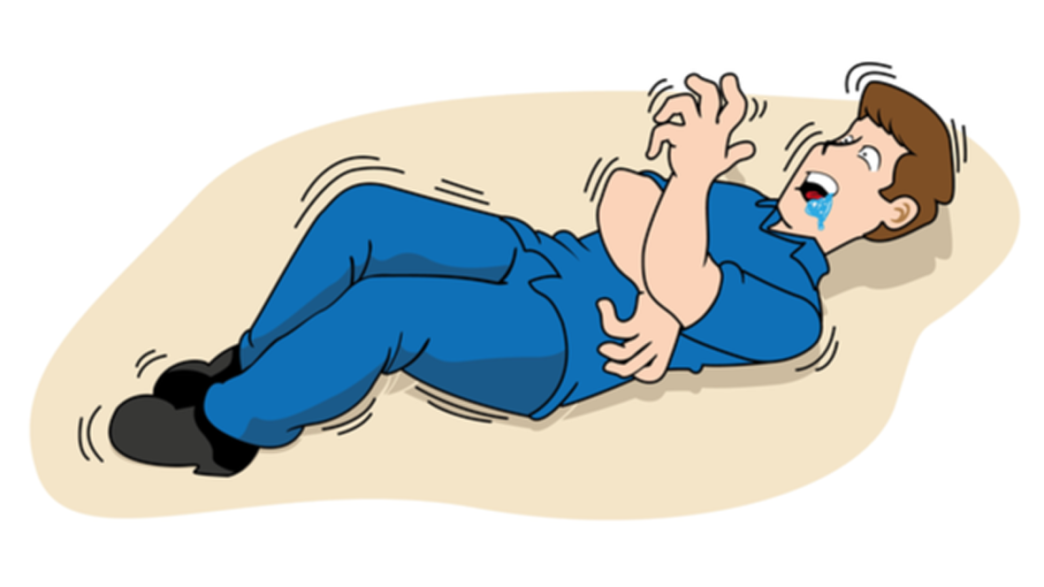
Epilepsy remains widely misunderstood. In many cases, the greatest harm does not come from seizures themselves but from stigma, fear, and misinformation, which continue to isolate people who should instead receive care, support, and understanding.
Today, 9 February 2026, marks International Epilepsy Day, a global awareness initiative led by the International Bureau for Epilepsy (IBE) and the International League Against Epilepsy (ILAE).
The day promotes education, inclusion, and advocacy for more than 50 million people worldwide living with epilepsy. It also creates space for conversations about the condition and the challenges people face every day. 
What Is Epilepsy?
Epilepsy is a neurological condition caused by abnormal electrical activity in the brain. A person is diagnosed with epilepsy when they experience recurrent seizures, meaning seizures that happen repeatedly over time.
Epilepsy is
- Not a curse
- Not contagious
- Not a spiritual or supernatural attack
Children and adults with epilepsy go to school, work, build relationships, raise families, and live full lives.
What Causes Epilepsy?
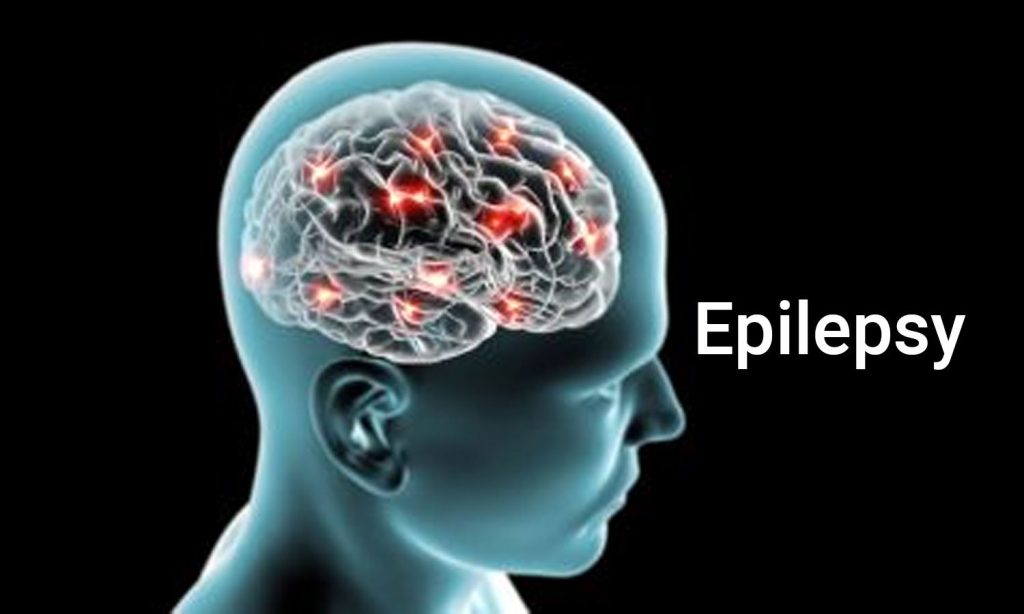
Epilepsy has many possible causes, and in some cases, the exact cause is unknown. Common causes include:
- Genetic factors
- Brain injury or trauma
- Complications during birth
- Brain infections or illnesses
- Stroke or tumours
Epilepsy can also be genetic, meaning it can be passed from parents to children, but not all epilepsy is inherited.
Is Epilepsy Treatable?
About 70 percent of people with epilepsy are able to successfully manage epilepsy seizures with medication and certain types of surgery, but it’s important to remember that epilepsy can’t be cured and that there’s always a risk of having another seizure.
Common Myths About Epilepsy
- Epilepsy is caused by witchcraft or curses—False
- Epilepsy is contagious—False
- People with epilepsy cannot live normal lives—False
- You can swallow your tongue during a seizure—False
- Epilepsy is a mental illness—False
What Seizures Can Look Like
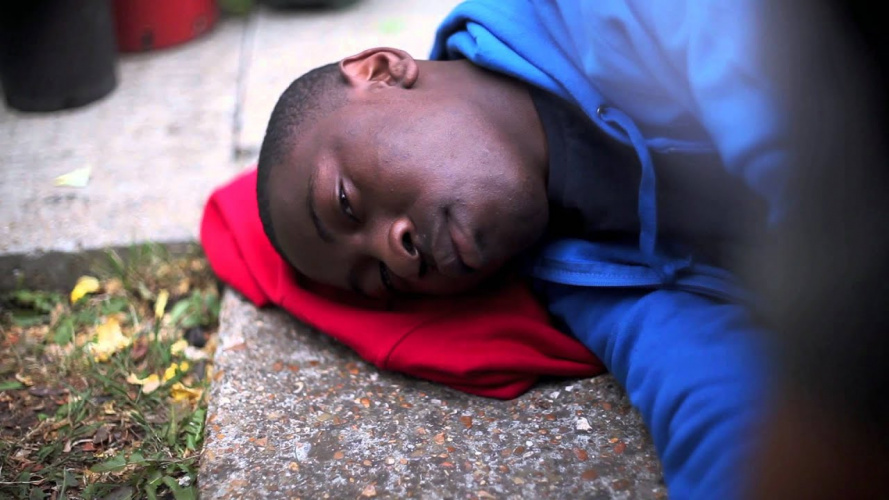
Not every seizure involves convulsions, and seizures do not all look the same. They may involve:
- Sudden jerking movements
- Collapsing or falling
- Staring blankly
- Lip-smacking or repeated movements
- Brief loss of awareness
How to Help Someone Having a Seizure
During a Seizure:
- Stay calm
- Do not hold them down
- Do not put anything in their mouth
- Do not pour water on them
- Do not try to wake them
- Move sharp or dangerous objects away
- Place something soft under their head
- Time the seizure
- Lay them on their side if possible
International Epilepsy Day exists to increase public understanding, challenge stigma and discrimination, and advocate for better healthcare, education, and employment access.
About The Author