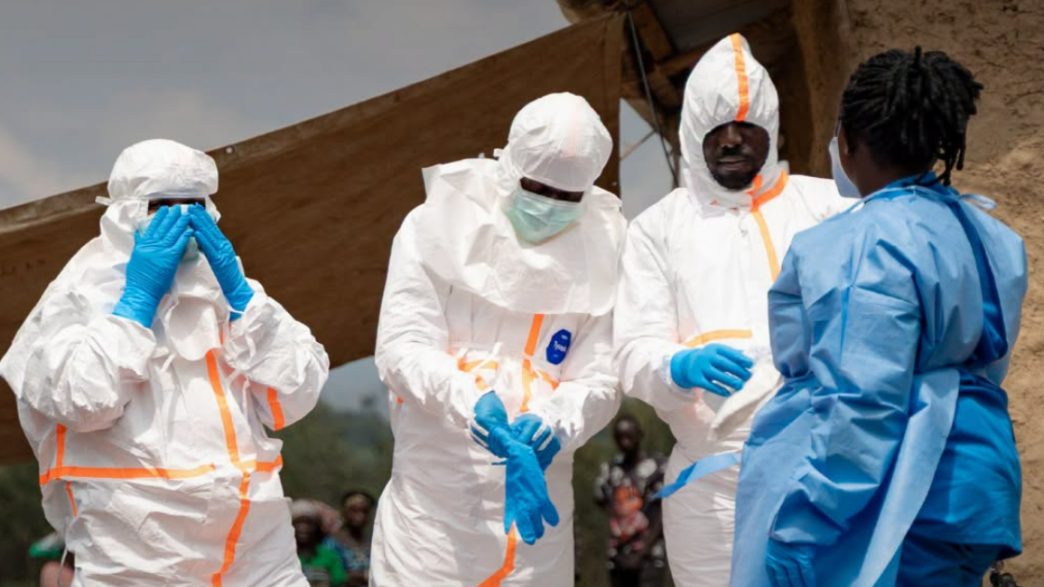
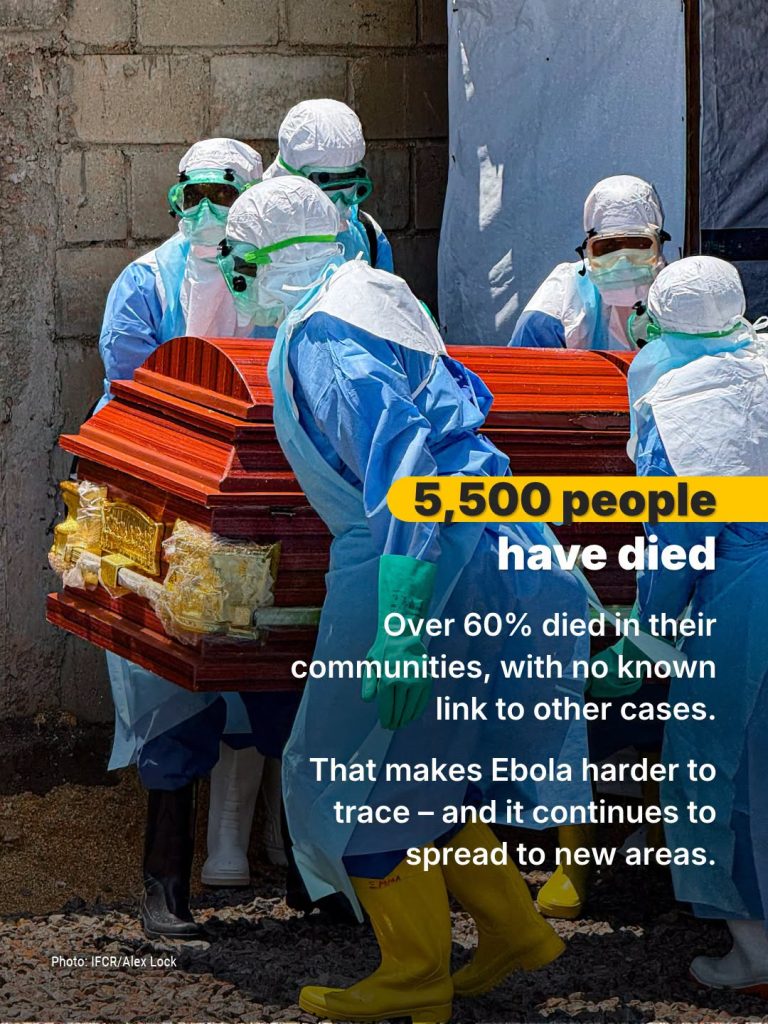
An Ebola outbreak in the Democratic Republic of Congo (DR Congo) is raising fresh concerns about public health security across Africa, with more than 11,000 confirmed cases and over 5,500 deaths recorded. Although health authorities have made progress in containing the disease, the outbreak continues to spread, exposing weaknesses in healthcare systems and highlighting the challenges of responding to infectious diseases across national borders.
For Nigeria, the situation is particularly concerning. The country confirmed an imported case of Ebola in October 2026, becoming one of several African nations affected by the outbreak. Although the patient has since recovered and authorities completed monitoring all identified contacts, the incident offers a reminder that infectious diseases rarely respect international borders.
As the fight against Ebola continues, here is what Nigerians and other Africans should know about the outbreak, the response efforts and the lessons for the continent. 
Ebola outbreak in DR Congo: What are the numbers?
The current outbreak began on May 15, 2026, in the Democratic Republic of Congo and involves the Bundibugyo strain of the Ebola virus.
According to the European Centre for Disease Prevention and Control (ECDC), DR Congo had recorded 11,376 confirmed cases and 5,568 deaths as of November 14. This represents a case fatality ratio of approximately 49%.
The outbreak has affected eight provinces and 67 health zones, with Ituri and North Kivu among the areas experiencing significant transmission.
The figures make it the second-largest Ebola outbreak recorded globally, behind the 2014–2016 West African epidemic, which infected more than 28,600 people and killed over 11,000.
The World Health Organisation (WHO) says the current outbreak continues to generate between 400 and 500 new cases weekly, despite progress in some of the initial hotspots.
SEE ALSO: Ebola Outbreak Spreads in Congo as Nigeria Goes on High Alert
Nigeria’s Ebola case: How close did the outbreak get?
On October 20, 2026, Nigeria confirmed an imported case of Bundibugyo virus disease in the Federal Capital Territory, Abuja.
The patient, a woman who had recently travelled from Uganda, developed symptoms on October 7 and sought medical attention at a private health facility in Abuja on October 11. Laboratory tests subsequently confirmed the infection.
Health authorities immediately activated the national incident management system, isolated the patient and began tracing people who might have come into contact with her.
The response identified 62 contacts. According to the ECDC, the patient was medically evacuated to Switzerland, where she was discharged from hospital on November 11. All 62 identified contacts in Nigeria also completed their monitoring on the same day.
Why is the Ebola outbreak in DR Congo difficult to contain?
Despite the deployment of international health workers and humanitarian organisations, several factors continue to complicate efforts to stop the disease, according to a WHO post on Facebook.
1. Conflict and insecurity
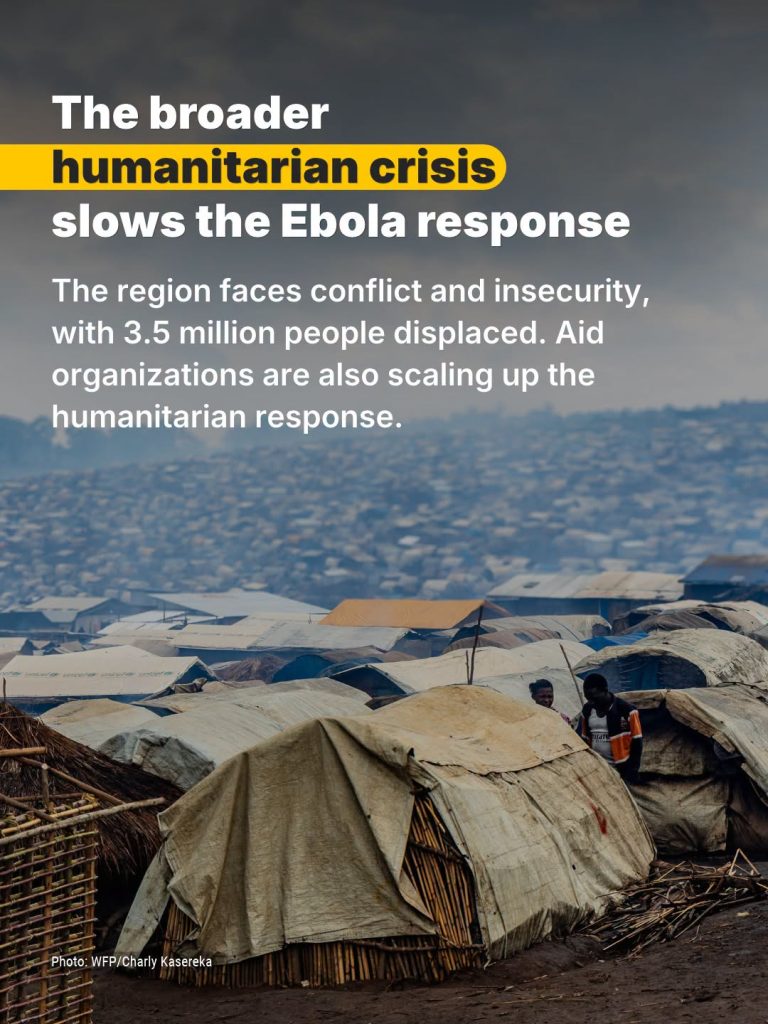
Armed conflict in eastern DR Congo has made it difficult for health workers to reach some affected communities. Attacks against medical personnel, surveillance teams and healthcare facilities have disrupted response operations.
WHO reported more than 80 attacks on healthcare since the outbreak began. Some incidents have also forced response teams to suspend activities and interrupted contact tracing.
READ ALSO: Why DR Congo and Rwanda Reopened Their Border Despite Ebola Outbreak
2. Weak healthcare access
Many people in affected communities struggle to access timely medical attention. WHO estimates that around two-thirds of confirmed deaths have occurred outside healthcare facilities, suggesting that many patients seek help too late.
3. Community distrust
Health workers must convince residents to report symptoms, cooperate with contact tracing and follow medical advice. However, distrust of outsiders and concerns about response operations can make community engagement difficult.
4. Shortages and funding problems
Despite billions of dollars in international pledges, resource shortages continue to affect the response. Reuters reported on November 17 that less than half of the $2.9 billion pledged had been disbursed. Delayed salaries have also triggered strikes among some frontline health workers.
Five ways health authorities are fighting Ebola
Stopping the Ebola outbreak in DR Congo requires more than isolating infected people. WHO and its partners have expanded several activities to interrupt transmission and protect vulnerable communities.
- Surveillance and contact tracing: Health workers identify suspected infections, investigate new cases and monitor people who have come into contact with infected individuals.
- Testing and early diagnosis: Laboratory capacity has expanded from two facilities to more than two dozen, helping health authorities confirm infections and respond more quickly.
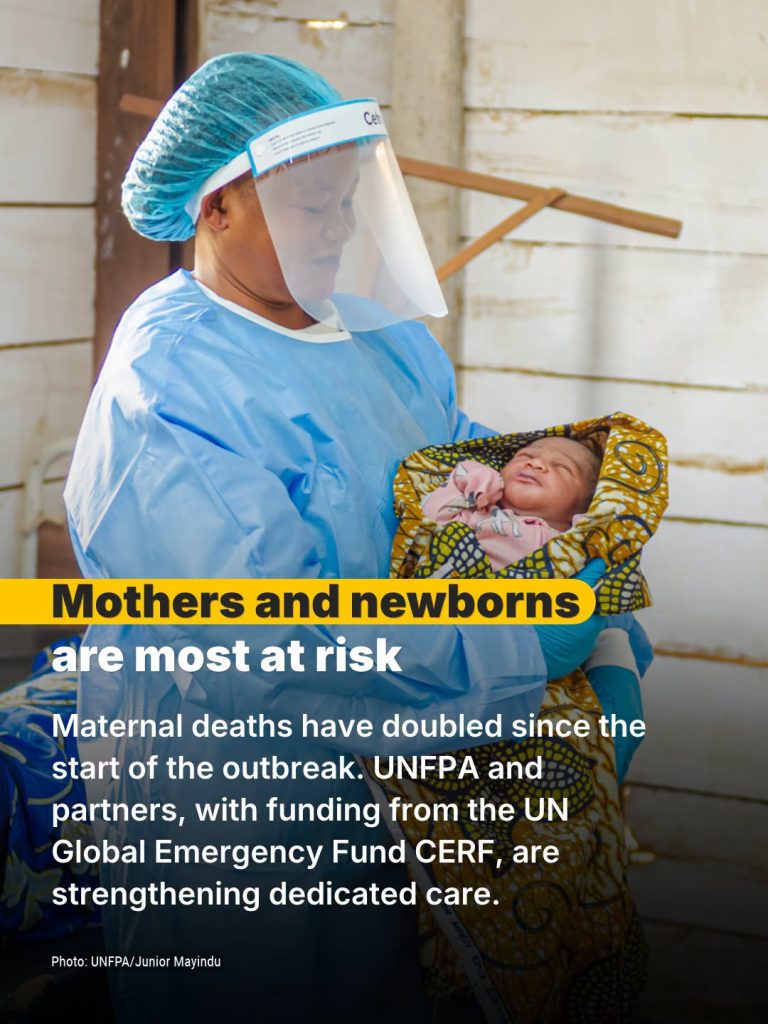
- Treatment and infection control: Treatment centres provide medical care while health workers use protective equipment and strict hygiene procedures to prevent further infections.
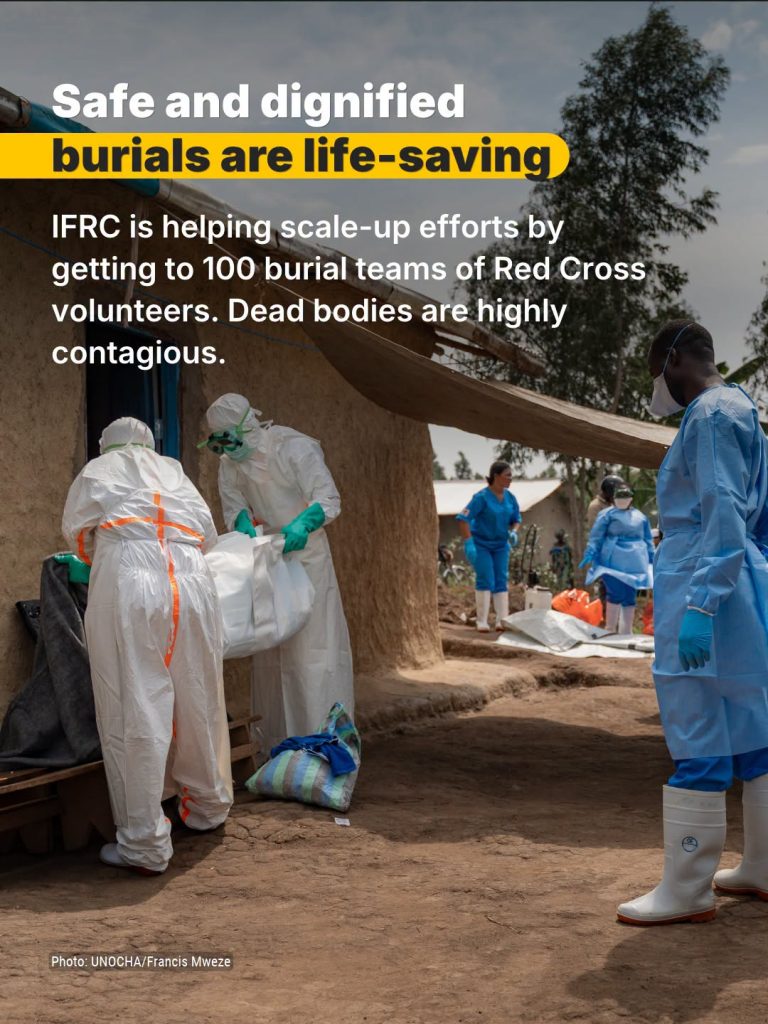
- Safe and dignified burials: Specially trained teams conduct burials safely while respecting local customs. This prevents mourners from coming into contact with infectious bodies.
- Community engagement: Health authorities work with local leaders, volunteers and residents to improve awareness, encourage early reporting and build trust in the response.
These efforts have helped bring several early outbreak hotspots under control, although transmission continues elsewhere.
What does the Ebola outbreak mean for Africa?
The outbreak is a reminder that public health security requires cooperation beyond individual countries.
Nigeria, Kenya and other African nations must maintain effective surveillance systems, strengthen laboratory capacity and ensure that healthcare workers can recognise and respond to suspected infections quickly.
There is also the question of vaccines. The current outbreak involves the Bundibugyo strain, against which the widely used Ervebo vaccine does not provide established protection. Researchers are therefore evaluating additional vaccine candidates specifically for this strain.
For Nigeria, the recent imported case offers an important lesson: preparedness must continue even after an immediate threat appears to have passed.
The fight against the Ebola outbreak in DR Congo is far from over. While international assistance and local response efforts have achieved meaningful progress, insecurity, funding gaps and limited healthcare access continue to put lives at risk.
Ultimately, containing the outbreak will require more than medical intervention. It will demand sustained funding, regional cooperation, community trust and healthcare systems capable of responding before the next infection crosses another border.
ALSO READ: Dr Ameyo Adadevoh: How She Helped Contain Nigeria’s 2014 Ebola Outbreak

About The Author