


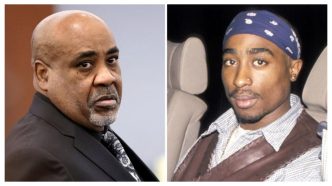
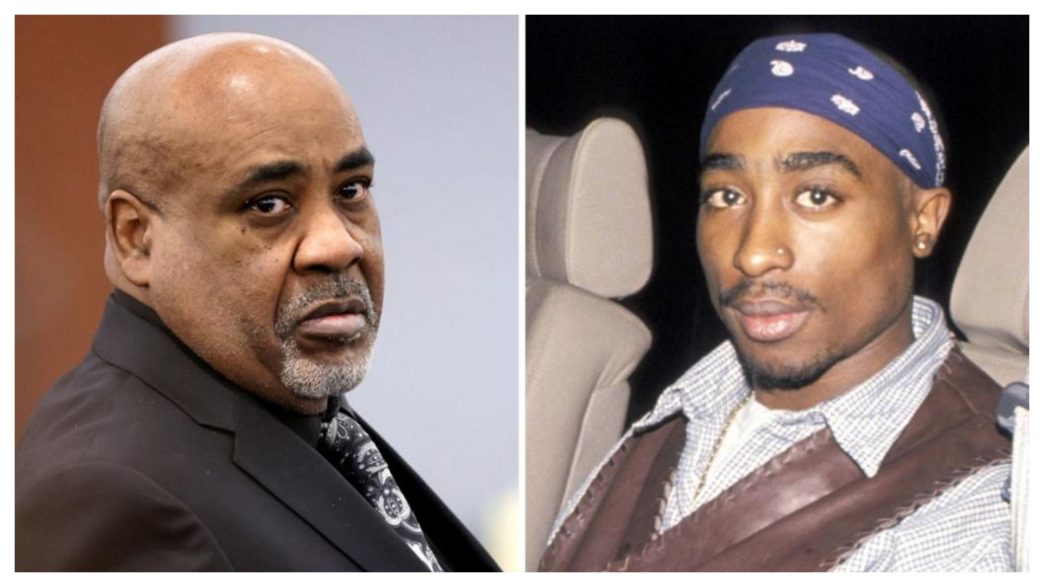
On Monday, a 12-person Las Vegas jury found Duane “Keffe D” Davis, 63, guilty of first-degree murder with the use of a deadly weapon in connection with the 1996 death of rap icon Tupac Shakur. The foreperson read the verdict clearly: “Count one, murder with use of a deadly weapon, guilty of first-degree murder with use of a deadly weapon.”
Davis now faces a maximum sentence of life imprisonment. The jury reached its decision after roughly three hours of deliberation.
What Happened on September 7, 1996
Tupac Shakur was 25 years old when he was shot on the night of September 7, 1996. He was shot after attending a Mike Tyson fight in Las Vegas and died six days later. He went on to sell more than 75 million records, He remains one of the most influential voices in rap music. 
His death became one of the most discussed unresolved murders in American history, a case entangled in the East Coast versus West Coast rivalry, shaped hip-hop in the mid-1990s, along with Blood and Crip gang politics, and nearly three decades of speculation, claims, and dead ends.
What Prosecutors Argued
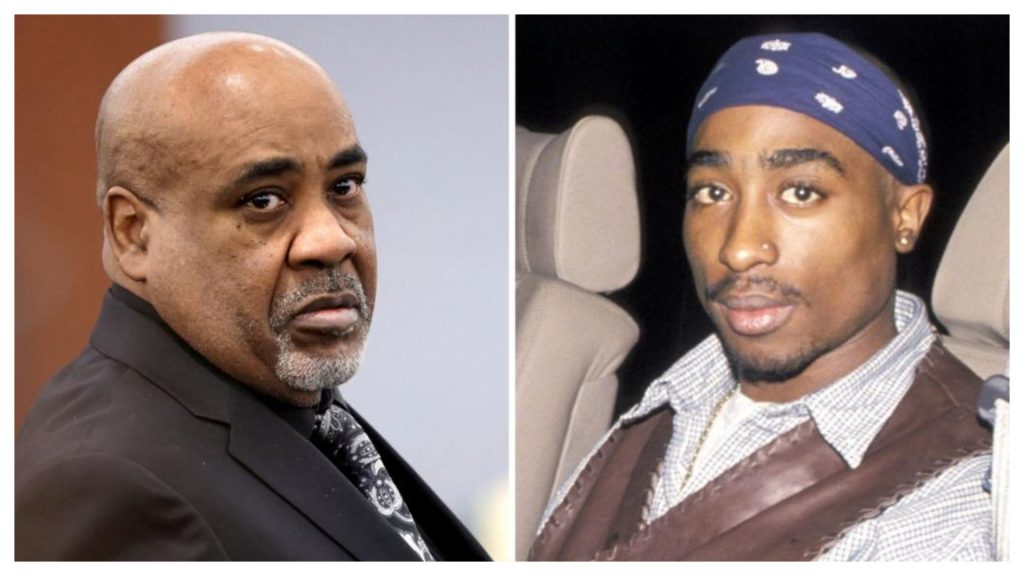
Prosecutors told the court that Davis orchestrated the shooting as retaliation. Earlier that evening, his nephew Orlando “Baby Lane” Anderson had been involved in a physical altercation with Tupac and his entourage in Las Vegas. Prosecutors described Davis as the person who supplied the firearm and issued the order for the drive-by shooting. He was the “shot caller” behind the attack, claiming the killing was carried out to promote a criminal gang.
Anderson, whom prosecutors said fired the fatal shots from the white Cadillac, died in an unrelated shooting in 2008. He had always denied any involvement in Shakur’s murder.
SEE ALSO: 30 Years After, Tupac Shakur’s Alleged Killer Faces Trial
The Evidence: His Own Words
The case against Davis heavily relied on statements he had made over the years.
Prosecutors presented evidence that Davis had repeatedly and publicly admitted to being inside the white Cadillac from which the shots were fired. The two pieces of evidence were central to the trial.
The first was a secret police interview from 2008 in which Davis discussed his role in Shakur’s death. This interview was originally conducted as part of an investigation into the killing of fellow rapper the Notorious B.I.G. The court ruled that Davis had voided a prior protective agreement with authorities by speaking publicly in his memoir. He allowed the 2008 interview to be used against him at trial.
The second was his 2019 memoir, Compton Street Legend, in which he further detailed his involvement in the events surrounding Shakur’s death. His decision to record his account in a published book became a key part of the prosecution’s case.
The Reaction
The verdict elicited strong and visible emotion both inside and outside the courtroom.
Inside, Shakur’s family was visibly moved. His sister was seen embracing a prosecutor after the verdict was announced. Other relatives sat in tears. Outside the courthouse, dedicated Tupac fans who had gathered to follow the proceedings were similarly emotional, some in tears, some cheering.
For a family and community that had waited nearly 30 years for justice, the word “guilty” carried immense significance.

About The Author