


While January 1st is widely recognized as New Year’s Day across much of the world, it is far from a universal tradition. In many countries, the start of a new year is guided by religious beliefs, seasonal cycles, or cultural history rather than the Gregorian calendar.
These different New Year celebrations highlight how diverse traditions are around the world. Below are seven countries that do not celebrate New Year on January 1st.
ALSO READ: Africa Isn’t Always Sunny – Here Are 7 Countries Where It Actually Snows 
7 Countries That Don’t Celebrate New Year on January 1st
1. Saudi Arabia
New Year Based on the Islamic Lunar Calendar
In Saudi Arabia, the New Year is determined by the Islamic (Hijri) calendar, which is purely lunar. The Islamic New Year begins with the sighting of the new moon, marking the start of Muharram, one of the four sacred months in Islam.
The Islamic calendar is about 11 days shorter than the Gregorian calendar, so the New Year is earlier each year.
2. Iran
Nowruz and the Solar Hijri Calendar
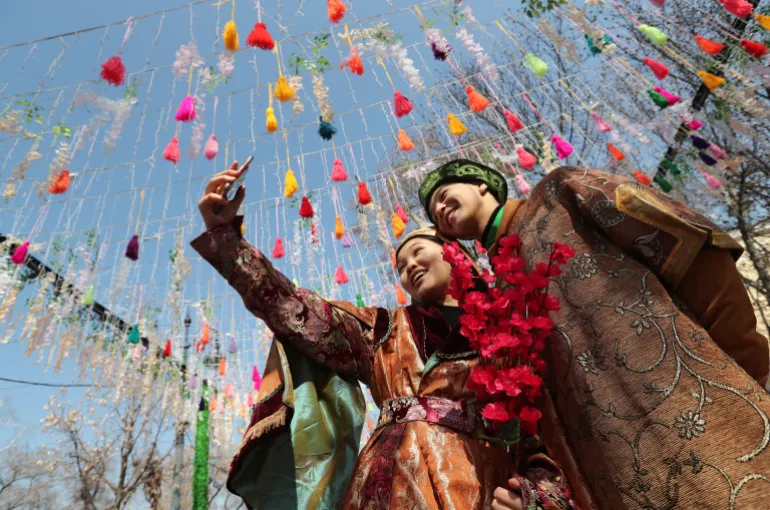
Iran celebrates its New Year through Nowruz, an ancient Persian festival rooted in the Iranian Solar Hijri calendar. Unlike lunar calendars, this system is based on the solar year and the spring equinox, symbolizing rebirth and renewal.
Nowruz usually falls on March 21 and marks the transition from the old year to the new.
Apart from Iran, Nowruz is also observed in countries with strong Persian cultural influence, including Afghanistan, Azerbaijan, Turkey, Uzbekistan, Tajikistan, and parts of India and Pakistan.
3. China
Lunar New Year and the Lunisolar Calendar
China celebrates the Lunar New Year, also known as the Spring Festival, using a lunisolar calendar that blends lunar phases with solar positioning.
The date changes annually, typically falling between January 21 and February 20. The festival is symbolic, focusing on family reunions, ancestral respect, and welcoming prosperity for the year ahead.
YOU MIGHT LIKE: 10 African Countries That Have Never Played at AFCON
4. India
Multiple Calendars, Multiple New Years
India does not have a single New Year date due to its cultural and religious diversity. Different communities follow different calendars like solar, lunar, or lunisolar, resulting in multiple New Year celebrations throughout the year.
While January 1st is officially recognized by the Indian government for administrative purposes, traditional New Year festivals vary by region and belief system.
5. Vietnam
Tet and the Lunar Calendar
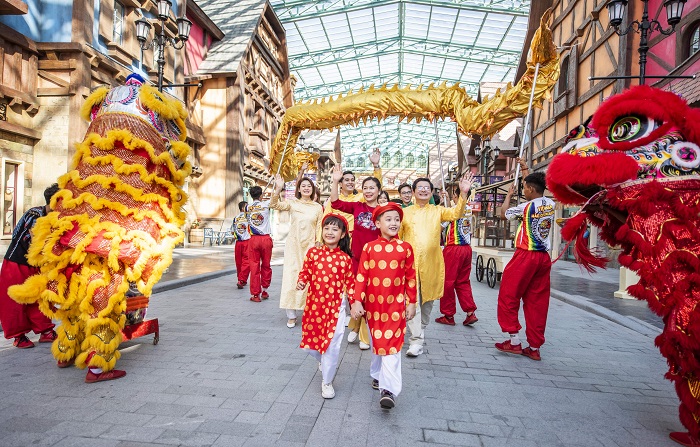
Vietnam celebrates the New Year through Tết Nguyên Đán, commonly known as Tet, which is based on the lunar calendar. Tet typically occurs one to two months after January 1st, usually between January 21 and February 9.
The holiday marks renewal, family unity, and respect for ancestors, making it the most important celebration in Vietnamese culture.
6. Bangladesh
Pohela Boishakh and the Bengali Calendar
Bangladesh celebrates its New Year on April 14, known as Pohela Boishakh. This date marks the first day of the Bengali calendar, which is primarily solar-based.
The celebration is cultural rather than religious, emphasizing fresh beginnings, traditional music, food, and colorful festivities. Pohela Boishakh is also celebrated in parts of India with strong Bengali heritage.
7. North and South Korea
Seollal and the Lunisolar Tradition
Both North and South Korea continue to observe the traditional New Year called Seollal, based on the lunisolar calendar. The date usually falls in January or February, on the second new moon after the winter solstice.
Seollal is a major three-day family holiday, centered on ancestral rites, traditional food, and cultural rituals. Despite modernization, this celebration remains a vital part of Korean identity.
About The Author