


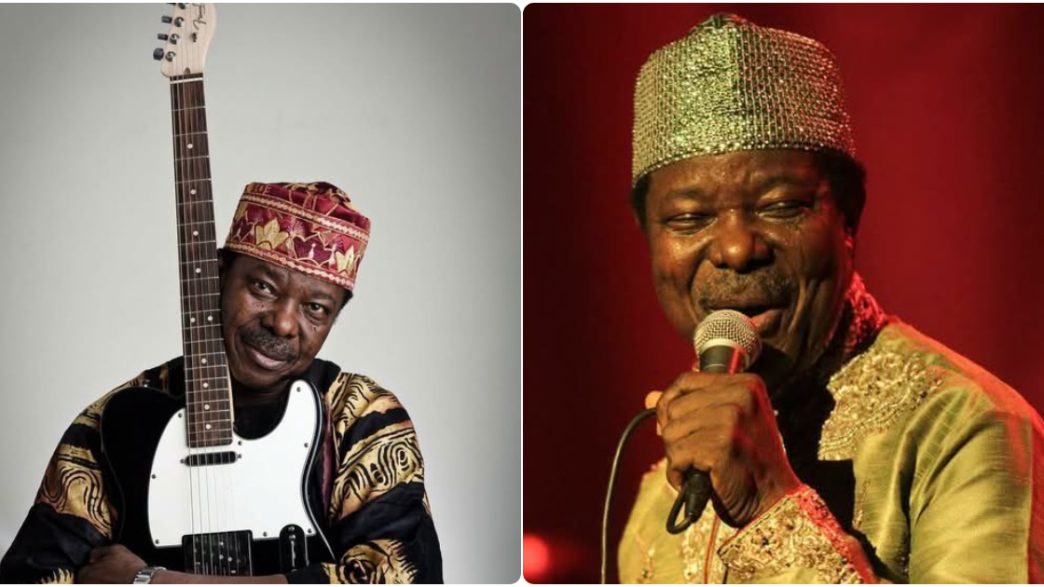
King Sunny Ade (KSA), one of Nigeria’s most celebrated musicians, turns 80 today.
Born Sunday Ishola Adeniyi Adegeye on September 22, 1946, in Osogbo, Osun State, KSA has enjoyed a career spanning more than six decades.
He transformed juju music through his mastery of the guitar, percussion and traditional Yoruba sounds. More importantly, he took the genre beyond Nigeria and introduced it to audiences across Europe and North America. 
His journey also carries an unusual story. He was born into royalty, yet chose a career where he would entertain others. That decision eventually made him one of Africa’s most influential musicians.
Born Into Two Royal Families
Sunny Ade was born into a family with strong royal connections on both sides. His mother, Maria Adegeye, came from the Adesida royal dynasty of Akure while his father, Prince Samuel Adeniyi Adegeye, hailed from a royal family in Ondo Town in Ondo State.
Therefore, Sunny Ade inherited royal connections from both sides of his family. However, his privileged background did not determine the path he eventually chose.
Instead, music became his passion from an early age. His father worked as a church organist and belonged to a music-loving family. That environment exposed the young Ade to musical coordination and performance. His Christian upbringing reflects in his music as some could pass for gospel music. Till date, many churches sing his songs during their services.
Those early experiences later proved valuable as he developed his own sound.
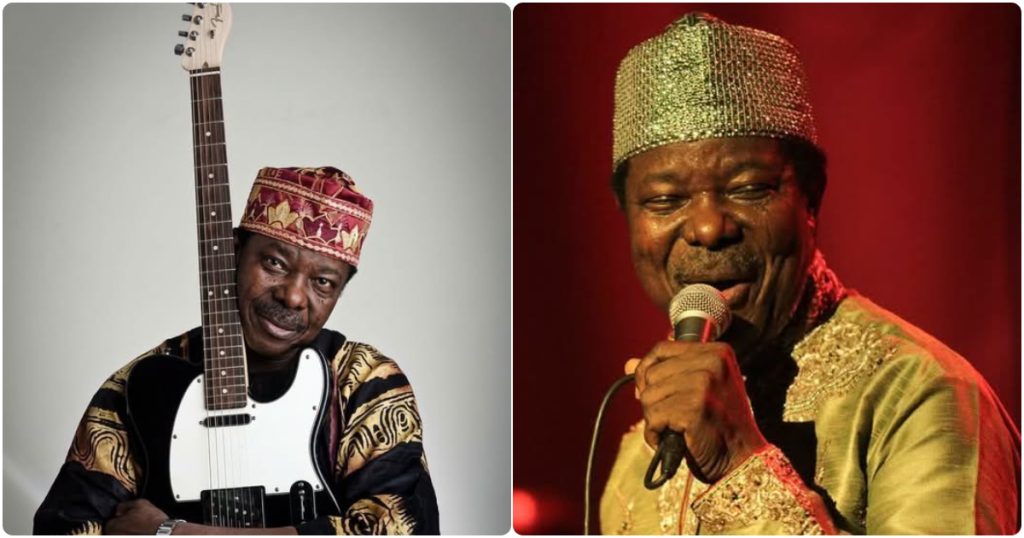
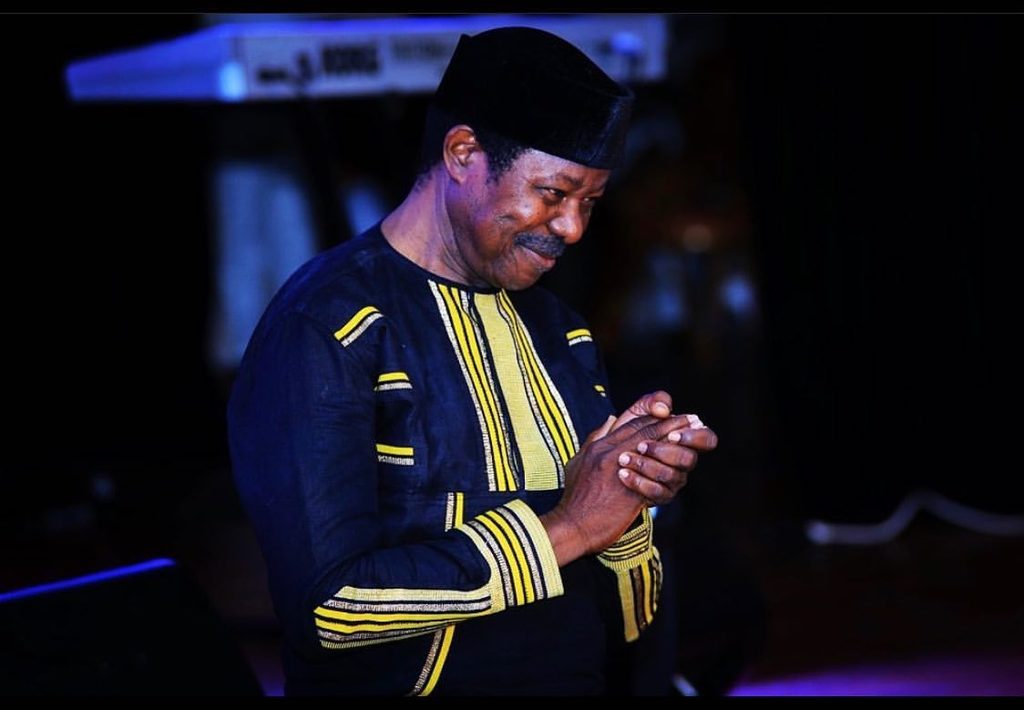
His energetic dancing also became an important part of his performances. Photo: IG/ iamkingsunnyade
How Sunny Ade Found His Musical Voice
Sunny Ade attended St Charles Grammar School in Osogbo between 1960 and 1963. He was a member of the school choir.
However, he left school while in Form Four and moved to Lagos. He wanted to pursue music despite knowing that his parents might not support the decision. His royal background made the decision even more difficult.
In traditional Yoruba society, royal family members were expected to maintain a certain social standing. They were often expected to receive praise rather than perform for others.
Sunny Ade chose a different path.
He left home and headed for Lagos, where he began building his musical career. There, he developed his skills as a guitarist and percussionist. He also worked alongside some of the biggest musicians of his generation.
Learning From Nigeria’s Musical Greats
Lagos gave the young musician the opportunity to learn from established performers. He worked with Moses Olaiya Adejumo, before he ventured into acting and became popularly known as Baba Sala. Ade gained experience with Olaiya’s Federal Rhythm Dandies highlife band. He also drew inspiration from renowned juju musician Tunde Nightingale.
These experiences helped him understand the possibilities within Nigerian popular music.
In 1963, Sunny Ade formed his first band, Sunny Adé and His High Society Band. Two years later, he renamed the group The Green Spots. As his career developed, the band went through further transformations. It eventually became known as The African Beats and later Golden Mercury.
Each phase reflected his growing ambition and musical experimentation.
READ ALSO: 9 Nigerian Singers Whose Explosive Label Feuds Rocked the Music Industry
The Master Guitarist Who Changed Juju
Sunny Ade did more than perform juju music. He helped reshape the genre. He introduced new sounds, arrangements and performance techniques that expanded its possibilities.
His guitar playing became one of his strongest trademarks. His mastery of the guitar earned him recognition as an exceptional instrumentalist.
His energetic dancing also became an important part of his performances. Before him, juju musicians were sitting while performing. He introduced the stagecraft, dancing to the genre.
Yet, his music went beyond entertainment. He used juju to discuss social issues and preserve Yoruba cultural identity. His songs also promoted civic consciousness, national unity and moral values.
Juju itself draws from several elements of Yoruba musical culture. The genre combines intricate rhythms, percussion, guitars, talking drums and call-and-response patterns. It also carries Yoruba oral traditions, praise poetry and social commentary. Sunny Ade understood these traditions while giving them a modern expression.
That balance helped him connect traditional Nigerian music with contemporary audiences.

King Sunny Ade at 80: From Ondo to the Global Stage
Sunny Ade’s international breakthrough came in the early 1980s. In 1982, he released Juju Music through Island Records. The album attracted considerable attention in Europe and North America.
His international profile grew rapidly, particularly after the death of reggae legend Bob Marley. The New York Times later described him as “one of the world’s great band leaders”. Another publication praised his music as “a breath of fresh air”.
His 1983 album, Synchro System, earned him his first Grammy nomination. The nomination came in the ethnic or traditional folk recording category. It marked a significant moment for Nigerian music on the global stage.
He followed it with Aura in 1984. Together, the three Island Records albums strengthened his international reputation.
In 1987, Rykodisc released a recording from one of his live concerts in Seattle. Sunny Ade later appointed American manager Andrew Frankel.
Frankel helped negotiate a three-album deal with Mesa Records in the United States.
Another Grammy Nomination and Academic Recognition
In 1988, Sunny Ade released Odu under the Mesa Records label. The album explored traditional Yoruba songs and further highlighted his cultural roots. It also earned him another Grammy nomination. That achievement further established his place in African music history.
Beyond music, Sunny Ade also became involved in academia. Despite leaving secondary school before completing his education, he later received academic recognition.
In 2009, he was appointed a visiting professor of music at Obafemi Awolowo University, Ile-Ife. The appointment reflected the depth of his contribution to Nigerian music.
Years earlier, in 1977, the late Alaafin of Oyo, Oba Lamidi Olayiwola Adeyemi III, crowned him King of Music. The title became another symbol of his influence and longevity.
Sunny Ade was also inducted into the Afropop Hall of Fame. The honour came at the Brooklyn African Festival in the United States. He dedicated the recognition to the late Michael Jackson.
KSA’s Journey Into Acting
Sunny Ade has also enjoyed a successful relationship with film and television. His music appeared in several Nigerian and international productions.
Locally, he featured in the popular 1980s Yoruba television series Fopomoyo. The series was written and produced by the late filmmaker Jimoh Aliu.
His music has also appeared in contemporary Nigerian films. These include Mo Abudu’s Fifty and Toyin Abraham’s Alakada: Bad and Boujee.
His international screen connections began decades earlier. His music featured in Breathless, the 1983 American remake starring Richard Gere. His tracks also appeared on the soundtrack of One More Saturday Night.
In 1987, Sunny Ade appeared on screen in Robert Altman’s comedy film O.C. and Stiggs. He also contributed music to the production.
Decades later, his music continued to find new audiences through international cinema. His music featured in the 2021 crime drama Stillwater, starring Matt Damon.
READ MORE: AY Reveals Nigerian Singers Charge ₦200m to Perform at Comedy Shows
King Sunny Ade: Eight Decades of Musical Influence
At 80, King Sunny Ade remains an important figure in Nigerian music. His career represents a remarkable journey from Osogbo to the international stage.
He embraced traditional Yoruba music while constantly searching for new possibilities. He also demonstrated that African music could command attention beyond the continent.
His guitar work, elaborate stage performances and cultural storytelling helped define his era. However, his influence extends beyond records and performances.
He helped preserve aspects of Yoruba culture while presenting them to younger generations. He also opened doors for Nigerian musicians seeking international recognition.
After more than 60 years in music, his legacy continues to inspire artists. King Sunny Ade has therefore become more than a juju musician. He represents a bridge between tradition and modernity.
His journey proves that musical greatness can emerge from unexpected choices. For a royal-born child who left home to pursue music, the journey has been extraordinary.
Despite his age, KSA still performs at gigs and big events. Though he takes things easier, he still dances, coordinates his band. He is busy week in week out.
At 80, the King of Juju continues to stand as one of Nigeria’s enduring musical icons.

About The Author