



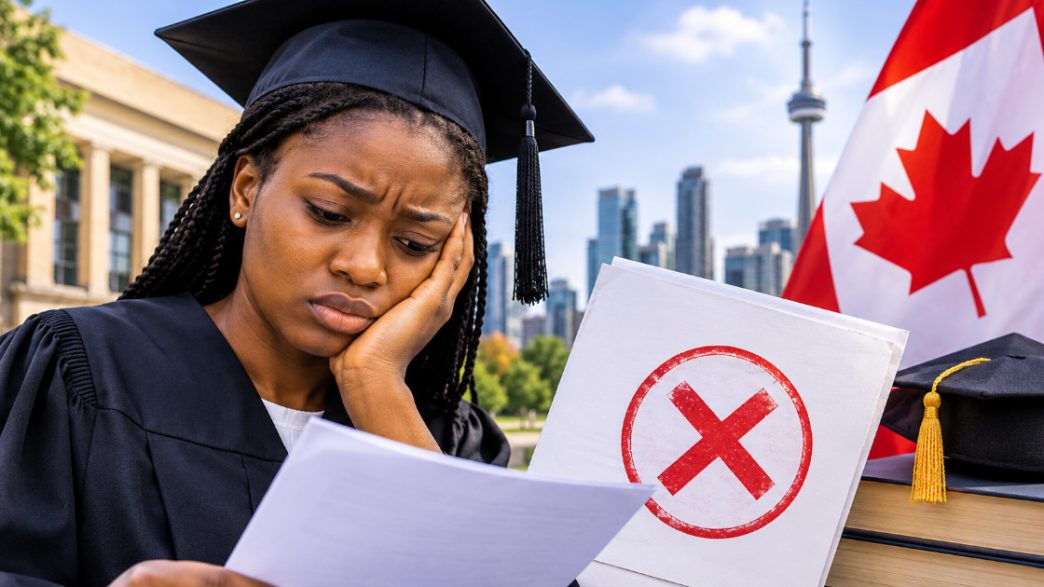
The International Credential Assessment Service of Canada (ICAS) has stopped accepting academic qualifications from four Nigerian universities: Imo State University (IMSU), Federal University of Technology Owerri (FUTO), Enugu State University of Science and Technology (ESUT), and the University of Benin (UNIBEN).
The announcement has triggered concerns among graduates who depend on international credential evaluations for immigration, further education and professional opportunities. Because for Nigerian graduates dreaming of studying, working or settling in Canada, a university degree has always been an important part of the journey.
It has also revived an uncomfortable conversation about academic integrity in Nigeria and whether the country’s universities are doing enough to protect the international credibility of their qualifications. 
But why would a Canadian assessment body take such a decision, and what does it say about the relationship between Canada and Nigerian universities?
Why has Canada stopped evaluating degrees from these Nigerian universities?
The first thing to understand is that ICAS has not publicly explained why it singled out the four institutions.
Its notice states that it is no longer accepting applications involving studies completed at these universities. It does not specifically mention certificate forgery, transcript manipulation, accreditation problems or academic misconduct. Although academic fraud has become part of the public conversation, there is no confirmed evidence establishing it as the reason behind ICAS’s decision.
Nevertheless, the development raises important questions about how international credential assessment works.
SEE ALSO: Canada Immigration: These Fake Documents Can Get You 5-Year Ban
1. Academic fraud can destroy institutional credibility
One possible explanation being discussed is the persistent concern about academic integrity in Nigeria’s university system.
Allegations of examination malpractice, grade manipulation, forged certificates and compromised academic processes have repeatedly raised questions about the reliability of Nigerian academic records. International assessment organisations must establish that qualifications are genuine and that universities maintain credible academic standards.
A university’s reputation therefore matters beyond its lecture halls. When confidence in its academic records deteriorates, legitimate graduates can struggle to convince international institutions and employers that their qualifications deserve recognition.
Education technologist Alex Onyia has warned that innocent graduates could suffer the consequences of alleged academic irregularities. He has also raised concerns about the possibility of other assessment organisations, particularly WES, following ICAS’s example.
However, these concerns should not be mistaken for an official explanation from ICAS.
2. Transcript verification could be a major problem
A degree certificate alone does not tell an international evaluator everything it needs to know.
Organisations such as ICAS and World Education Services (WES) examine academic transcripts and supporting documents to establish the authenticity of qualifications. This process depends heavily on universities responding to verification requests and providing accurate information through recognised channels.
WES, for instance, explains that it contacts issuing institutions when it needs to verify academic documents. It also acknowledges that verification can take several weeks, depending on how quickly institutions respond.
If universities struggle with record-keeping, slow administrative processes or unreliable verification systems, graduates can find themselves paying for institutional weaknesses.
3. Why WES matters in the Canada Nigerian universities controversy
ICAS is not the only organisation that evaluates foreign academic qualifications for Canadian immigration and education purposes. WES is another major provider, and many Nigerian graduates use it to obtain Educational Credential Assessments (ECAs). This explains why Onyia’s warning about WES potentially adopting similar restrictions has attracted attention.
However, there is an important distinction: ICAS has confirmed its restriction, but a blanket WES suspension covering all four universities has not been confirmed.
WES’s existing policies allow it to reject documents from particular institutions where verification presents problems. But that does not establish that it has imposed the same restrictions as ICAS.
If more assessment organisations begin questioning qualifications from Nigerian institutions, the consequences could extend well beyond the four universities.
READ ALSO: Things to Consider Before Accepting a Job Offer
4. How the restrictions could affect Nigerian graduates
The implications go beyond having another frustrating immigration document to sort out.
Graduates who need an ECA for Canada’s Express Entry immigration system may face delays or have to find another assessment provider. Those seeking postgraduate admission, employment or professional licensing could also encounter difficulties where independent credential assessments are required.
Canada recognises several designated organisations for immigration-related educational assessments, including ICAS, WES, the Comparative Education Service (CES), IQAS and ICES.
However, switching providers is not necessarily a guaranteed solution. Each organisation has its own assessment procedures and institutional requirements. Graduates should confirm whether an alternative provider will assess their qualifications before paying application fees.
Importantly, ICAS’s decision does not invalidate degrees awarded by the four universities. It means the organisation will not currently assess those qualifications.
5. Nigerian universities must take responsibility
This development should serve as a wake-up call for Nigerian universities.
Institutions need secure digital transcript systems, reliable academic databases, transparent examination procedures and efficient verification channels. They must also investigate allegations of academic misconduct and hold individuals accountable where wrongdoing occurs.
The Federal Government and university regulators must strengthen oversight and ensure that institutions maintain standards international assessment organisations can independently verify.
Onyia’s warning should extend beyond the four affected universities. Other institutions should examine their academic processes before similar problems emerge.
Your degree is not worthless, but institutional reputation matters
The controversy surrounding Canada and Nigerian universities highlights an uncomfortable reality: earning a degree and getting that degree recognised internationally are two different things.
A student can spend four or five years attending lectures, writing examinations and earning a qualification legitimately, only to encounter difficulties because the institution issuing the certificate cannot satisfy an international evaluator’s requirements. That is particularly painful for graduates who have invested their savings in immigration applications or postgraduate plans.
ICAS needs to explain its decision, while the affected universities should engage the organisation and establish what they need to do to restore confidence in their academic records.
Ultimately, this is bigger than four universities losing access to one assessment service. It is about whether Nigeria can protect the international credibility of its education system without making innocent graduates pay for institutional failures.
ALSO READ: WAEC 2027 Registration: Fee, Dates and What the New Hybrid Exam Means for Students

About The Author