Nigeria is still battling the spread of Lassa fever through the Nigeria Centre for Disease Control and Prevention (NCDC). 99 deaths have been recorded in the first eight weeks of 2026 alone,
In comparison to the cases recorded last year, the 99 deaths had a Case Fatality Rate (CFR) of 24.5%, which is higher than the CFR for the same period in 2025 (18.8%).
So far in 2026, 18 states have recorded at least one confirmed case across 67 Local Government Areas. 
In week eight, Bauchi, Ondo,Taraba, Edo, and Benue reported 84% of the 404 confirmed Lassa fever cases, while 13 other states reported 16%. Of the 84% confirmed cases, Bauchi reported 30%, Ondo 21%, Taraba 19%, Edo 8%, and Benue 6%.
SEE ALSO: Lassa Fever in Nigeria: 5 Ways to Stay Safe

Lassa fever in Nigeria according to the NCDC has affected male and females between the ages of 21 and 30 years. It states that males are slightly more affected than females. In this dataset, for every 10 males affected, eight females are affected.
The number of affected persons has increased, with 10 new healthcare workers reported infected in week eight alone. The NCDC has advised that doctors especially in the high-burden states, to be extra careful with patients with fever. It also advises not to overlook other related symptoms.
Through the NCDC and the National Lassa Fever Technical Working Group (LF-TWG), Nigeria has been managing the Lassa Fever outbreak. It has been distributing medical supplies, activating emergency operations centres and strengthening surveillance.
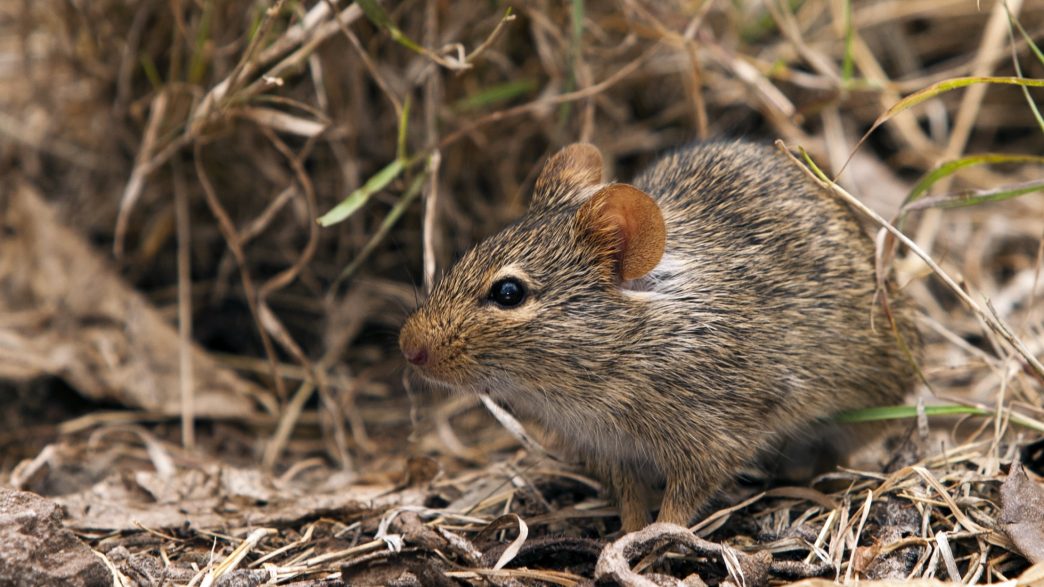
The government encourages Nigerians to also take preventive measures. Preventive measures include keeping their surroundings clean, storing food properly, and avoiding contact with rodents. People should seek immediate medical attention if they develop symptoms of the fever, to help reduce the spread and impact of the disease.

About The Author