


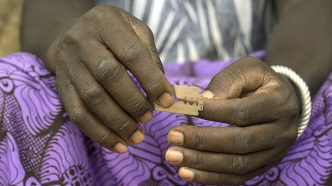
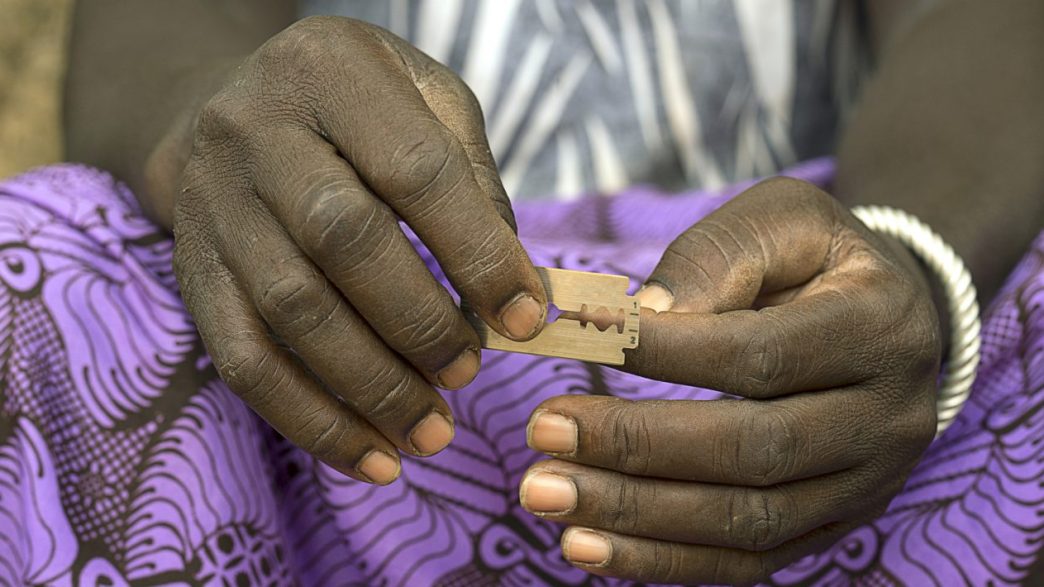
As circumcision is to males, so is Female Genital Mutilation (FGM). It is a process that involves the partial or total removal of the female external genitalia or other injury to the female genital organs for non-medical reasons.
The United Nations International Children’s Fund (UNICEF) says it is usually carried out on girls between infancy and age 15. It is regarded as a violation of girls’ and women’s rights to health, security, and dignity.
Unlike circumcision in males—which reduces the risk of Urinary Tract Infections (UTIs), genital herpes, and syphilis—FGM has no health benefits. Instead of preventing diseases, it leads to infections, long-term complications, and even death. 
SEE ALSO: Women Are Turning to This Traditional Method to Keep Their Breasts Perky
Female Genital Mutilation in Africa
You would expect that, as the world becomes more civilized and progressive, certain harmful cultural practices would have disappeared entirely. However, this is not the case with Female Genital Mutilation.
About 29 of the 54 countries in Africa still practice FGM. These countries include Benin, Cameroon, the Central African Republic, Chad, Côte d’Ivoire, the Democratic Republic of the Congo, Ghana, Guinea-Bissau, Kenya, Liberia, Malawi, Mauritania, Niger, Nigeria, Senegal, Tanzania, Togo, Uganda, Zambia, and Zimbabwe.
The continued practice of FGM in these regions is largely due to its deep cultural and traditional roots. In some communities, it is seen as a rite of passage or even a criterion for marriage and inheritance. Families who refuse to subject their daughters to the procedure may face stigma and exclusion, or their daughters may be considered unsuitable for marriage. Hence, many families feel pressured to conform despite growing awareness of the harmful effects of the practice.
SEE ALSO: 5 Countries That Imported White People
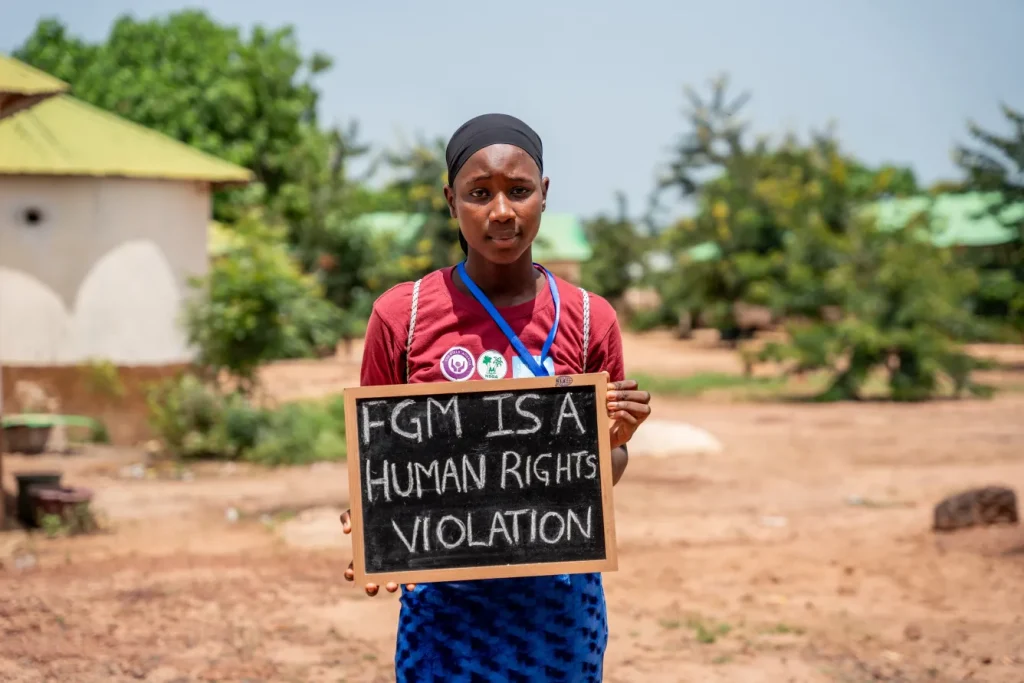
What FGM Does to Girls and Women
FGM can have severe and lifelong consequences for girls and women. The procedure often causes extreme pain, as it is frequently performed without anesthesia. Excessive bleeding is common due to the lack of involvement of trained medical personnel, and infections are almost inevitable. Many survivors also experience urinary problems, chronic pain, and complications during childbirth, making the long-term effects of FGM both physical and deeply harmful.
It does not stop at just physical pain. In some cases, it can lead to psychological trauma and infertility. It also violates the rights, dignity, and bodily autonomy of girls and women, leaving many to deal with emotional and mental distress long after the procedure has been carried out.
The government has made efforts to curb the menace called Female Genital Mutilation. However, it is not just for the government to do; it requires collective action, including from communities, families, and individuals. By raising awareness, supporting education for girls, and speaking out against harmful cultural practices, we can protect girls from FGM, thereby protecting their health, rights, and future.

About The Author