


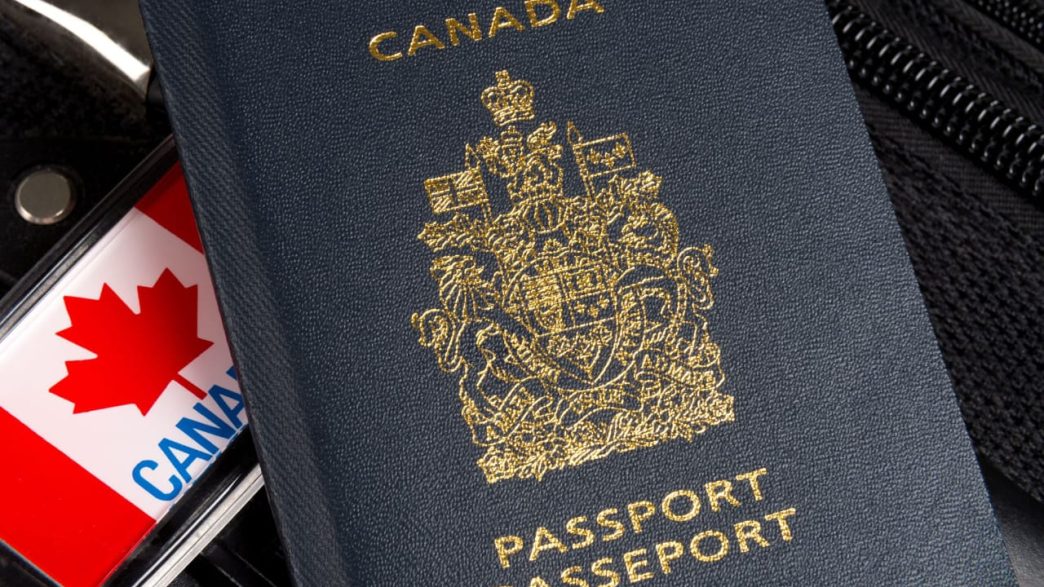
Dual citizenship is the legal status of being recognised as a citizen by two countries. This means that as a citizen of two countries, you get to have two passports, work and live in both countries, enjoy social benefits, pensions and pay taxes. People with dual citizenship are called bipatrides.
However, it is important to note that having two passports in some countries, like Austria, doesn’t mean dual citizenship. To acquire it, both countries must come to an agreement, acknowledging the rights and responsibilities of each citizen in the other. Some countries have lenient policies allowing dual citizenship, while others do not.
Benefits of Dual Citizenship With Canada
Holding dual citizenship as an African with Canada is one of those things you don’t fully appreciate until you have it. It gives you options, flexibility, and a sense of belonging in more than one place. 
First, travel becomes much easier. With two passports, you can move more freely between countries, avoid visa stress in many cases, and choose whichever passport gives you smoother entry depending on where you’re headed.
There’s also the freedom to live, work, and study in both countries. You don’t have to choose one home over the other.
Another big benefit is the economic opportunities in Canada. Dual citizenship makes it easier to own property, invest, open businesses, and access local markets both in Canada and in your home country. For entrepreneurs and professionals, it’s honestly a win-win.
Finally, life is unpredictable, and having legal status in two countries means more choices when it comes to safety, career moves, or long-term plans.
African Countries That Allow Dual Citizenship
Not all African countries allow for dual citizenship. Below is a list of African countries that do:
1. Nigeria
2. Algeria
3. Angola
4. Burkina Faso
5. Benin
6. Cape Verde
7. The Gambia
8. Sudan
9. South Africa
10. South Sudan
11. Tunisia
12. Zambia
13. Zimbabwe
In Nigeria, citizens by birth/descent can hold Canadian citizenship simultaneously but must enter Nigeria with the Nigerian passport. However, if Nigerian citizenship was acquired through naturalisation, they cannot hold dual citizenship with any country.
In South Africa, dual citizenship is allowed, but prior permission must be taken from the government to avoid losing the South African citizenship. The same applies to Egypt, but the difference is that citizens who have dual citizenship are advised to obtain authorisation to retain Egyptian citizenship.
ALSO READ: UK Increases Allowances for PhD Students to ₦40 million (£21,805)
Key Things to Know Before Applying
If you are a citizen of the above-mentioned African countries hoping to apply for a Canadian citizenship, here are a few things you should know:
Physical Presence Requirement
You need to have lived in Canada for at least 1,095 days (3 years out of the last 5 years) before you can apply for citizenship.
Income Tax Filing
You must have filed income taxes for at least three taxation years within the five years before applying.
Language and Knowledge Test
Persons aged 18 to 54 must prove proficiency in English or French and pass a Canadian test on its history, geography, and rights. This shows that you know about the country. Its history, values, and how things work.
Documentation and Travel
Things like your passport and travel history help prove where you have been and how long you stayed in Canada, so proper records should be kept.
Criminal and Background Check
Canada checks to be sure you don’t have serious criminal issues that could affect your application, so being on your best behaviour and avoiding crime will make the application process easier for you.
Dual citizenship laws aren’t one-size-fits-all, and they can change over time. Before making any decision, it’s advisable to check the most recent citizenship policies of both countries.

About The Author