



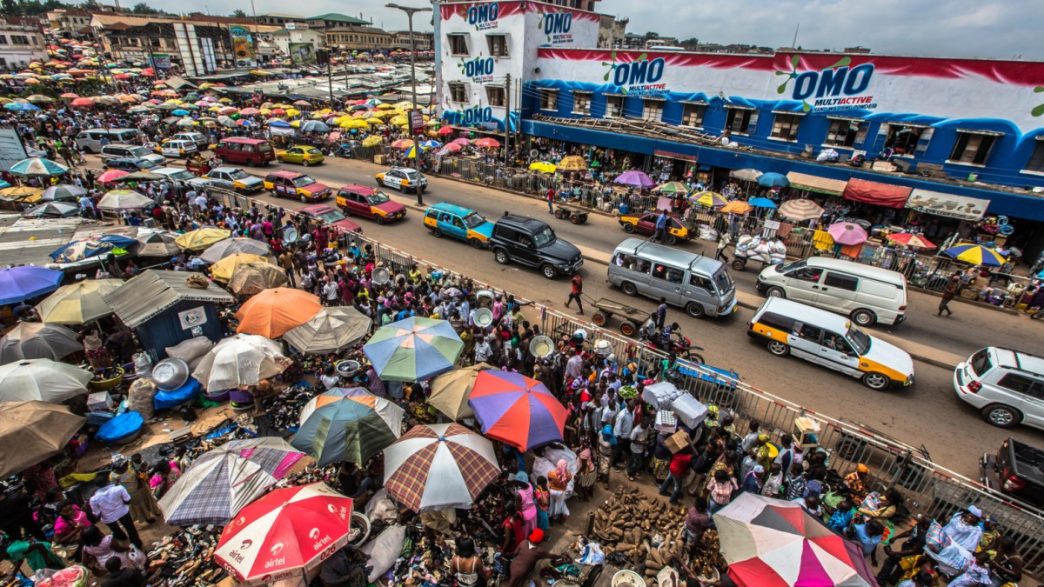
Africa’s biggest market is in Nigeria, and it is not just large by local standards.
Onitsha Main Market, located in Onitsha, Anambra State, is widely regarded as the biggest market in West Africa and arguably the largest in Africa by geographical spread and trade volume.
It has an estimated annual trade value exceeding $5 billion, and it stands as one of the most powerful commercial centres on the continent. 
History Of Onitsha Main Market
The origins of Onitsha Main Market date back to the early 16th century (around 1506), when the Onitsha people settled along the banks of the River Niger.
Trade initially took place as a four-day periodic market, following the Igbo calendar, before evolving into a daily trading hub.
Early transactions relied on barter and later cowries, but by the 18th century, the arrival of Portuguese traders expanded commerce, introducing foreign goods such as textiles and liquor in exchange for palm produce and ivory.
During British colonial rule, Onitsha’s role as a strategic river port town was consolidated, and firms like the Royal Niger Company, John Holt, and Kingsway established commercial bases there, drawing traders from across Nigeria and West Africa.
As international trade expanded, goods from countries including France, Germany, Japan, Korea, and Malaysia entered the city.
ALSO READ: 5 African Countries That Are Visa-Free for All Africans
Onitsha Main Market: Scale and Scope
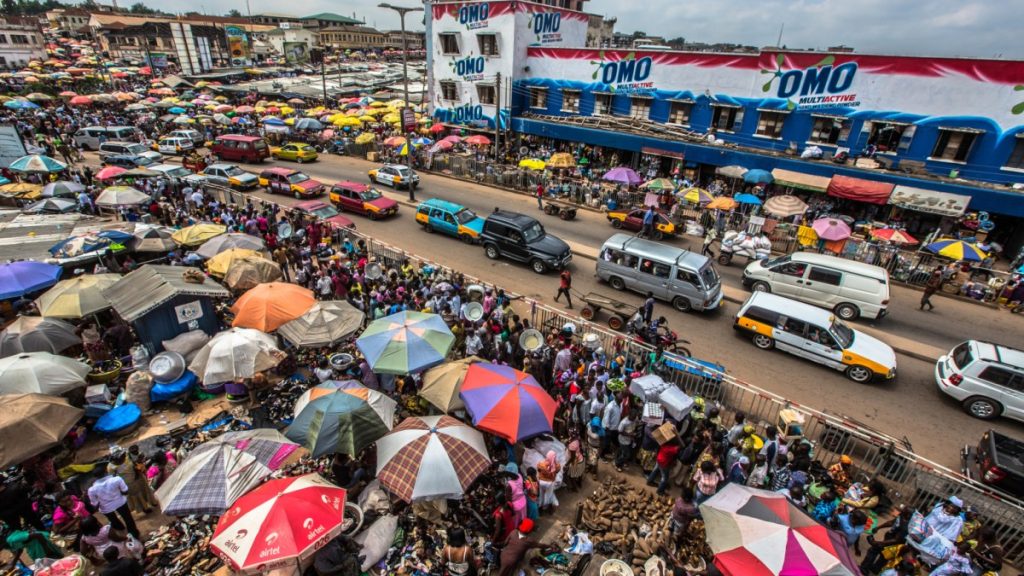
Onitsha market system comprises over 40 specialised markets, each dedicated to specific goods.
These include pharmaceuticals, textiles, foodstuffs, building materials, electronics, motor spare parts, timber, ceramics, and stockfish.
Together, they form a vast, interconnected trading ecosystem unmatched elsewhere in Africa.
Economic Impact and Trade Volume
Onitsha Main Market’s economic footprint is immense:
- Annual trade volume: Estimated between $3 billion and over $5 billion
- Daily activity: Over 5 million visits and up to 12 million transactions
- Employment: More than two million traders and support workers, plus over 500,000 indirect jobs
- Informal economy: Around 40% of transactions remain unbanked
The market supports transport operators, artisans, loaders, cart pushers, warehouse staff, and thousands of SMEs.
Many traders operate as importers and exporters, maintaining direct links with manufacturers in China, India, Germany, Britain, Singapore, Indonesia, South Africa, and beyond.
Onitsha also supplies traders from Cameroon, Benin Republic, Ghana, South Africa, and most parts of Nigeria.
This scale explains why Onitsha is often described as the biggest market in Africa.
DID YOU MISS: What Are the 3 Largest Countries in Africa?
Africa’s Top 10 Biggest Markets
1. Onitsha Main Market – Onitsha, Nigeria
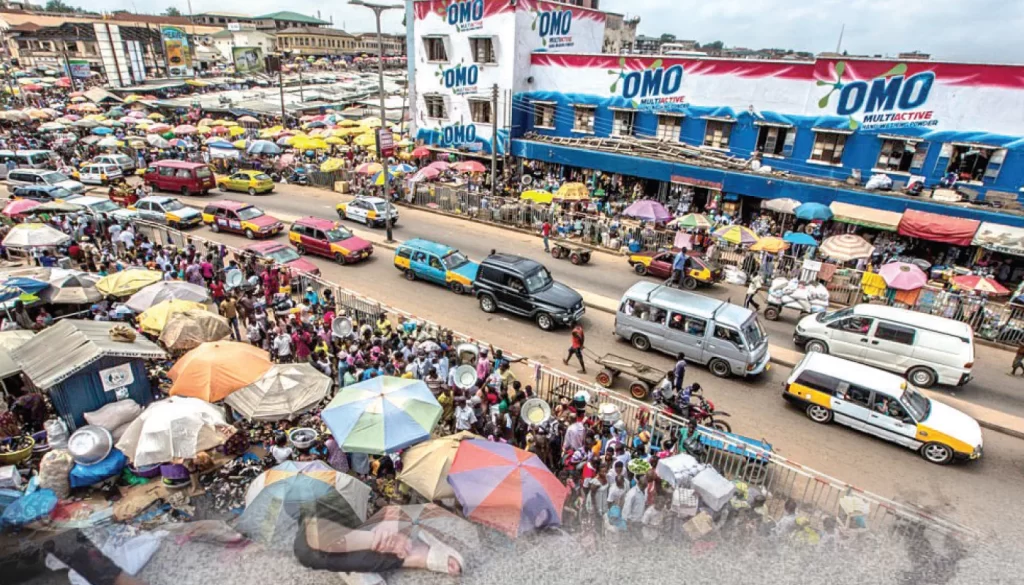
The biggest market in Africa by spread and volume. It is known for wholesale trade, imports and exports, and a vast network of specialised markets covering nearly every category of goods.
2. Mercato Market – Addis Ababa, Ethiopia
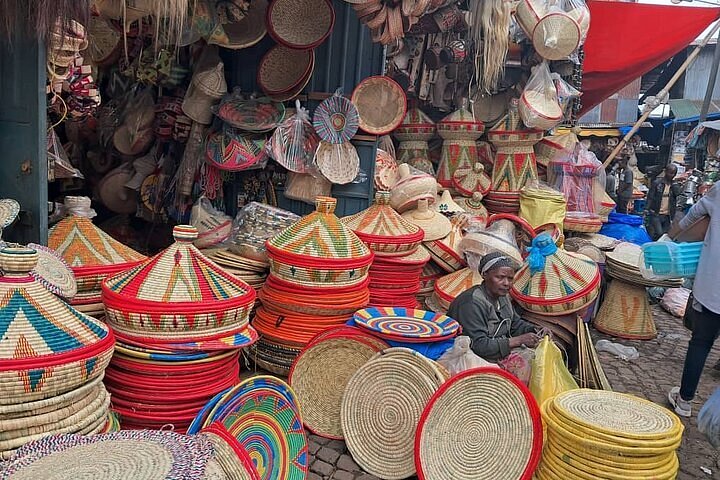
This market is often cited as Africa’s largest open-air market. Mercato is the backbone of Ethiopia’s informal economy, specialising in grains, spices, metals, recycled goods, and wholesale distribution.
3. Balogun Market – Lagos, Nigeria
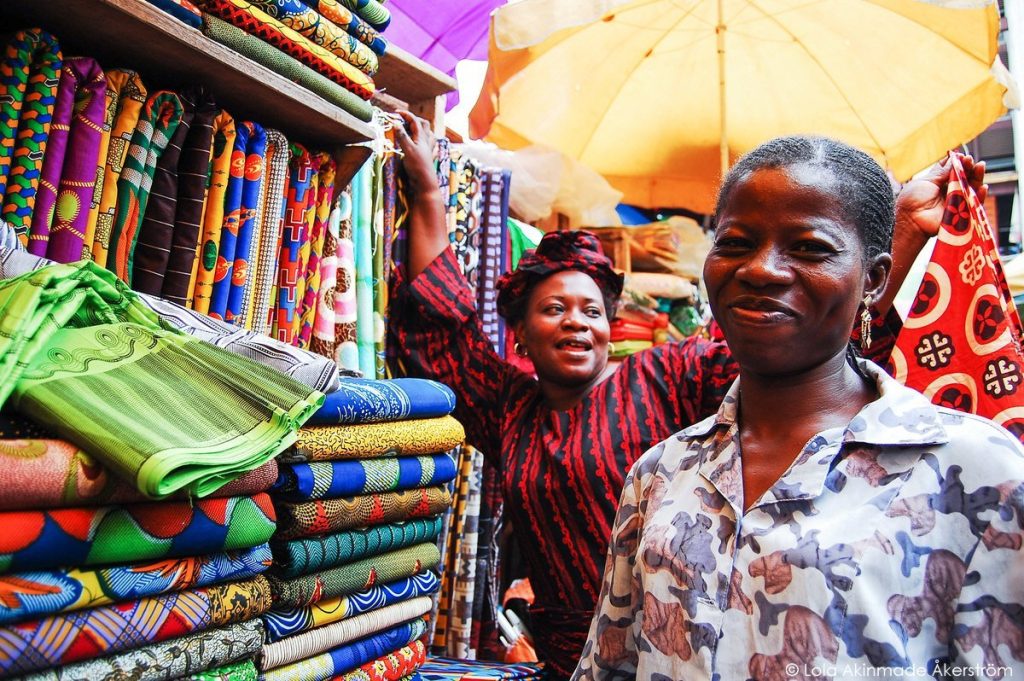
Located on Lagos Island, Balogun Market is a major hub for textiles, fashion items, jewellery, and household goods, serving both retailers and wholesalers across southern Nigeria.
4. Khan el-Khalili – Cairo, Egypt
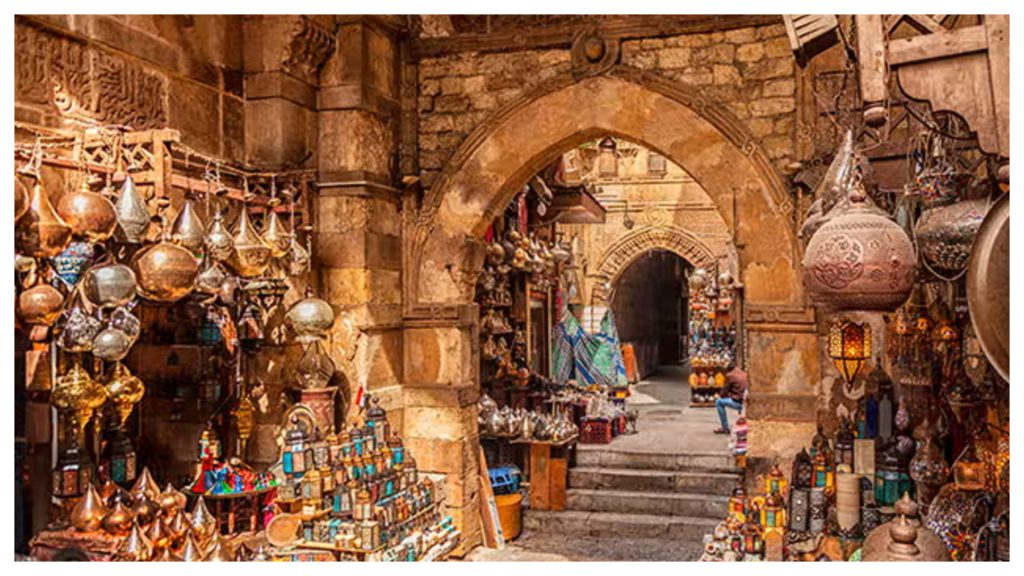
One of Africa’s oldest markets, dating back to the 14th century. It is renowned for jewellery, spices, crafts, and tourism-driven retail.
5. Kejetia Market – Kumasi, Ghana
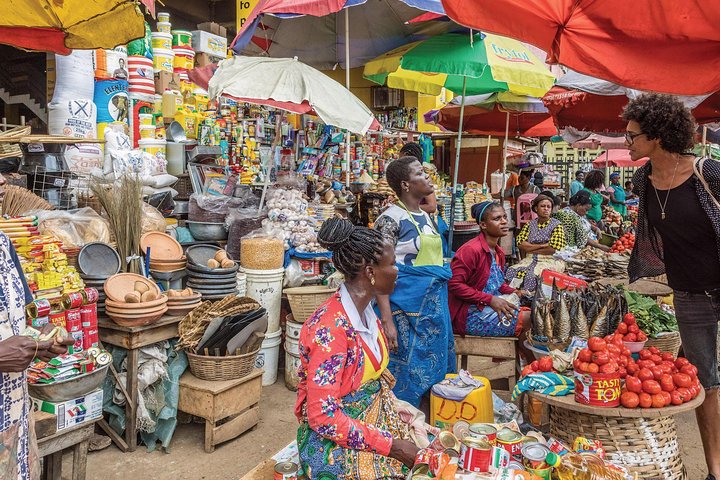
Also known as Kejetia Lorry Terminal Market, it is the largest market in Ghana. It dominates the trade in foodstuffs, grains, and everyday consumer goods in the Ashanti region.
YOU MIGHT LIKE: 7 Lucrative Business Opportunities Africans Are Rushing Into in 2026
6. Ariaria International Market – Aba, Nigeria
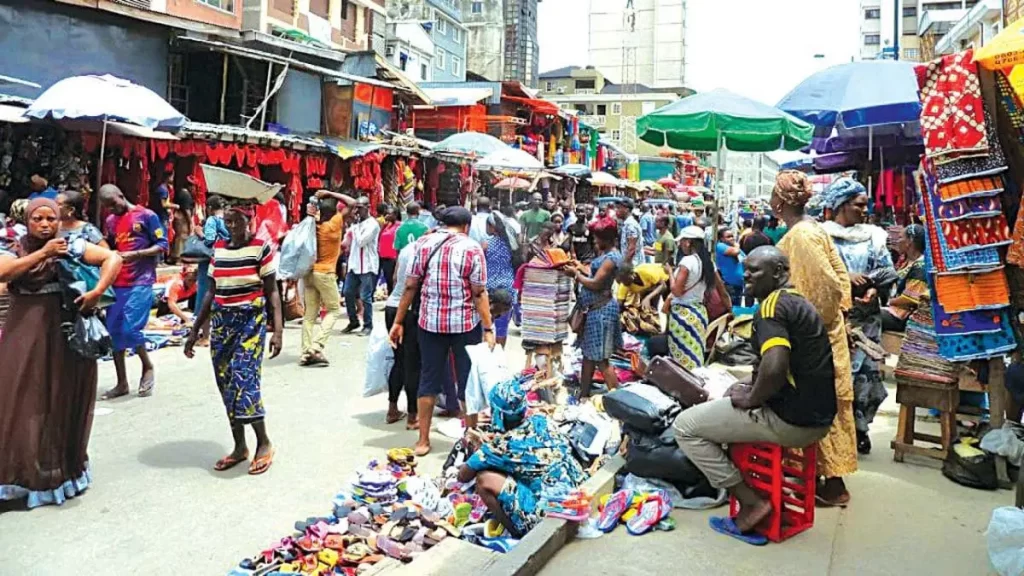
Famous for locally manufactured goods, especially footwear, garments, and leather products. Ariaria is a symbol of Nigeria’s indigenous manufacturing capacity.
7. Makola Market – Accra, Ghana
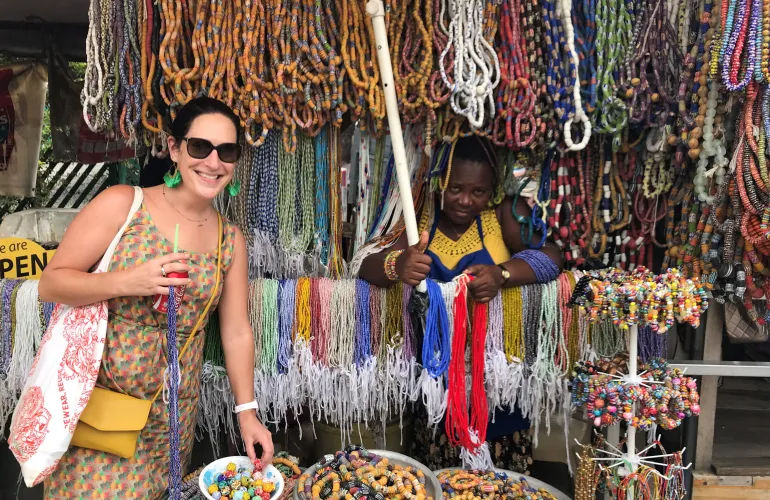
A major commercial centre in Accra, known for food items, fabrics, and wholesale trade. Makola plays a central role in Ghana’s urban food supply chain.
8. Computer Village – Ikeja, Lagos, Nigeria
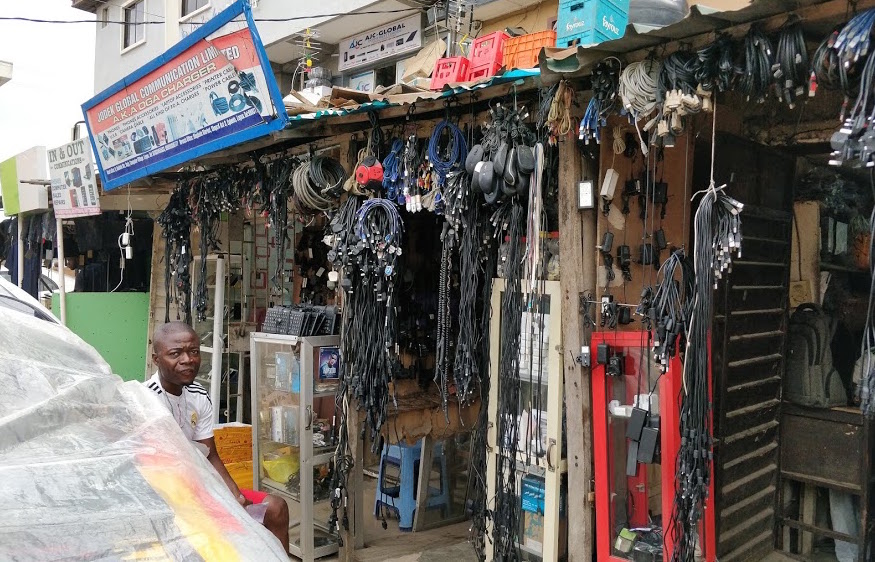
Computer Village is West Africa’s largest technology and electronics market. It specialises in phones, computers, repairs, accessories, and ICT services.
9. Maasai Market – Nairobi, Kenya
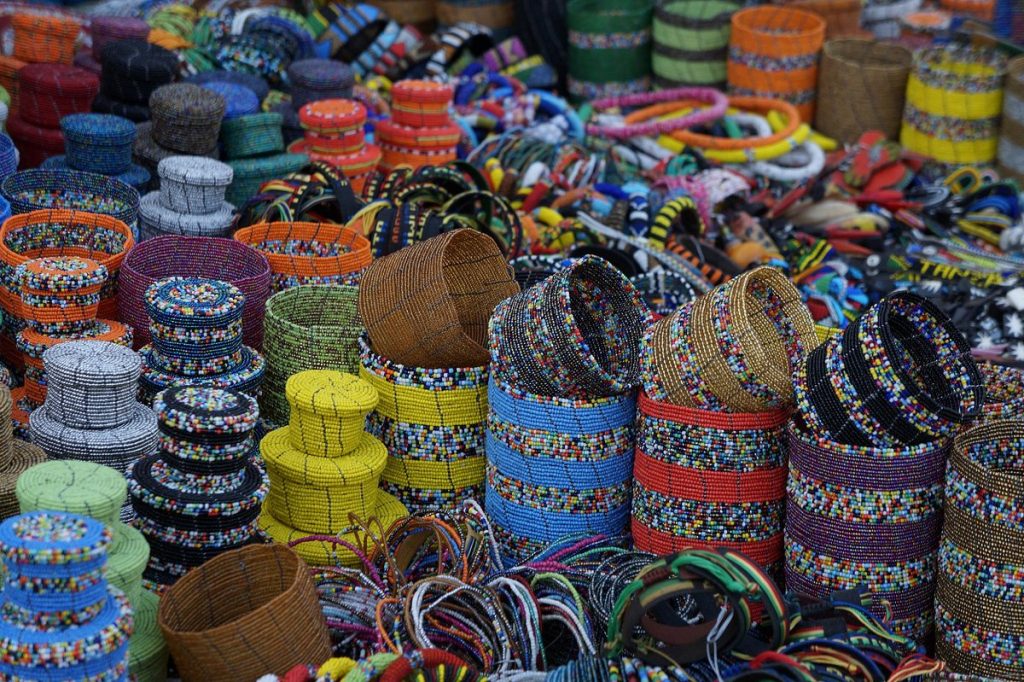
Best known for African crafts, beadwork, jewellery, and souvenirs. It attracts tourists and supports artisans from across East Africa.
10. Owino Market – Kampala, Uganda
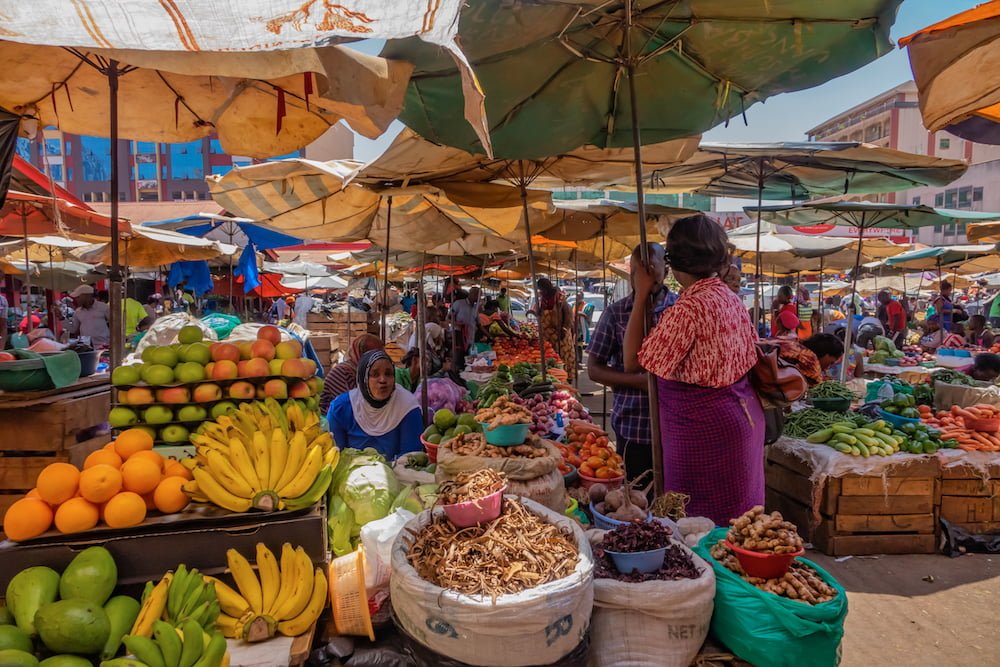
One of East Africa’s busiest markets, trading in second-hand clothing, food items, and household goods, and serving a large urban population.

About The Author