


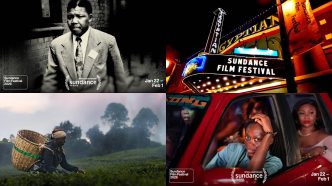
Every January, Park City quietly becomes the world’s most influential indie cinema town.
Filmmakers arrive with passion projects, unfinished edits, and the hope that Sundance will change everything. At the 2026 Sundance Film Festival, it is clear that African films at Sundance 2026 are now headline acts.
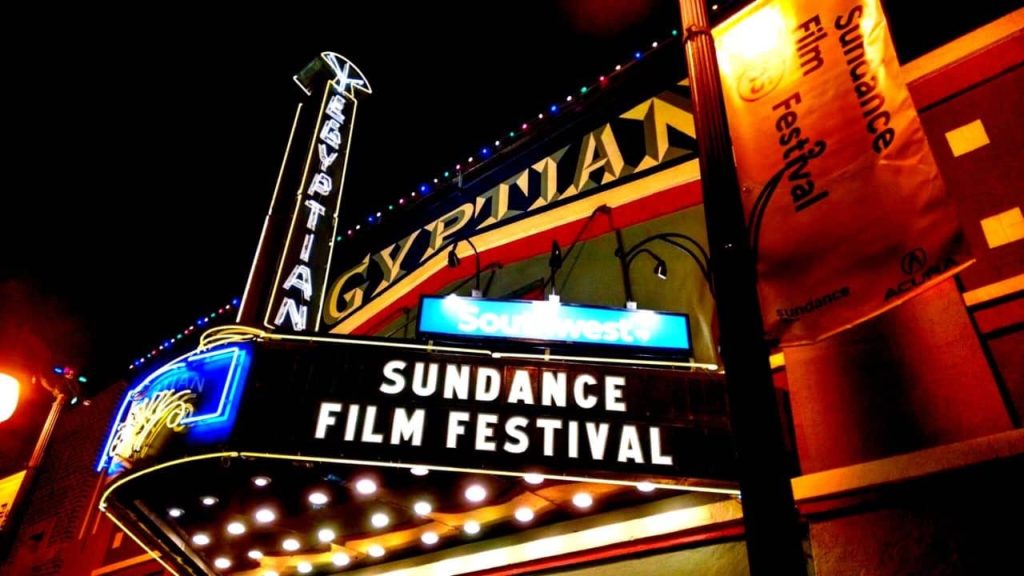
Running from January 22 to February 1, 2026, across Park City and Salt Lake City, Utah, Sundance remains the gold standard for independent filmmaking. It’s the largest independent film festival in the United States. 
Out of more than 16,000 submissions across 164 countries, only a select few films made the final lineup. Among them are three African films that showcase the continent’s storytelling power, emotional range, and growing global influence.
This year’s festival is especially symbolic. Sundance 2026 marks the final edition hosted in Park City before the event relocates to Boulder, Colorado in 2027.
It will also honour the late Robert Redford, founder of the Sundance Institute and lifelong champion of independent voices. Against this backdrop, the presence of African films feels timely.
ALSO READ: Nollywood made ₦10 billion in 2025 – See Top 10 Highest-Grossing (So Far)
Why African Films at Sundance 2026 Matter More Than Ever
The rise of African films at Sundance 2026 reflects a broader shift in global cinema. African stories are no longer niche cultural exports; they are commercially viable, critically respected, and globally resonant.
ALSO READ: The Funke Akindele Strategy: How ‘Behind The Scenes’ Smashed 6 Records and Hit ₦1.1B in 17 days
Nigeria’s box office alone hit ₦11.5 billion in 2024, a 60% jump from the previous year and it has continued to grow. Also, cinema admissions in Senegal and Côte d’Ivoire continue to climb.
Sundance’s selection signals trust in African narratives as African filmmakers become serious global players. Now, let’s meet the three African films at Sundance 2026 doing the continent proud.
1. Lady (Nigeria) — Lagos, Hustle, and Sisterhood
Set in the restless sprawl of Lagos, ‘Lady’ follows a young female taxi driver navigating survival in a city that never cuts anyone slack. Directed by Olive Nwosu, the film explores economic pressure, moral compromise, and unexpected sisterhood when fuel subsidy removal threatens her fragile stability.
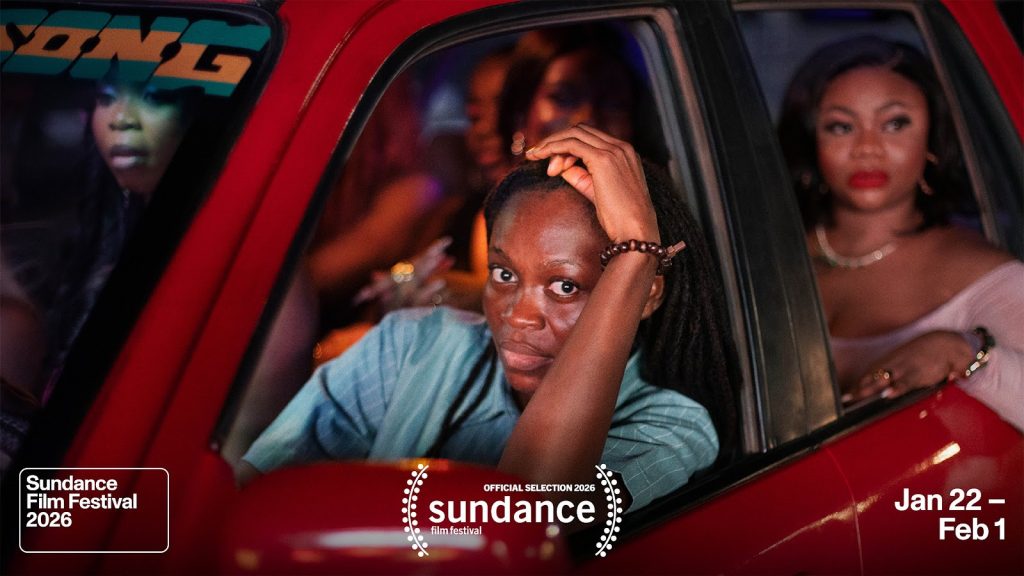
This UK–Nigeria co-production avoids spectacle and leans into emotional truth. It is intimate, grounded, and quietly devastating. For Nigerian cinema, Lady represents one of the strongest feature entries at Sundance in recent years.
2. Kikuyu Land (Kenya) — When History Refuses to Stay Buried
Land is never just land. In Kikuyu Land, it is memory, identity, and unfinished business.
Co-directed by Bea Wangondu and Andrew H. Brown, the documentary begins as an investigation into a land dispute involving local communities, government authorities, and multinational interests.
It quickly becomes something deeper. As Wangondu documents the fight for restitution, she also uncovers her own family’s history of colonial dispossession.
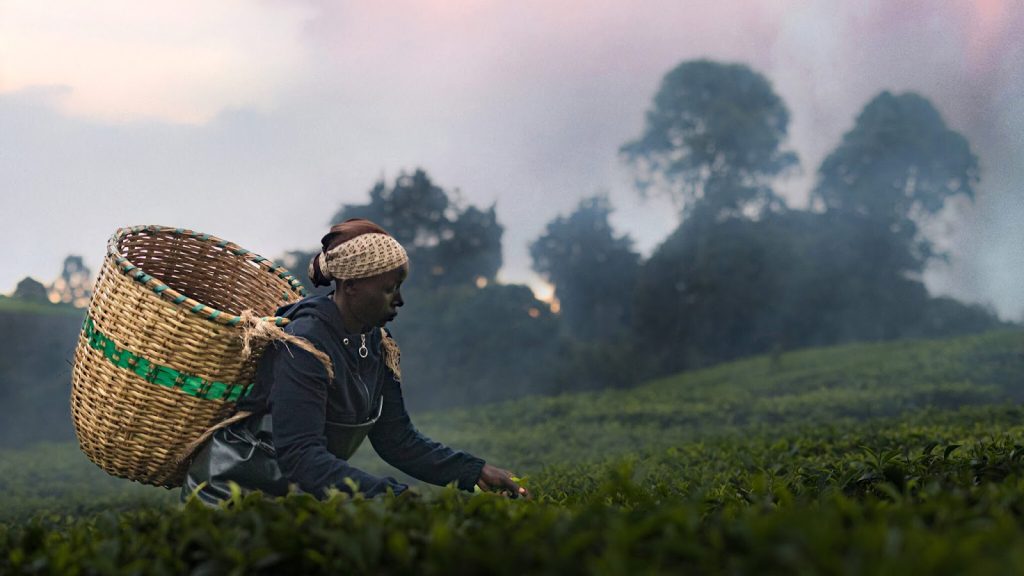
The film balances intense investigative journalism with emotional storytelling, refusing to separate public injustice from personal pain. Kenya’s landscape appears beautiful, quiet, and haunted all at once.
Kikuyu Land proves that documentaries can be politically urgent without losing their human heartbeat.
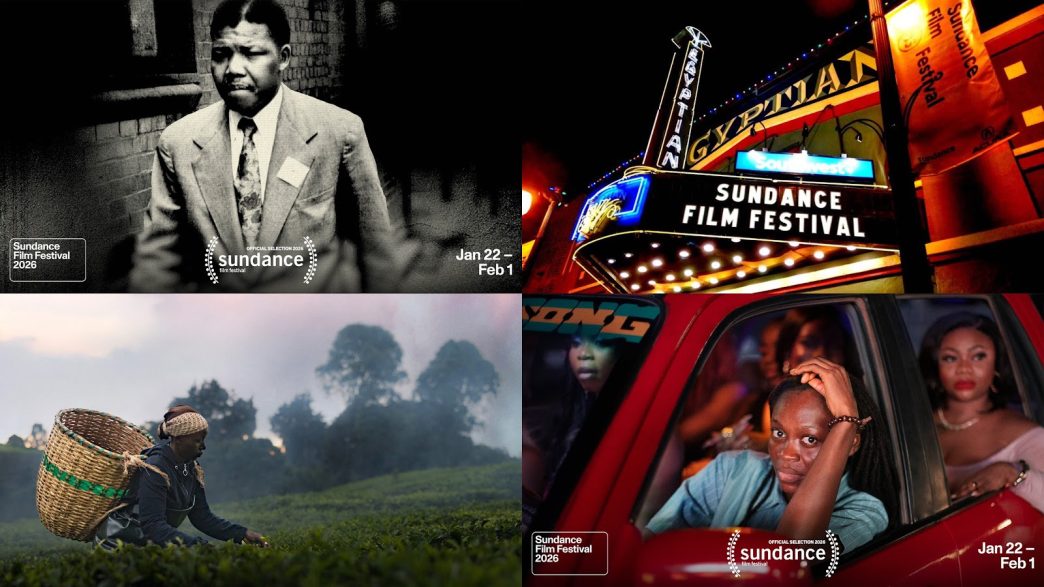
3. Troublemaker (South Africa) — Mandela Unfiltered
You think you know Nelson Mandela. ‘Troublemaker’ asks you to listen again.
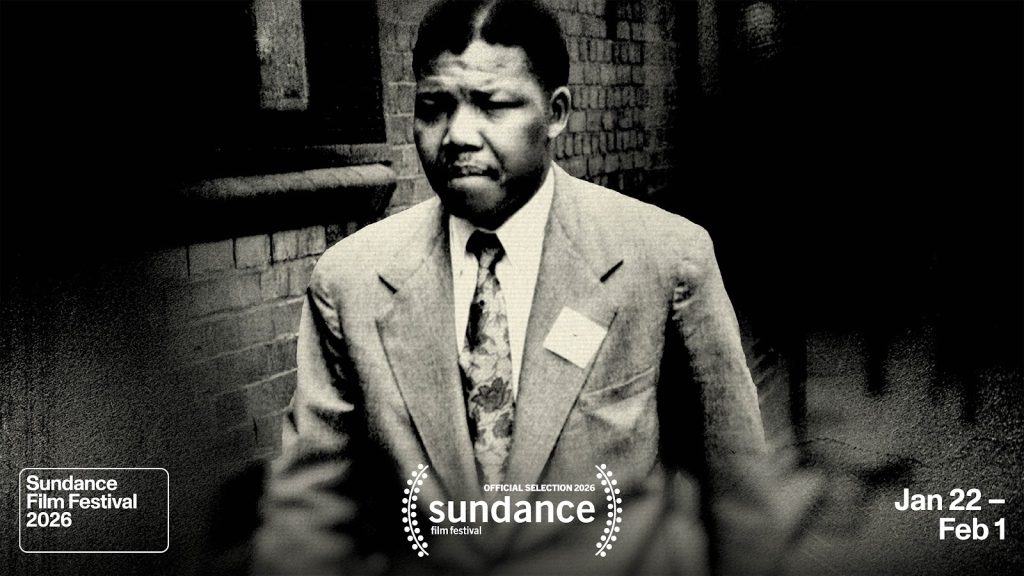
Directed by Antoine Fuqua, this documentary draws from newly recovered audio recordings made while Mandela was writing Long Walk to Freedom.
His voice (reflective, uncertain, resolute) guides the film through apartheid, imprisonment, leadership, and the moral weight of liberation.
The title nods to Mandela’s birth name, Rolihlahla, meaning “Troublemaker”, reframing his legacy as deliberate resistance rather than destiny. Animated sequences, archival footage, and testimony from anti-apartheid activist Mac Maharaj give the film texture and urgency.
Why These African Films at Sundance 2026 Change the Conversation
Together, these three stories signal something important. African films at Sundance are no longer framed as “representation slots.” They are complex, confident works competing on craft. Their presence reflects a future where African filmmakers are regulars on global stages, not rare exceptions.
As Sundance 2026 unfolds, you can expect screenings, industry discussions, jury deliberations, and awards, culminating in the jury and audience awards ceremony on January 30 at The Ray Theatre in Park City. Beyond trophies, these films will travel, spark conversations, and open doors.

About The Author