


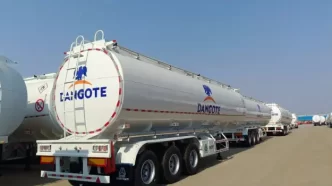
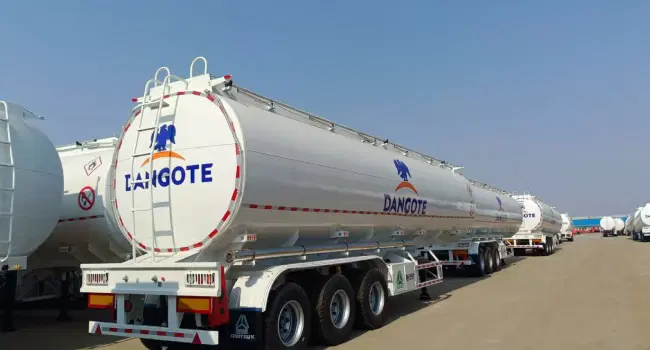
For the first time in a long while, Nigerian motorists are seeing real relief at the fuel pumps as the Dangote Petroleum Refinery has announced a major reduction in petrol prices.
The refinery has set a new retail price of ₦739 per litre at its partner filling stations, following a drop in its gantry (ex-depot) price to ₦699 per litre.
The new price officially takes effect from Tuesday, December 16, and is expected to be enforced across all filling stations that purchase petrol directly from the Dangote Refinery. 
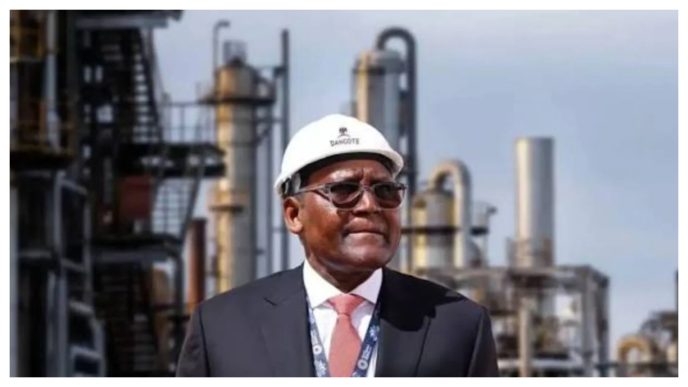
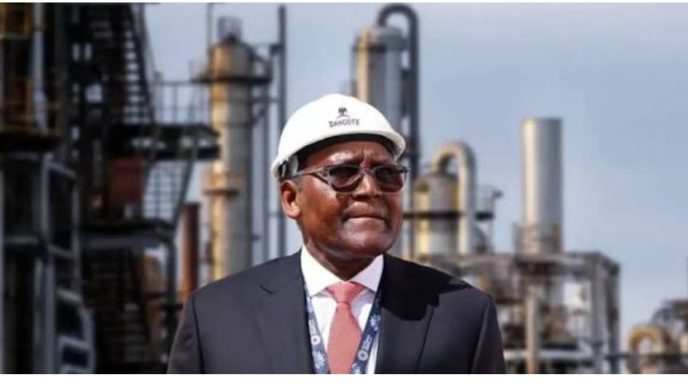
Speaking at a press briefing at the Lekki refinery, billionaire industrialist Aliko Dangote said the price reduction would be strictly enforced.
According to him, MRS Oil Nigeria Plc will be the first to implement the new price.
“Starting Tuesday, MRS will begin selling petrol at ₦739 per litre. We will definitely enforce that low price. You won’t buy petrol at ₦970 per litre again.”
He added that the refinery would take firm action against any attempt to frustrate the new pricing regime.
Filling Stations Selling Petrol at ₦739 Per Litre

Motorists can buy petrol at the new price at Dangote partner stations, including:
- MRS Oil Nigeria Plc
- Conoil Plc
- Eterna Plc
- Golden Super
- Nepal Energies
- Kifayat Global Energy
- Riquest Oil and Gas
- Emadeb Energy Services Limited
Other Filling Stations Expected To Adjust Prices
Several other stations are also expected to reduce their pump prices as the Dangote fuel reaches the market. These include:
- Riquest Mamu Oil
- Garima Petroleum
- Sunbeth Energies
- Sobaz Nigeria Ltd
- Sixxco Oil Ltd
- N.U. Synergy Ltd
- Soroman Nigeria Ltd
- Jezco Oil Nigeria Ltd
- Jengre Cocean
- Kifayat Triumph
- Golden Sifem Global
Dangote blamed some fuel marketers for keeping pump prices high despite the reduction, alleging that certain interests were trying to sabotage the effort.
ALSO READ: Attention Business Owners: CAC Now Requires Extra Details for Online Registration
He said the refinery would use all available resources to ensure petrol is not sold above ₦740 per litre nationwide, especially in December and January, when fuel demand is high due to festive travel.
In response to Dangote’s price cut, Nigerian National Petroleum Corporation (NNPC) Limited has also adjusted its petrol prices in major cities, while private depots have started slashing rates to remain competitive.
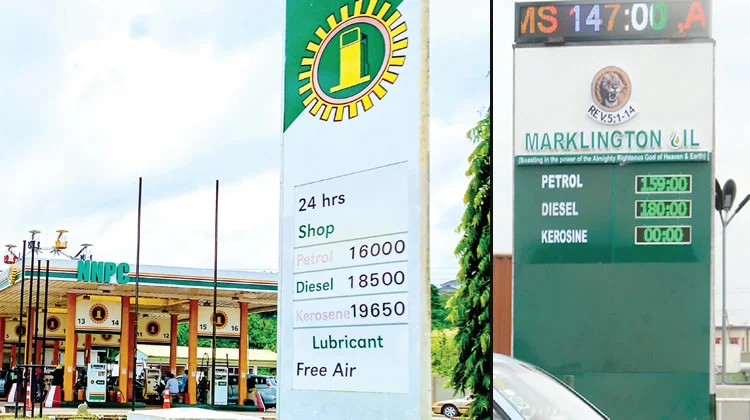
Market experts say the price drop highlights the benefits of domestic refining, as Nigeria relies less on imported fuel.
Financial analyst Kalu Aja noted that the falling petrol prices reflect improved supply rather than reduced demand, stressing that increased competition is forcing marketers to lower prices.
According to him, if supply continues to improve, Nigerians could see even more price stability in the coming months.

About The Author