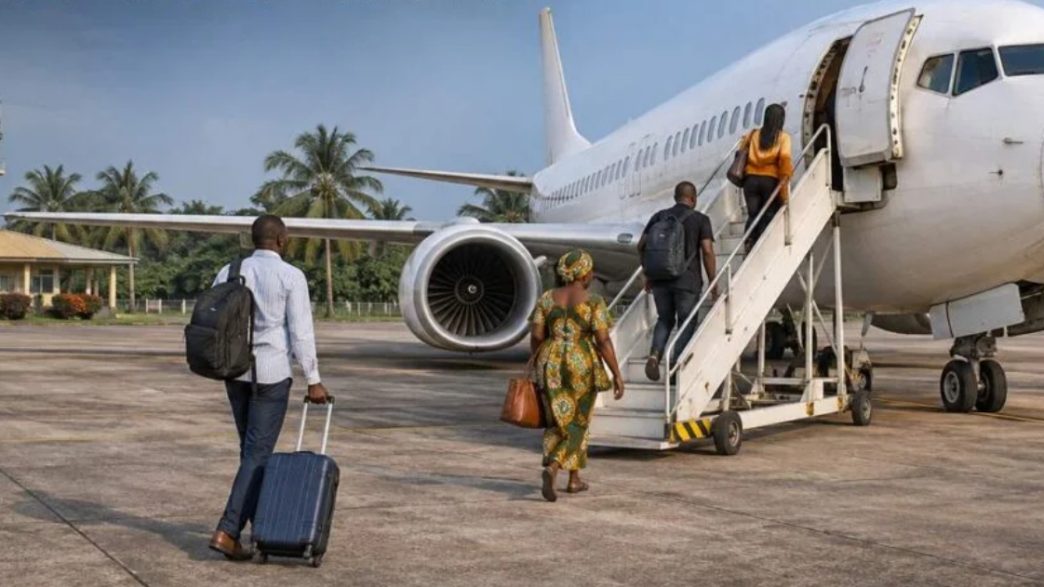
Nigerian airline operators have raised concerns over the tax and regulatory charges imposed on the aviation industry, warning that the financial burden is putting pressure on their operations and could make airline ticket prices in Nigeria increasingly unaffordable for passengers.
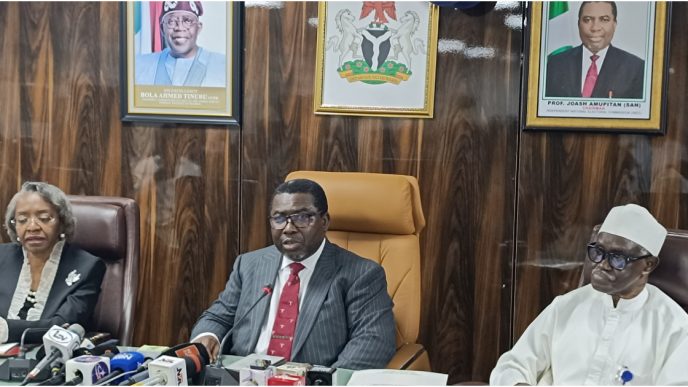
The concerns emerged on Friday, November 13, at a stakeholders’ town hall organised by the Office of the Tax Ombud in Lagos, where industry representatives called for a review of the country’s tax and revenue administration.
The Vice President of the Airline Operators of Nigeria (AON) and Chief Executive Officer of Air Peace, Allen Onyema, said passengers bear the cost of a combination of Value Added Tax (VAT) and charges collected by the Nigerian Civil Aviation Authority (NCAA). 
Both passengers and operators face difficulties over rising costs
According to Onyema, the 7.5% VAT on tickets, combined with a 5% NCAA ticket sales charge, amounts to a 12.5% charge on passengers.
He also alleged that airline operators continued to face demands from revenue agencies over VAT payments despite what he described as government assurances that the tax had been waived.
Onyema warned that the industry’s financial difficulties could threaten the survival of operators and jobs if the government failed to address the concerns. He also called attention to the cost of aviation fuel, which he said had risen from about ₦900 to more than ₦2,000 per litre, with some operators purchasing it for as much as ₦3,500.
He further claimed that airlines contend with as many as 154 different charges, describing the cumulative burden as unsustainable.
Why airline ticket prices in Nigeria face a 12.5% charge
While the operators have presented the combined 12.5% as a major contributor to rising ticket costs, the legal and policy status of the individual charges requires clarification.
The NCAA’s 5% Ticket Sales Charge is provided for under Section 23 of the Civil Aviation Act 2022. The Act states that the charge applies to international and domestic air transportation originating in Nigeria, with the amount calculated on the relevant sales value, excluding statutory fees and taxes.
The NCAA also explains on its website that the charge is collected on tickets and shared with other aviation agencies. This includes the Nigerian Airspace Management Agency (NAMA), the Nigerian Meteorological Agency (NiMet), the Nigerian College of Aviation Technology (NCAT) and the Accident Investigation Bureau.
However, the VAT component of the operators’ complaint raises further questions about how the current tax framework is being applied to airline tickets and whether the alleged demands by revenue agencies are consistent with the government’s tax reforms.
In December 2025, the Presidential Committee on Fiscal Policy and Tax Reforms said the new tax laws were designed to make airlines VAT-neutral by allowing them to recover input VAT paid on eligible goods and services.
The committee also explained that although airline tickets attract 7.5% VAT, the ability of operators to recover input VAT could reduce the overall impact on their operating costs.
The explanation makes it necessary to establish precisely what the airlines are being asked to pay. This includes which charges are applicable and whether any conflicting interpretations of the tax provisions are contributing to the dispute.
Government’s response and the cost to passengers
At the town hall, the Tax Ombud and Chief Executive of the Office of the Tax Ombud, John Nwabueze, said the government’s tax reforms were intended to create a more transparent, efficient and equitable revenue administration system.
He said the office provides a channel for resolving taxpayers’ complaints through mediation, adding that its services are free.
Onyema urged the Tax Ombud to communicate the industry’s concerns to President Bola Tinubu, arguing that the government needed to understand the financial pressures facing airline operators.
For passengers, the dispute goes beyond disagreements between airlines and revenue agencies. Any increase in operating costs can place additional pressure on ticket prices, particularly when operators have limited room to absorb rising expenses.
The challenge for the government is therefore to ensure that legitimate regulatory charges are transparently administered without creating unnecessary financial pressure on operators or passengers.
As the industry calls for tax relief and greater harmonisation, the immediate questions remain whether the alleged VAT demands are legally justified, how the different charges are calculated and what steps the government will take to address the operators’ complaints.
READ ALSO: Makinde Says Tinubu Never Called Him Over Oriire Kidnapping as Nigerians React

About The Author