


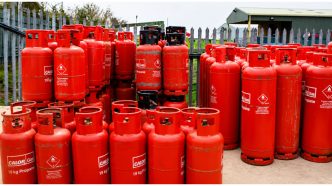
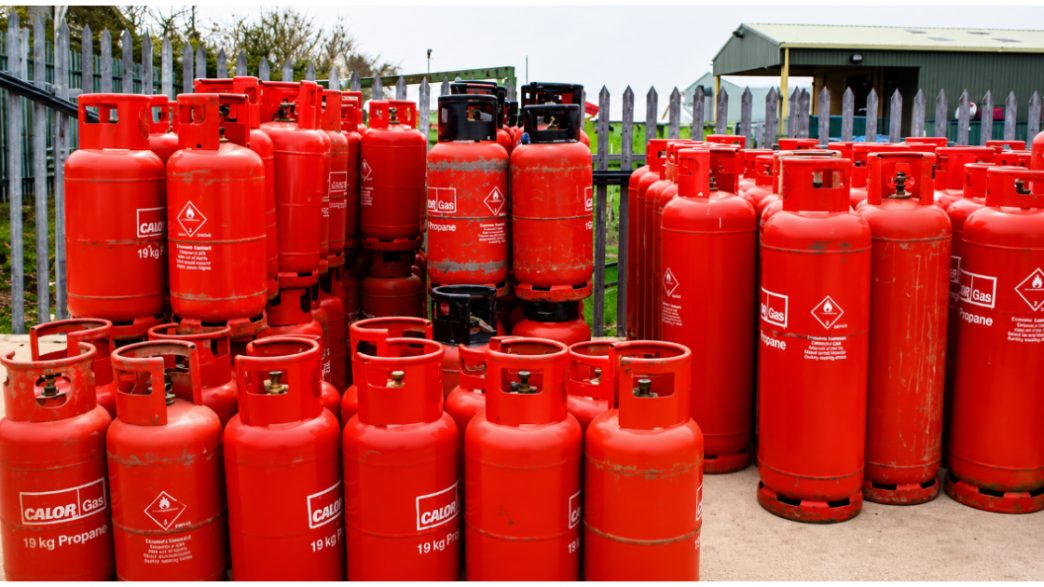
Nigerian households, restaurants, and small businesses are set to face higher cooking costs after Dangote Refinery increased its liquefied petroleum gas (LPG) gantry price by 8.1 percent.
The gantry price, which is what marketers pay the refinery at the factory gate, now stands at N1,000 per kilogram, up from N925. With the N75 hike, there is an increase in the likelihood of further adjustments at the retail level.
How the Gantry Price Affects Current Cooking Gas Prices
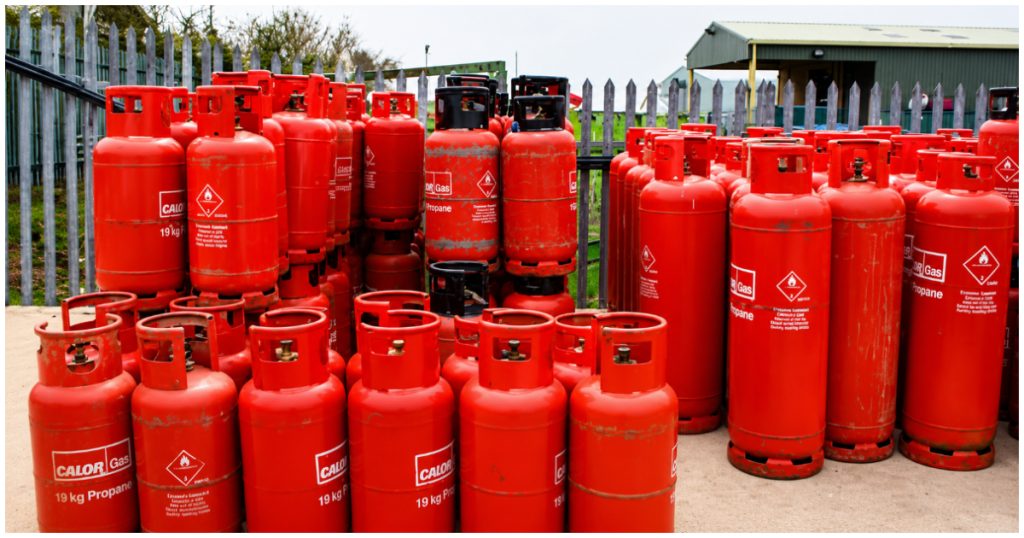
At the current average retail rate of N1,400/kg in major outlets, a 5kg cylinder would cost roughly N7,000. 
Dangote’s adjustment carries weight because of the refinery’s major influence on Nigeria’s domestic petroleum products market. When they raise their price, many other sellers follow.
Hence, with Dangote’s price increase, the price of filling your gas cylinder is likely to go up soon. So, businesses that rely on gas for cooking will also face higher costs, leading to slightly higher food prices.
SEE ALSO: Ikeja Electric Blames Grid Shortfall For Poor Supply, But Nigeria’s Electricity Problems Run Deeper
Why the Price of Cooking Gas Keeps Increasing
Even though Nigeria is producing more cooking gas locally than last year, the extra supply has not brought prices down. Transportation, loading charges, financing, and distribution expenses all influence the final price consumers pay.
Inyang Edu, national president of the Nigerian Association of Liquefied Petroleum Gas Marketers (NALPGM), has previously identified international energy prices, shipping and insurance costs, foreign-exchange exposure, and domestic logistics as major drivers of cooking gas prices.
“When the replacement cost of LPG rises at the depot, the marketer cannot continue selling at the previous price without making a loss,” Edu explained.
He added that transportation, loading, financing, plant operations, personnel, and maintenance costs must all be recovered before the product reaches consumers.
Emmanuel Omuojine, managing director of Rainoil, also highlighted international supply disruptions, freight expenses, and domestic market constraints as key factors behind LPG price volatility
SEE ALSO: Generate Solar Power, Earn Bill Credits? Nigerians Challenge NERC’s New Electricity Rules

About The Author