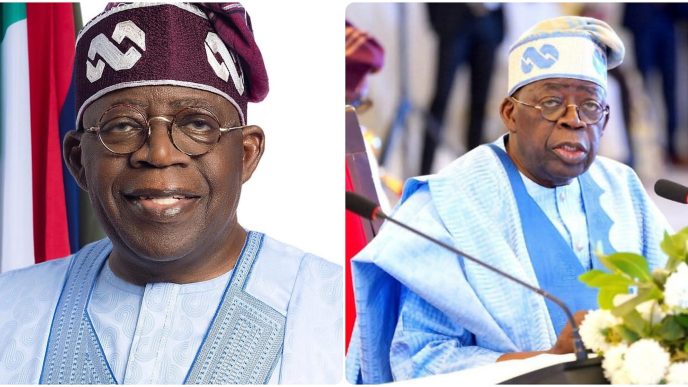



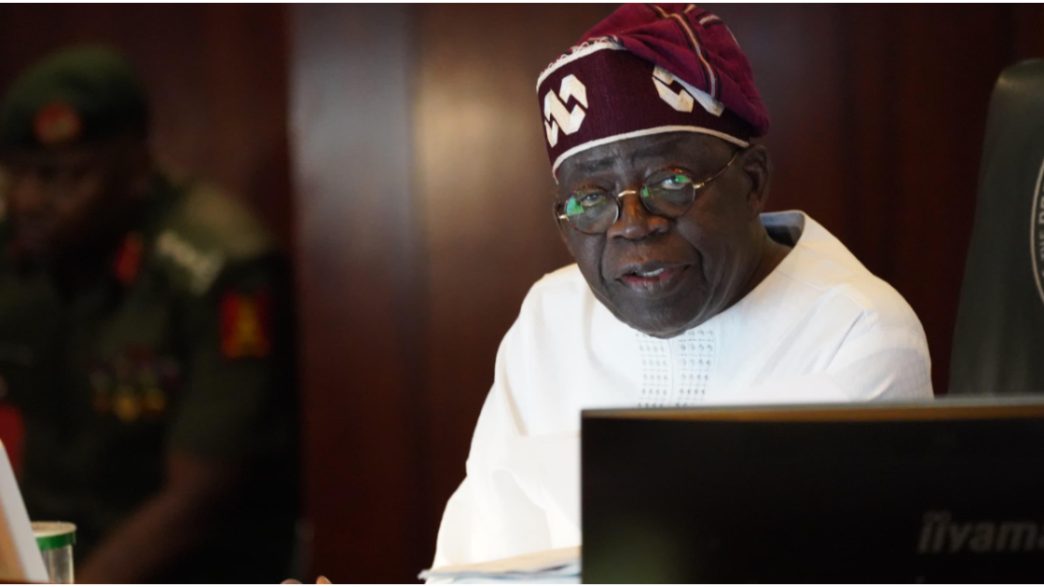
President Bola Ahmed Tinubu’s latest request for National Assembly approval of a $7.7 billion external borrowing plan has renewed public debate about Nigeria’s growing foreign debt.
The proposal, worth approximately ₦10.79 trillion at the budget exchange rate of ₦1,400 to the dollar, replaces an earlier request for $20.52 billion and €1.045 billion. The communication was read by Senate President Godswill Akpabio and referred to the Senate Committee on Local and Foreign Debts for consideration.
Since assuming office in May 2023, the Tinubu administration has pursued external financing through multilateral institutions, international capital markets and bilateral lenders to fund infrastructure, support economic reforms and address fiscal deficits. 
However, loan approvals, borrowing requests and actual disbursements represent different stages of the borrowing process. Here is a breakdown of the administration’s major external financing activities and their implications for Nigeria’s economy.
1. Major Multilateral Financing: World Bank and Development Institutions
The World Bank has remained one of Nigeria’s major sources of external development financing. Notable approvals under the Tinubu administration include:
- RESET – $1.5 billion: Approved in June 2024 to support economic stabilisation, fiscal reforms and improvements to the investment climate.
- DARES – $750 million: Approved in December 2023 to expand electricity access through solar mini-grids and other renewable energy solutions.
- ARMOR – $750 million: Approved alongside RESET in June 2024 to strengthen domestic revenue mobilisation and fiscal management.
- RAAMP-SU – $500 million: Approved in December 2024 to improve rural roads and agricultural market access.
- AGILE – $700 million: Approved in September 2023 to expand girls’ access to secondary education and improve school retention.
These approvals represent financing commitments, not necessarily funds already disbursed. Actual releases depend on project implementation and agreed financing conditions.
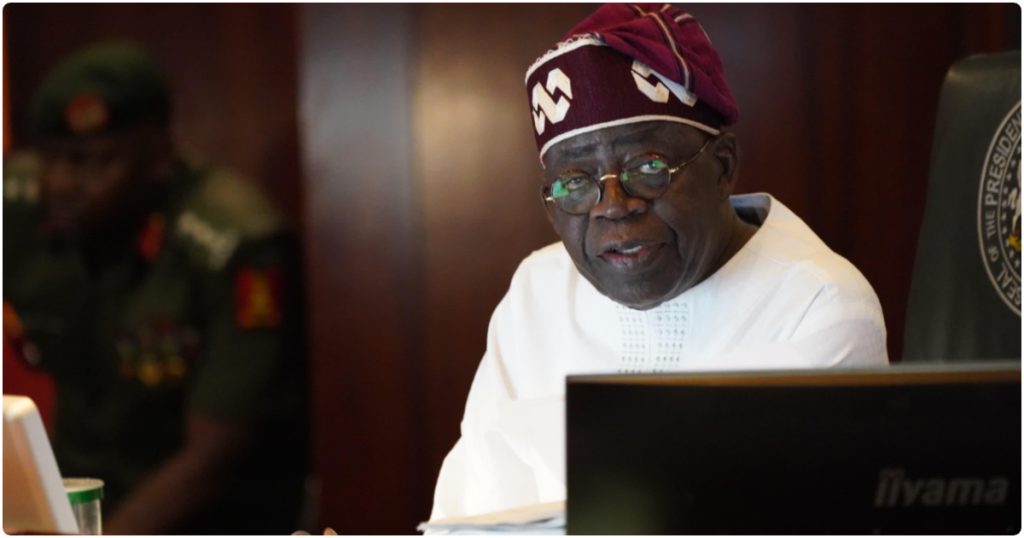
2. Commercial Borrowing: Eurobonds and International Capital Markets
Nigeria has also returned to international capital markets to raise funds for government expenditure and manage its financing needs.
- 2024 Supplementary Financing – $2.21 billion: A proposed commercial financing arrangement considered by the National Assembly to support supplementary budget expenditure.
- December 2024 Eurobond – $2.2 billion: Nigeria successfully raised $2.2 billion through two bond tranches: $700 million with a 6.5-year maturity and $1.5 billion with a 10-year maturity.
- 2026 Borrowing Proposal – $7.7 billion: The latest request prioritises Eurobond issuances and targeted multilateral financing to support government expenditure and capital investment.
The $2.21 billion financing plan and the subsequent $2.2 billion Eurobond issuance should not automatically be counted as separate completed borrowings.
The latest $7.7 billion request also remains subject to legislative approval and should not be treated as money already raised.
READ ALSO: Each Nigerian Owes ₦724,000 as Govt Debt Reaches ₦159.28 Trillion – Report
3. Medium-Term Borrowing: 2023–2026
The administration has pursued broader borrowing frameworks to finance projects across different sectors.
- 2022–2024 External Borrowing Plan: Originally prepared before Tinubu’s administration but approved in late 2023, covering approximately $7.8 billion and €100 million in proposed financing.
- 2025 Multi-Sector Borrowing Framework: Approved by the Senate in July 2025, with financing proposals exceeding $21 billion for infrastructure, power, transportation, rail and security projects. The framework includes different financing components and should not be treated entirely as external loans already disbursed.
- 2026 Revised Borrowing Plan: The administration’s withdrawal of its earlier $20.52 billion and €1.045 billion proposal in favour of a $7.7 billion request represents a restructuring of its borrowing strategy.
These figures reflect different borrowing frameworks and stages of approval. They should not simply be added together to calculate the total amount borrowed.
4. Nigeria’s Growing Debt Stock
Figures published by the Debt Management Office (DMO) show a substantial increase in Nigeria’s outstanding debt since Tinubu assumed office.
Nigeria’s external debt rose from approximately $43.16 billion in June 2023 to $54.52 billion in June 2026, an increase of $11.36 billion, or about 26.3 per cent.
Total public debt, covering both domestic and external obligations, also increased from ₦87.38 trillion in June 2023 to approximately ₦166.79 trillion in June 2026.
The increase in the naira value of foreign-denominated obligations has been partly driven by exchange-rate adjustments following foreign exchange market liberalisation in 2023. However, new borrowing, domestic debt issuance and other adjustments have also contributed.
It is important to note that the external debt stock includes outstanding loans inherited from previous administrations. It is therefore not an accurate representation of everything borrowed by Tinubu’s government.
5. Debt Servicing: Government’s Position and Economic Concerns
The federal government maintains that external borrowing is necessary to finance critical infrastructure, support economic reforms and address funding gaps. It also argues that multilateral loans often offer longer repayment periods and more favourable interest rates than commercial borrowing.
However, economic analysts and governance advocates have raised concerns about debt sustainability, transparency and Nigeria’s capacity to meet repayment obligations.
Some of the major concerns include:
- Whether borrowed funds are being deployed to their approved projects.
- Whether infrastructure investments will generate sufficient economic returns.
- The pressure of interest payments and principal repayments on government revenue.
- The additional cost of servicing foreign-denominated loans when the naira depreciates.
Although debt-to-GDP is an important indicator, Nigeria’s ability to generate sufficient revenue to service its obligations remains equally significant.
The Road Ahead
As the National Assembly considers the revised $7.7 billion borrowing proposal, the central question is no longer simply how much Nigeria intends to borrow, but what the country stands to gain from the financing.
External borrowing can support infrastructure development and economic growth, but its long-term value depends on transparency, effective project implementation and measurable economic returns.
For Nigeria, the priority must be to ensure that every borrowed dollar translates into productive assets, improved public services and sustainable economic opportunities.
SEE MORE: Top 10 African Countries Owing the IMF in 2026 and Those With Zero Debt
Story written by Aramide Okunboh, edited by Sola Sanusi.

About The Author