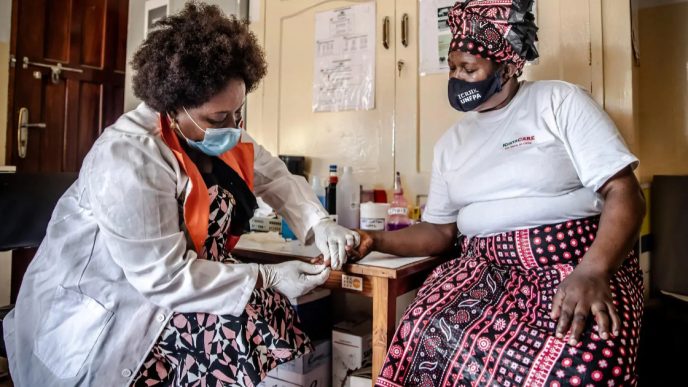



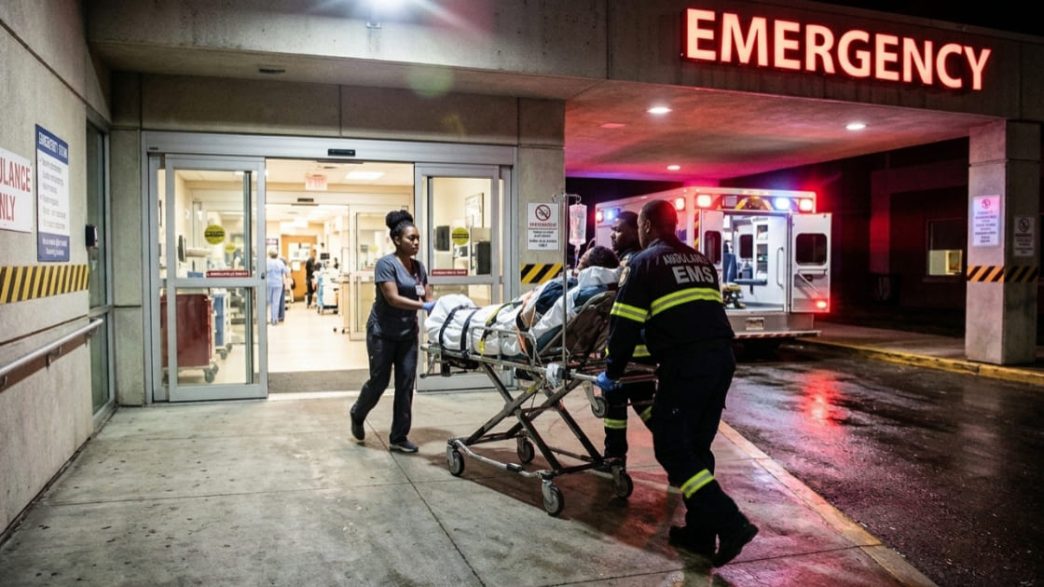
Picture this: your relative is bleeding at a hospital gate, and someone asks for a deposit or a police report before anyone will touch them. Many Nigerians assume that’s simply how emergency treatment works. Legally, it isn’t.
The Senate and the House of Representatives are currently debating tougher penalties for hospitals that refuse or delay emergency care. However, a rule already exists, and many people don’t know about it.
What the Law Says About Emergency Treatment
Section 20(1) of the National Health Act 2014 is short and direct: 
“A healthcare provider, health worker or health establishment shall not refuse a person emergency medical treatment for any reason.”
Lawyers quoted by Vanguard in October say the rule covers both public and private hospitals, and that it includes a patient’s inability to pay a deposit. Anyone convicted of breaking it faces a ₦100,000 fine, up to six months in prison, or both.
Besides, gunshot victims have extra protection. Under the Compulsory Treatment and Care for Victims of Gunshot Act 2017, hospitals can’t demand a deposit or police clearance before treating them. Instead, the hospital must inform the nearest police station within two hours.
SEE ALSO: The Nigerian Emergency Folder Every Household Should Have
What the Law Doesn’t Say
Still, emergency treatment isn’t free. Lawyers say hospitals can still seek payment after treatment, so your family may receive a bill. Likewise, the rule is about emergencies, so hospitals can still ask for payment for routine care.
In addition, a hospital may lack the equipment or specialist your relative needs. Legal commentary on the Act says staff should then stabilise the patient and arrange a referral, rather than simply turning them away.
What to Do if a Hospital Stalls
- Say it clearly. Tell staff it’s an emergency, and ask for the doctor on duty.
- Stay calm and mention the law. Refer to Section 20 of the National Health Act, because some staff may not know it.
- Note the details. Write down names, times and exactly what you were told.
- Complain afterwards. The Medical and Dental Council of Nigeria (MDCN) regulates doctors. In Lagos, the Health Facilities Monitoring and Accreditation Agency (HEFAMAA) regulates hospitals. A lawyer can also advise on a claim for damages if the refusal caused harm.
Of course, the bills may still change the penalties. For now, though, the existing rule already gives you something to say at that hospital gate.
READ ALSO: 2 AM Emergency in Nigeria: 9 Steps To Prepare for a Midnight Crisis

About The Author