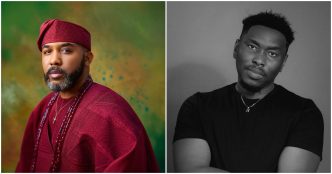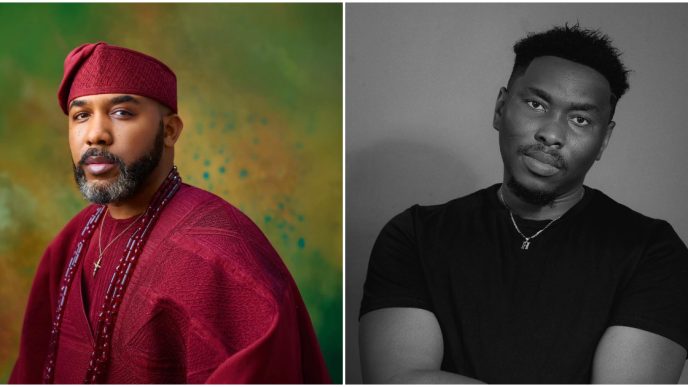




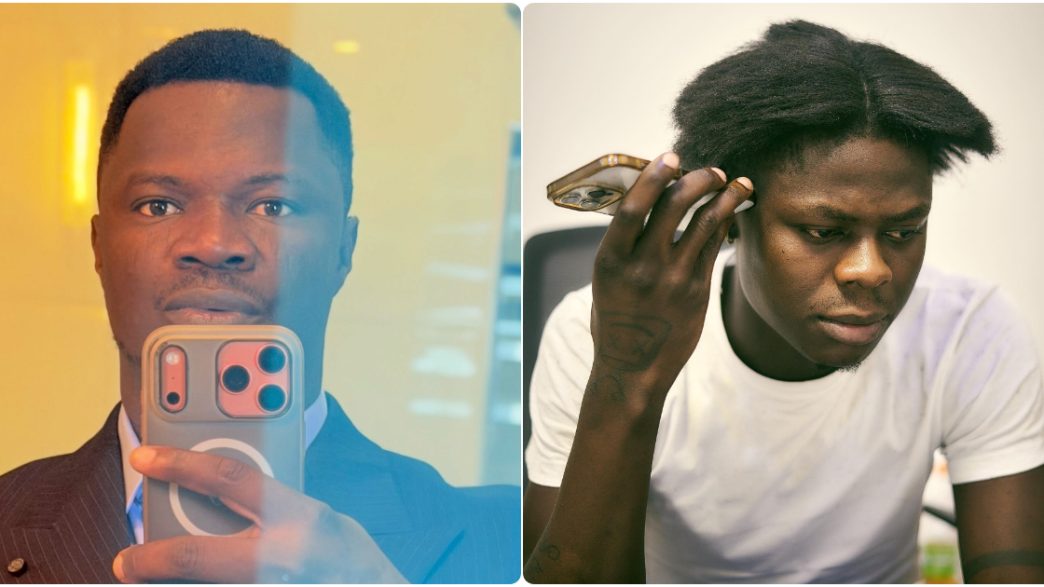
The deaths of Afrobeats singer Ilerioluwa Oladimeji Aloba popularly known as Mohbad and gospel singer Toluwanisings have raised troubling questions about family relationships, burial traditions, public scrutiny and the search for answers after a young loved one dies.
Although the circumstances surrounding their deaths differ, both cases have drawn intense public attention, with family disagreements adding another layer of pain to their final farewells.
In Mohbad’s case, his hasty burial on 13 September 2023 triggered nationwide outrage and calls for an investigation. His body was later exhumed for an autopsy, while disputes involving his widow, Wunmi, and his father, Joseph Aloba, kept the singer’s name in the headlines. 
Toluwanisings’ death has sparked a different but similarly painful controversy. The gospel singer’s paternal family has called for an investigation and opposed his planned burial until the circumstances surrounding his death are clarified. His father and widow have also reportedly disagreed over where he should be laid to rest.
While his father wants him buried in his newly built house in Ibadan, his wife reportedly opposed the idea. She preferred her husband to be laid to rest in a cemetery.
Two deaths, two families seeking answers
Mohbad died on 12 September 2023, aged 27. His death prompted public protests, widespread suspicion and demands for accountability. Police investigations followed, but the autopsy could not conclusively establish his cause of death because his body had decomposed.
Toluwanisings, whose real name was Olayemi Bayonle Bolaji, died in Ibadan on 14 October 2026 after reportedly slumping in his house. His personal assistant alleged that several hospitals refused to treat him and his family has called for an investigation.
The key similarity is that both deaths have generated public questions that extend beyond the loss of two young singers.
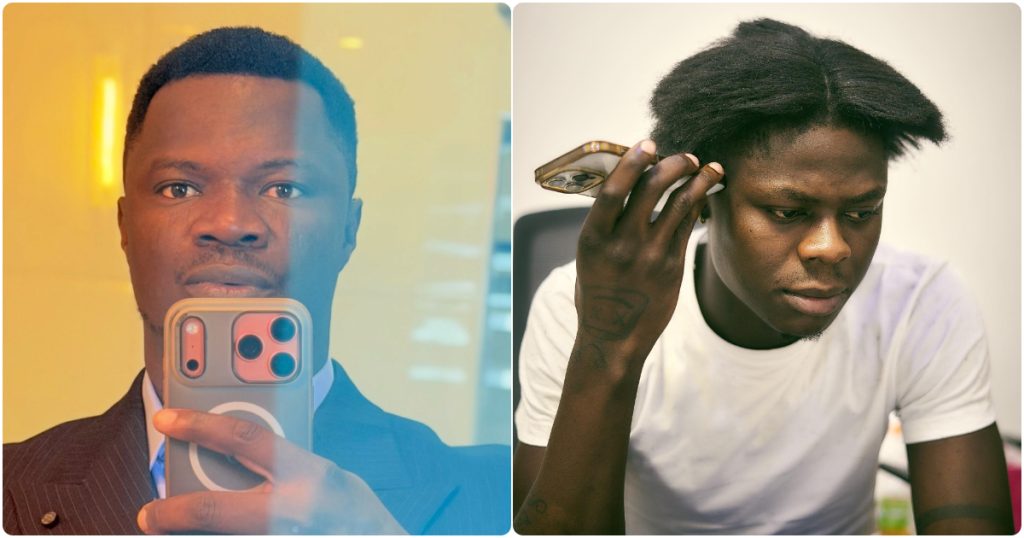
Burial controversies: Who decides where dead loved one should rest?
Mohbad’s family hurriedly buried him on 13 September, 2025, the day after his death, before public pressure led to his exhumation and demand for an autopsy.
Three years later, the dispute over his final burial remains unresolved. His father, Joseph Aloba, who had earlier buried him, has linked the planned reburial to the ongoing DNA dispute involving Mohbad’s son, Liam. In October 2026, the court adjourned proceedings in the paternity case until 16 November.
Toluwanisings’ burial controversy emerged before his funeral. His father reportedly favours burying him at the house he built in Ibadan or beside his late mother in Ikirun, Osun State. His widow, Akanbi Elizabeth, reportedly prefers a church burial ground or public cemetery.
These disputes raise an important question: when a married person dies, how should the wishes of the surviving spouse, parents and wider family be balanced?
Cultural traditions and family ties matter. However, the bereaved spouse and children also have emotional needs and practical concerns. A burial should not become a contest over who holds the greatest authority over the deceased.
READ ALSO: Toluwanisings: 10 Songs That Will Keep His Gospel Legacy Alive
When grief becomes a public spectacle on social media
Social media has played a significant role in both cases. It has helped families seek attention, encouraged public interest and amplified calls for investigations.
However, online attention also creates risks. Many unverified allegations have quickly become accepted as facts, while disagreements between relatives turn into public battles.
In Mohbad’s case, the unresolved questions surrounding his death became intertwined with disputes over paternity, family recognition and estate matters. His widow and father have publicly expressed differing positions on aspects of the DNA process.
And for Toluwanisings, the dispute over burial arrangements has unfolded alongside calls for an investigation. Meanwhile, gospel singer Tope Alabi has threatened legal action over allegations linking her to his death. Such allegations must not be treated as evidence of wrongdoing.
The danger is that the public can become more invested in the conflict than in the person who died.
When families’ disputes overshadow loss and search for truth
There is a legitimate public interest in understanding the circumstances surrounding both deaths. But the process requires evidence, credible investigations and respect for due process.
For Mohbad, the unresolved cause of death and the ongoing legal proceedings continue to shape the family’s decisions about his remains.
And for Toluwanisings, the reported hospital-rejection claims require independent verification, while the family’s request for an investigation deserves consideration through the appropriate authorities.
Neither family conflict proves that a relative caused a death. Nor should a disagreement over burial arrangements be treated as evidence of guilt.
The responsible approach is to separate established facts from allegations and allow investigations to determine what happened.
What Mohbad and Toluwanisings’ deaths reveal about Nigerian families
The cases expose a painful reality: death does not always bring families together. Sometimes, it brings longstanding grievances, competing expectations and unresolved tensions to the surface.
Questions about inheritance, paternity, burial traditions and family recognition can become especially contentious when the deceased was a public figure like Mohbad and Toluwanisings.
Fame adds another complication. Every statement can become a headline, every disagreement can attract online judgement, and private grief can unfold before millions of strangers.
Ultimately, families need clear communication and fair processes for resolving disputes. Authorities must investigate credible concerns, while the public and media should resist turning allegations into verdicts.
The most important question is not simply who will bury Mohbad or Toluwanisings, but whether their families can find answers without allowing conflict to eclipse their lives and legacies.
Their stories are different, but both remind us that the treatment of the dead reflects how the living handle grief, power, family responsibility and truth.
READ MORE: Mohbad: ‘DNA Is Not Recognised’ – Lawyer Explains How Nigerian Law Determines a Child’s Father

About The Author