





People often look at brilliant music videos and assume the directors are swimming in the same money and lifestyle as artists. However, TG Omori, one of Nigeria’s most recognized music video directors, says that’s one of the biggest misconceptions about the job.
The Myth of the Rich Director
In a recent interview on the Afropolitan podcast, Nigerian music video director TG Omori explained that the truth is far less glamorous.
He said that when a big budget is announced, many assume the director gets most of it for himself. In reality, the money, he said, mainly covers the production crew, locations, equipment, talent, etc. Omori said that, many times, by the time everything is paid, the director can walk away with little or nothing. Some even go into debt just to bring their vision to life. 
“People don’t know how broke and how lonely and how frustrating the life of a director is,” he says. “People think it’s all beautiful and all rosy.”
In addition, Omori stressed that there is pressure to deliver videos that match or exceed the artist’s expectations. This pressure often means sacrificing personal finances, sleep, and peace of mind. In an industry where the final product on screen is a measure of success, the people behind the camera rarely get the same recognition or the rewards.
SEE ALSO: Davido’s Sister Sharon Ademefun Reveals Why She Can’t Be Friends With His ‘Obsessive’ Fans
Music Video Directors Do More With Less in Nigeria
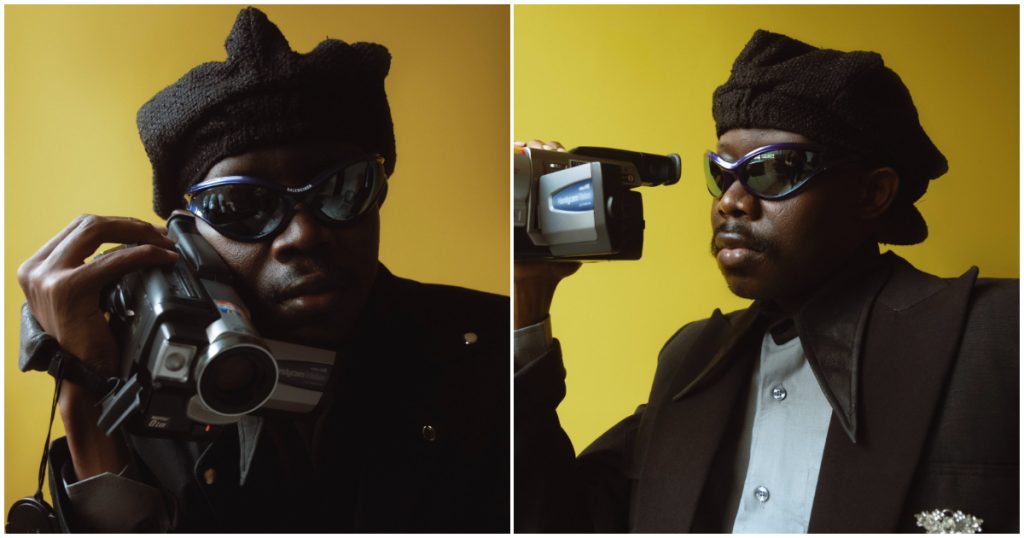
According to Omori who has directed videos for Asake, Davido, Burna Boy, and many more music artists, working in Nigeria adds another layer of difficulty. He said that unlike Hollywood, where departments are fully staffed and specialized, Nigerian crews are often smaller, so directors frequently have to step into multiple roles.
He recalled earlier days when he had to handle his own cinematography and lighting because the teams in charge weren’t available. Then, stylists and set designers were rare; sometimes models had to show up in their own clothes from home. Although the industry has grown, with more creative departments emerging. Omori said the director still carries the weight of making sure every detail aligns with the vision.
The Real Cost of Big Budgets
Omori was careful about discussing exact figures because filmmaking is subjective and numbers can scare people or undervalue the craft. However, he notes that some videos he shot in places like Las Vegas or Los Angeles climb well above $100,000.
He explained that those costs cover insurance, hourly rates, and the higher price of doing business in the U.S. In Nigeria, similar budgets are possible, and the lower cost of labour can leave more room for profit. Omori, however, noted that this comes with its own trade-off: constant supervision.
“You’re going to sacrifice your sleep and your time to make it happen,” he said.
He explained that getting the best out of local artisans means watching every step of the process closely. Directors get to save more, but the toll on health and energy is real.
Omori concluded that contrary to what many assume, the lifestyle and the financial rewards that fans associate with the industry usually belong to the faces in front of the camera, not behind it.

About The Author