



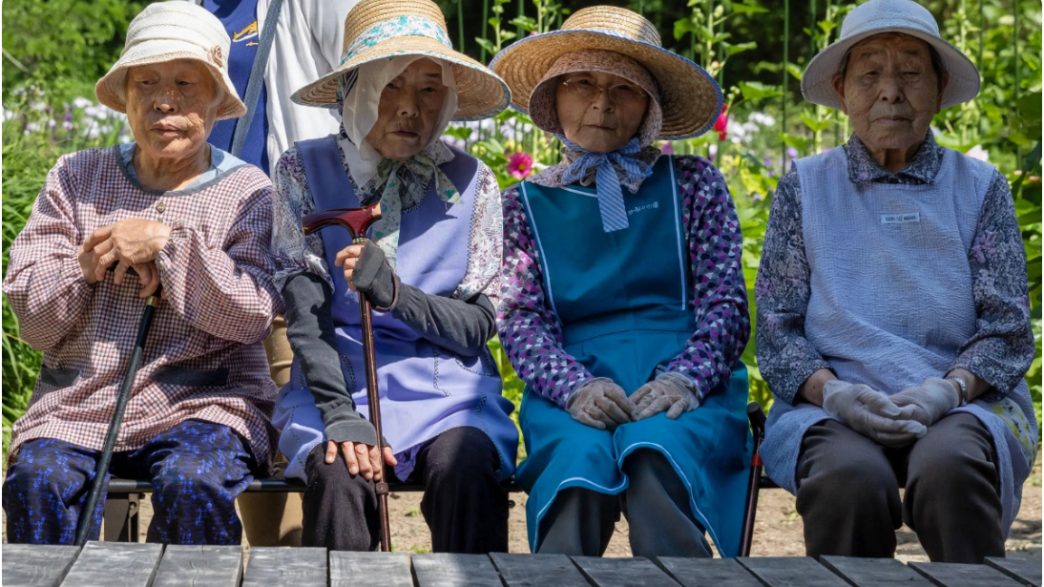
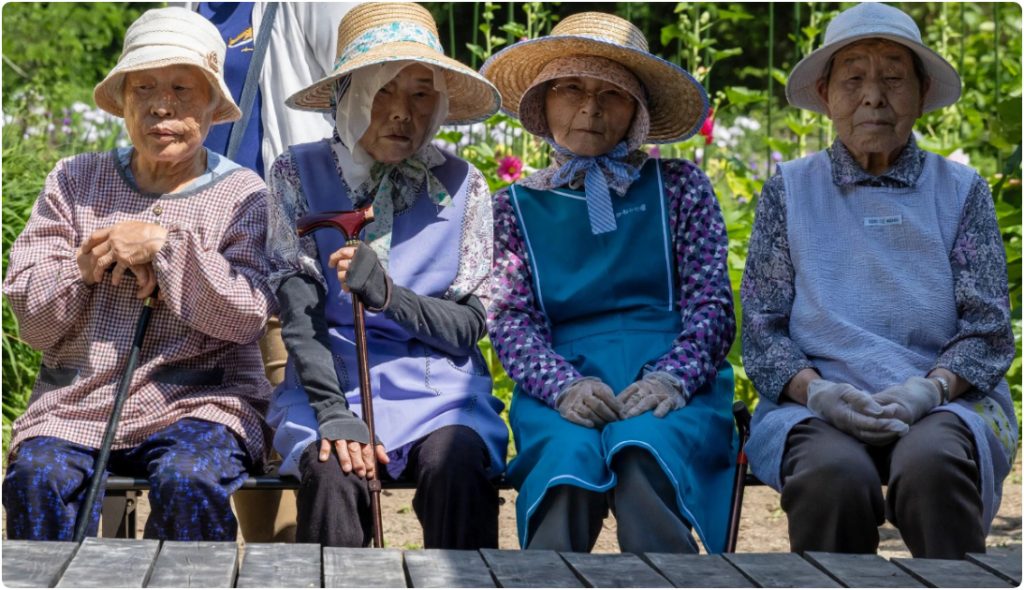
Japan has reached a remarkable longevity milestone, with over 100,000 people now aged 100 or older. New figures from Japan’s Ministry of Health, Labour and Welfare show that the country has 107,677 centenarians.
The figure represents an increase of 7,914 people from the previous year. It also marks the 56th consecutive year that Japan’s centenarian population has grown.
However, the milestone comes as the country faces a growing demographic challenge. Japan’s ageing population is expanding while its birth rate continues to fall. 
Women make up 88%
Women account for the overwhelming majority of Japan’s centenarians. The ministry recorded 94,298 women aged 100 or older, compared with 13,379 men. Women therefore represent about 88 per cent of the total.
Japan’s oldest woman is Fuyo Kishimoto, a 114-year-old resident of Kyoto. Meanwhile, Hikaru Kato, aged 112, is the country’s oldest man.
Experts have offered several explanations for the gender gap. They include differences in lifestyle, employment patterns and social connections.
Healthy living supports longevity
Japan has long been recognised for its high life expectancy and ageing population.
Health Minister Kenichiro Ueno welcomed the latest figures. He credited medical advances, quality healthcare, healthy diets and active lifestyles for helping people live longer.
“I’m very pleased that many people are living long, healthy and active lives,” Ueno said.
He also stressed the importance of maintaining strong social safety nets as Japan’s population continues to age. The country’s life expectancy stood at about 84 years in 2024, according to World Bank data.
Population decline raises concerns
Despite the longevity milestone, Japan faces serious demographic pressures. The country’s fertility rate fell to a record low of 1.14 in 2025. That remains well below the replacement level of about 2.1 births per woman.
Japan’s 2020 census recorded a population of roughly 126 million. Almost 30 per cent were aged 65 or older.
Projections suggest the population could fall to about 87 million by 2070. Nearly 40 per cent could then be aged 65 or above.
READ ALSO: “We Barely Fight” – 120-Year-Old Nigerian Man Reveals How He Has Managed 4 Wives for Over 90 Years
Young people increasingly avoid marriage
The demographic crisis is also linked to changing attitudes towards marriage. A recent survey found that more than 20 per cent of single Japanese adults aged 18 to 34 do not intend to marry. Nearly half said they saw no benefit in marriage.
Ueno cited the high cost of raising children and pressures on working parents as factors behind the trend.
Thus, Japan’s record number of centenarians reflects both remarkable longevity and a rapidly ageing society facing difficult demographic realities.

About The Author