


The Economic and Financial Crimes Commission (EFCC) has called on legal practitioners across Nigeria to stop the practice of charging clients in foreign currencies.
Referring to the practice as illegal and unethical, the commission warned that it will not hesitate to prosecute anyone found culpable.
The directive was issued on Friday, September 11, 2026, in Lagos by Acting Zonal Director of the EFCC’s Lagos Zonal Directorate 2, ACE I Bawa Usman Kaltungo. 
The EFCC shared details of the meeting in a post on its official X account on September 14, 2026.
SEE ALSO: How to Check If You’re Eligible for an Ikeja Electric MAP Meter Refund
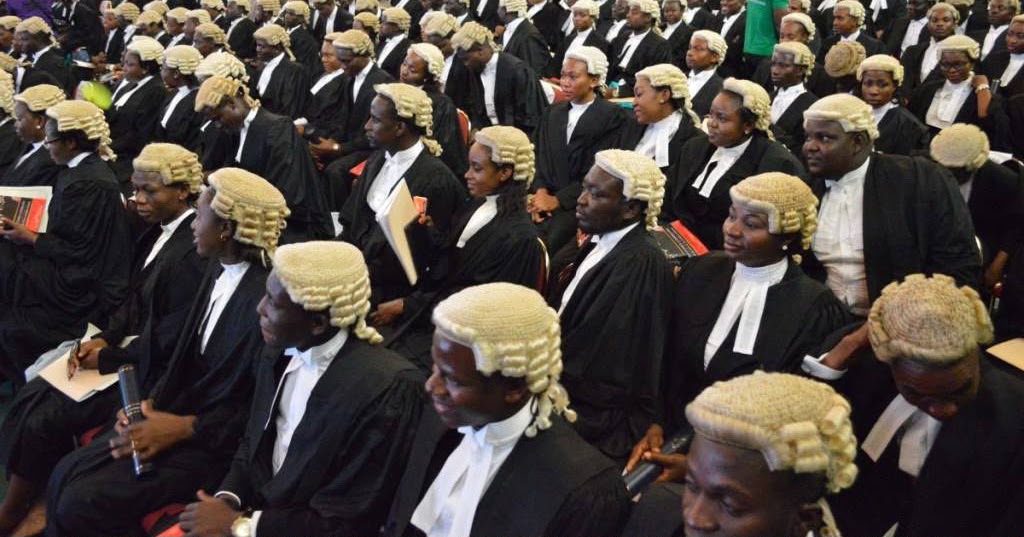
He made the remarks while receiving a delegation from the Nigerian Bar Association (NBA) Lagos Task Force on Illegal Practice of Law. The team was led by its Head, Moshood Abiola, on a courtesy visit to his office.
During the interactive session, Kaltungo expressed concern over lawyers engaging in practices that violate professional and legal standards.
He specifically highlighted charging of fees in foreign currencies as an activity the commission views as both illegal and unethical.
The EFCC’s position aligns with its broader efforts to combat the dollarisation of domestic transactions.
SEE ALSO: Exclusive: Chowdeck Riders Reveal Their Real Weekly Earnings After CEO’s ₦100,000 Salary Claim
It also aims to strengthen oversight of designated non-financial businesses and professions. This includes law firms, through its Special Control Unit Against Money Laundering (SCUML). SCUML monitors compliance with Nigeria’s anti-money laundering laws and regulations.
This latest warning continues the commission’s campaign against the use of foreign currencies for transactions that should be conducted in naira within the country.
Similar advisories have previously targeted schools, hotels, supermarkets, and other businesses.

About The Author