


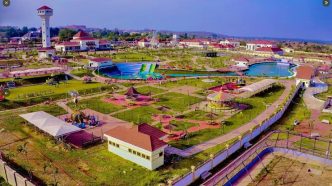
Nollywood industry has shifted from improvised on-location shoots toward dedicated film villages.
Film villages are dedicated permanent spaces with sets, cultural architecture, lodging, and film production support. Some of them double as tourism or training centres.
The use of film villages reduces headaches from logistics, lowers costs of film production, and also supports epic storytelling in film production. Film villages that double as tourist centres create local economic and tourism opportunities. 
The number of film villages in Nigeria is not fixed, as the industry is expanding with private investment by filmmakers themselves. There are many film villages in Oyo State because of the available land, strong cultural settings for Yoruba-language and epic productions, lower costs relative to Lagos, and proximity to talent.
SEE ALSO: “We Had No Accommodation”: Kunle Afolayan Reveals How ‘Anikulapo’ Inspired His Film Resort
6 Major Film Villages in Nigeria
1. KAP Film Village and Resort
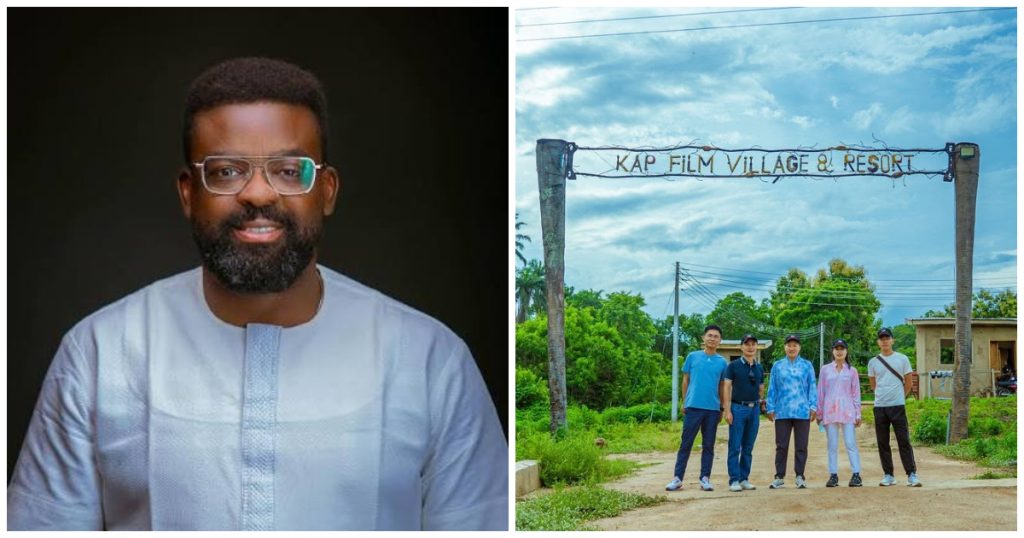
Kunle Afolayan Productions (KAP) Village and Resort was founded by actor, screenwriter, director, and producer Kunle Afolayan. The facility combines production backlots with resort amenities including lodging, cultural spaces, and trails. It spans tens of acres and has become a model for blending filmmaking and tourism. Major Netflix projects like Aníkúlápó and Jagun Jagun have been set in the KAP Film Village and Resort.
2. Africhatta Film Village and Resort
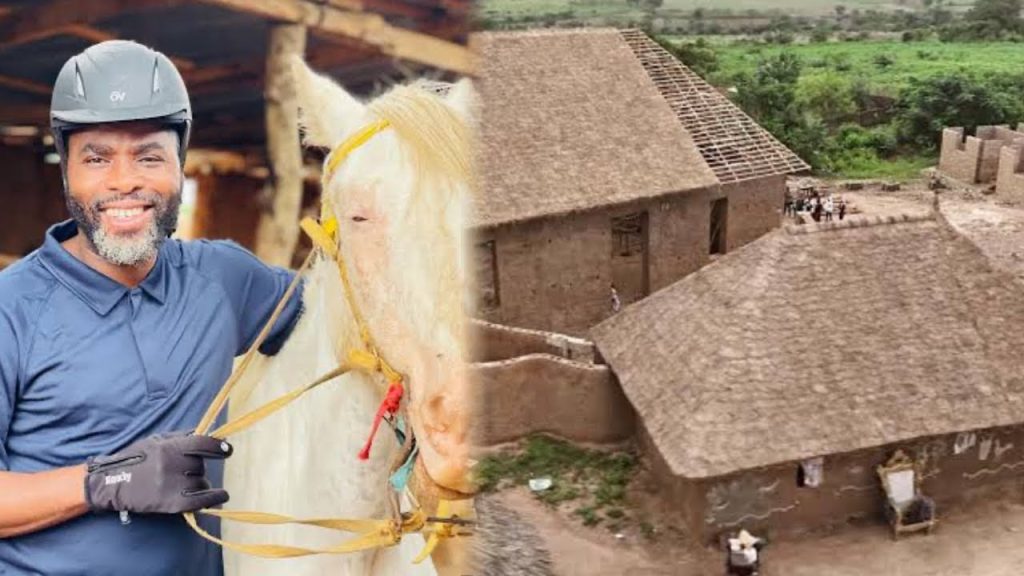
Africhatta Film Village and Resort is owned by actor, producer, and director, Ibrahim Chatta. Located in Oyo town in Oyo State sits on roughly 74 acres with traditional Yoruba architecture, village sets, accommodation, and leisure facilities. The film village, which has a strong focus on Yoruba cultural heritage storytelling, has had several movies set on it, including Lisabi, Osoronga, Eleran, and Labake Olododo. It also hosts film production training.
3. Okiki Films Village
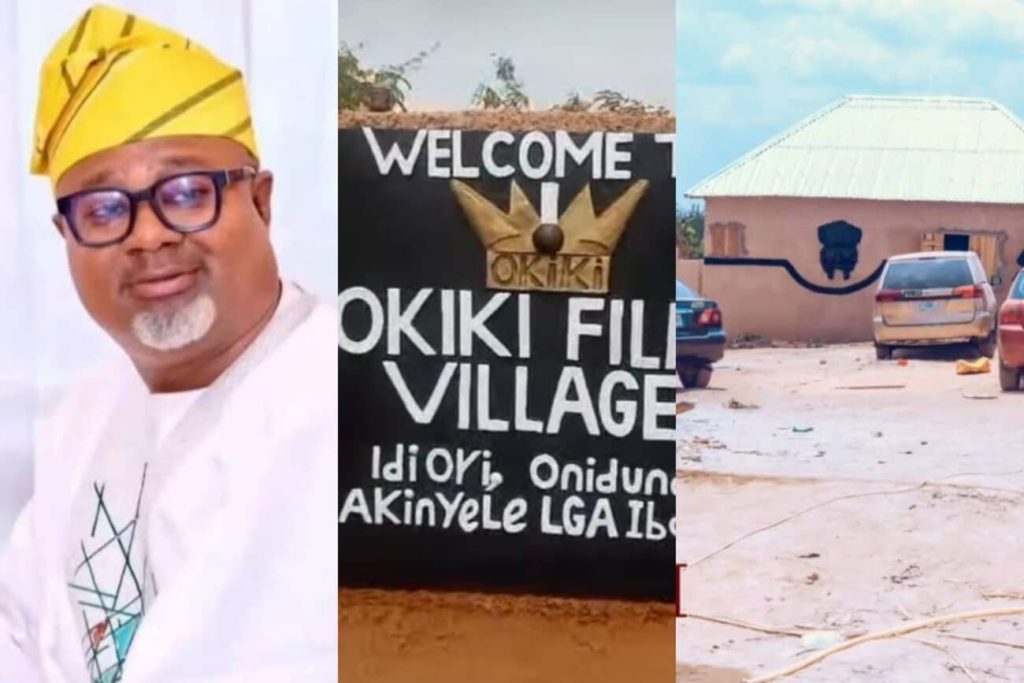
Okiki Films Village was unveiled in March 2026 by Sunday Esan, the CEO of Okiki Films and Records International. Okiki Films Village, which sits on about seven acres, features traditional mud houses and settings inspired by pre-colonial settings. Geared toward historical epics and cultural preservation, the film village is located in Akinyele, Ibadan, Oyo State. The epic indigenous film, Amo Bioye So, was shot in Okiki Films Village
4. BAP Film Village
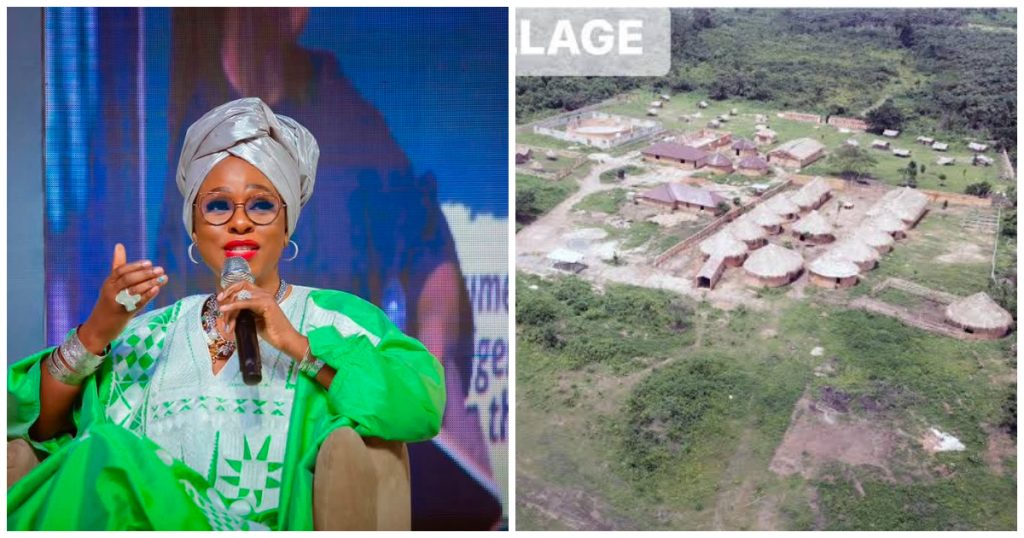
The Bolanle Austen-Peters (BAP) Film Village, located in Epe, Lagos State, was developed by filmmaker, theatre director, and producer Bolanle Austen-Peters in 2024. The facility is reported to sit on over 10,000 acres with rolling hills and cultural structures. The BAP Film Village was used as a location set for House of Ga’a. It is open to other filmmakers and excursions and is recognised as Lagos’s major entry into the film village model.
6. Ibudo Asa Film Village
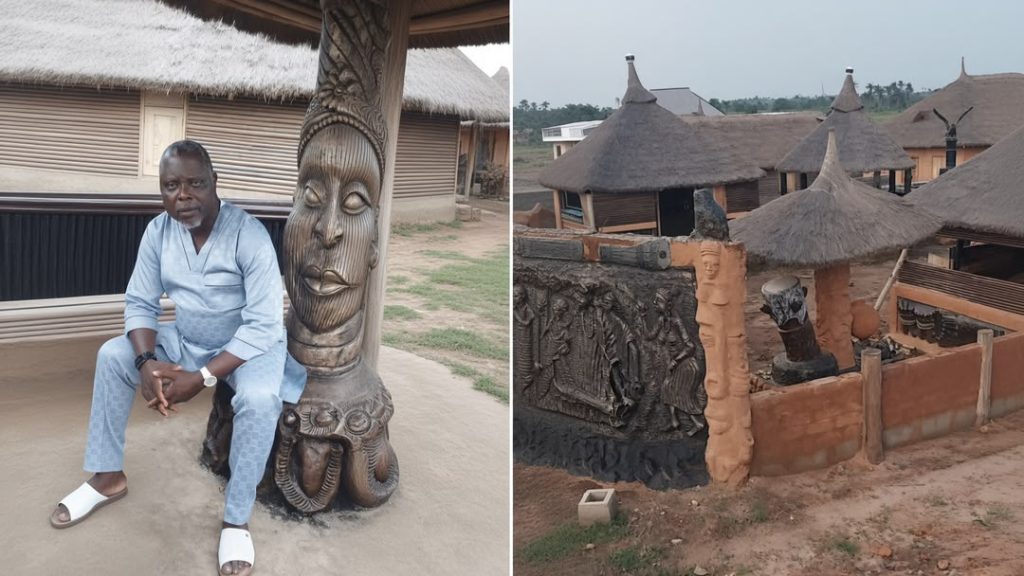
Veteran actor Dele Odule developed Ibudo Asa Film Village in Ijebu-Oru, Ogun State. The film village is heritage-focused with traditional compounds, mud and thatched buildings, palace-like sets, and spaces for production, workshops, and cultural tourism/reenactments.
7. Maryam Babangida Leisure Park and Film Village
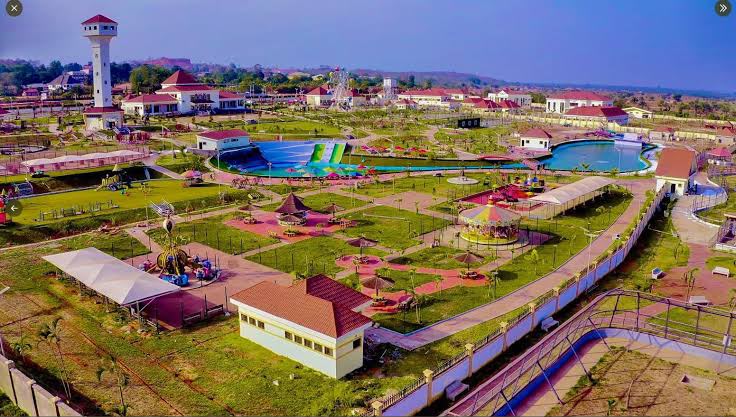
Maryam Babangida Leisure Park and Film Village, which is located in Delta State, is frequently cited as a central, longer-established production destination tied to the region’s strong Nollywood role. It has sets, residential facilities for crew, and related infrastructure. Films like Ghetto Blues, Asia: The Love Covenant, and countless Africa Magic / ROK TV indigenous language and epic village films were shot in Maryam Babangida Leisure Park and Film Village.
There are some film villages still under construction or at early stages, and new private initiatives continue to appear-especially in the Southwest region of the country.

About The Author