




In a society where marriage is often treated as a woman’s ultimate destination and proof of success, a handful of prominent Nigerian women have long stood out for refusing to play along.
These women, some feminists, questioned the pressure, rejected the idea that singlehood equals failure, and openly insisted that a ring or a Mrs. title does not measure a woman’s worth. They also challenged traditions that diminish female agency.
Their followers celebrated them as voices of independence. Then they got married-and the internet lost its collective mind. 
Their weddings and engagements sent shockwaves through Nigerian social media: not because they married, but because their earlier critiques of patriarchal norms made the choice feel, to many, like a plot twist.
SEE ALSO:
Here they are:
Chimamanda Ngozi Adichie
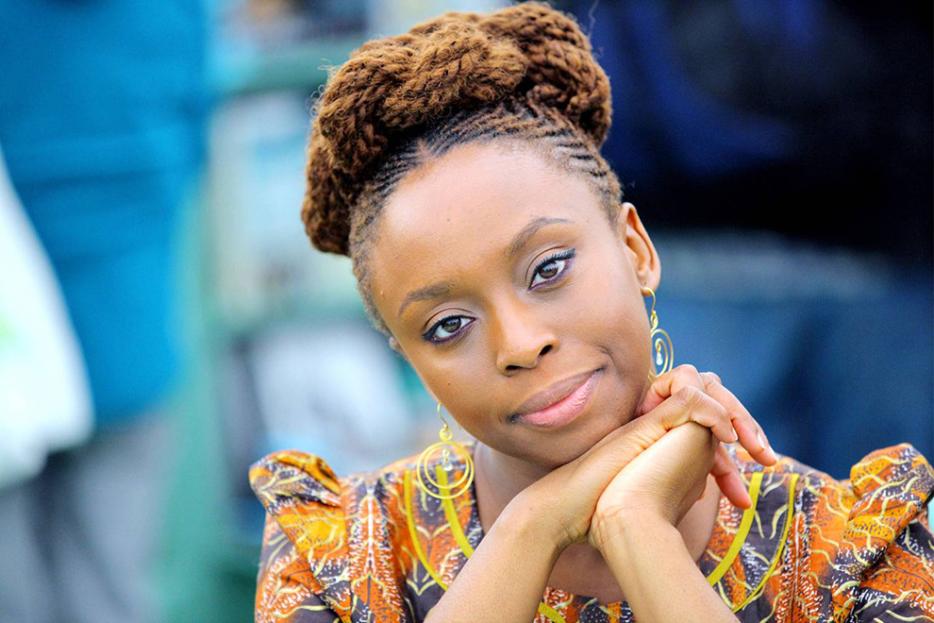
Adichie, a renowned Nigerian author of Half of a Yellow Sun, Americanah, and We Should All Be Feminists, is a prominent feminist voice who has critiqued traditional expectations around marriage, particularly.
There were trickles of information that she was married until she personally confirmed her marriage to Nigerian doctor Ivara Esege in an Instagram post meant to honour her late mother. Before this post, they had been married for 12 years (since 2009).
Many who had looked up to her and her critical views about marriage were disappointed. However, contrary to their perception, Adichie wasn’t against marriage as a woman. Adichie has extensively challenged patriarchal and traditional social expectations around marriage. In her book and interviews, she critiques how societies condition girls to view marriage as their ultimate goal.
In public interviews, she famously insisted on keeping her birth name (and without the ‘Mrs’ title) rather than taking her husband’s surname, challenging the assumption that marriage requires a woman to absorb her partner’s identity. In a post by Brittle Paper, she says:
“The value we give to ‘Mrs.’ means that marriage changes the social status of a woman, but not that of a man… I have observed too many cases of men and women who loudly and proudly speak of the title of Mrs. as though those who are not Mrs. have somehow failed at something.”
Fisayo Longe
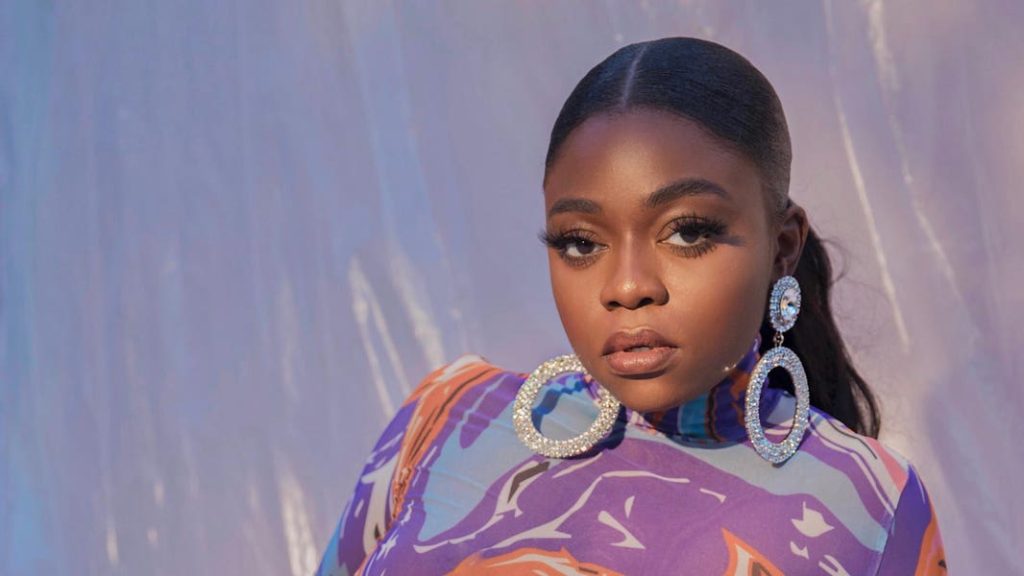
After Fisayo Longe, the CEO of Kai Collective announced her engagement in May 2025 with a proposal video, critics on X and elsewhere resurfaced her older posts from 2020 that questioned and criticised marriage and societal pressure around it. They accused her of hypocrisy or of discouraging women from marrying.
Although her views centred on independence and rejecting pressure rather than a blanket “don’t marry” message, a certain woman was upset that Longe “influenced girls like her daughter not to get married and then went and got engaged.”
Here are a few of her tweets that match the “anti-marriage / questioning marriage” interpretations the critics used:
- February 25, 2020: “Mad that women see an engagement as ‘the finish line. I hate it here:(“
- January 29, 2020: “Me! But not even the last sentence. I think I’d love to be with the same person forever. I just don’t see why we should marry.”
- October 6, 2020 (reply): “Is marriage even a happily ever after?”
Kemi Adetiba
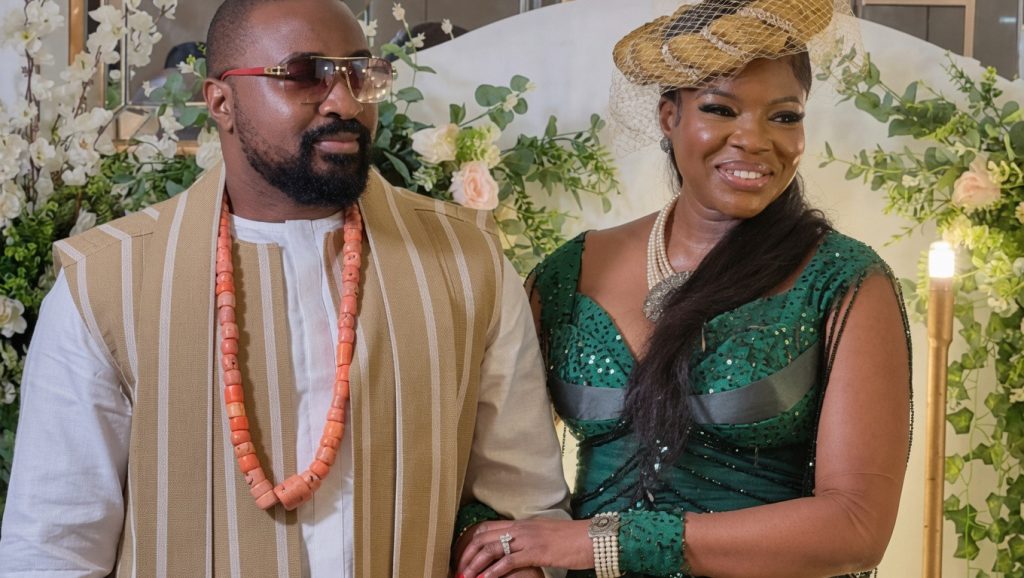
Kemi Adetiba is a Nigerian filmmaker and director known for The Wedding Party, King of Boys, To Kill a Monkey, e.t.c. She openly discusses being content while single and rejecting the idea that marriage or kids define a woman’s worth or serve as her “crowning glory.”
In November 2017, when she was 37, she shared a video of Tracee Ellis Ross’s Glamour Women of the Year speech about how being unmarried does not invalidate achievements, and added her own caption:
“…I will be 38 in just over a month and a half, and while I would LOVE to be married (to my God-chosen companion and best friend) and have child(ren), l am very comfortable with the knowledge that my life is just as valid, and beautiful, and happy, and successful, if for some reason that never comes to pass. Marriage and kids are not my ‘crowning glory’… It’s another BEAUTIFUL step in life I would love to take. I’d also love to make (and keep) a billion dollars in my lifetime, but | won’t be any less of a woman or Kemi Adetiba if that didn’t come to pass either.
No… I’m not comparing the two. I’m just highlighting it doesn’t diminish a (Wo) man’s -Kemi Adetiba’s – worth if it never happens.”
This directly matches “being content while single and rejecting societal pressure to marry,” rather than “I don’t want marriage.”
She wed Oscar Heman-Ackah in a relatively low-key ceremony in April 2022. There was ambient online discussion about her earlier messaging about independence clashing with the eventual marriage which is common in Nigerian social media discourse around high-profile women.
SEE ALSO: “My Wedding Was Staged to Gauge Public Reaction” – GehGeh Clarifies
Nkechi Bianze
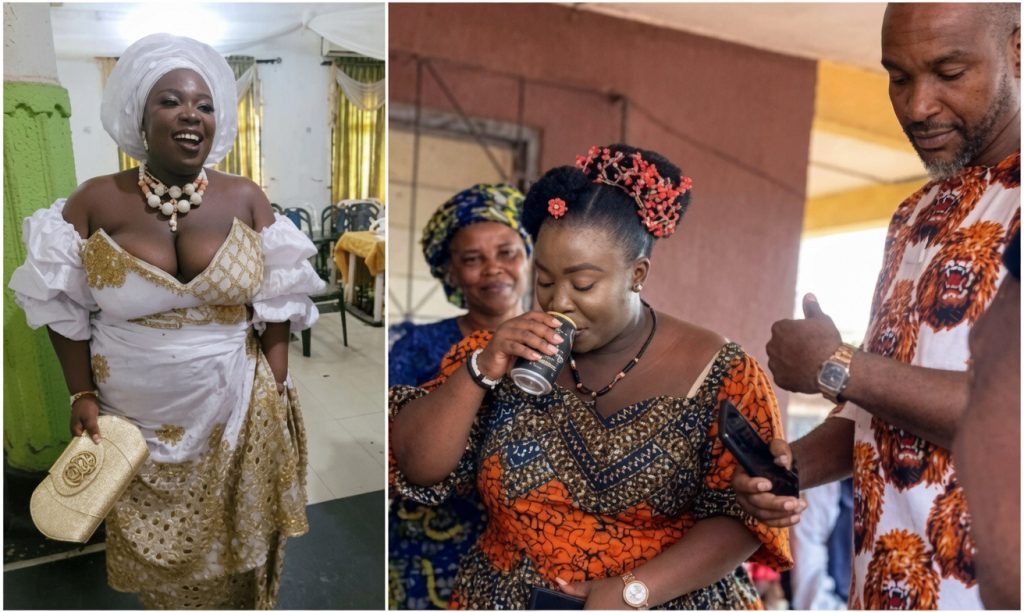
Nkechi Bianze is a prominent Nigerian feminist and social media commentator. She made headlines in July 2021 when she married her partner, Prince Ifeanyi Mmadinobi, in a traditional wedding that intentionally modified customary rites to align with her feminist beliefs.
Her traditional marriage ceremony took place on July 17, 2021, in Agbor, Delta State. In line with her longstanding critique of bride price as a financialized practice that treats women as commodities, no bride price was requested or paid during the marital rites by her husband who is from Imo state.
In standard Igbo/Delta-Igbo traditional ceremonies, the bride kneels before her husband to present him a cup of palm wine as a sign of submission and respect. Bianze rejected this gesture. Instead, both she and her husband stood together while drinking from the cup.
Rather than abandoning traditional cultural forms entirely, she demonstrated that customary African weddings can be adapted to respect female agency, equality, and mutual respect without sacrificing familial and community celebration.
These four never said women shouldn’t marry, they challenged the idea that women must. When these outspoken Nigerian women eventually tied the knot, social media called it a contradiction. Their stories reveal something more nuanced: rejecting marriage pressure isn’t the same as rejecting marriage.

About The Author