


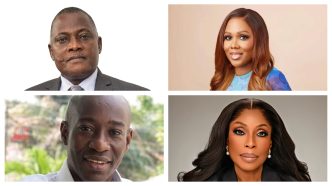
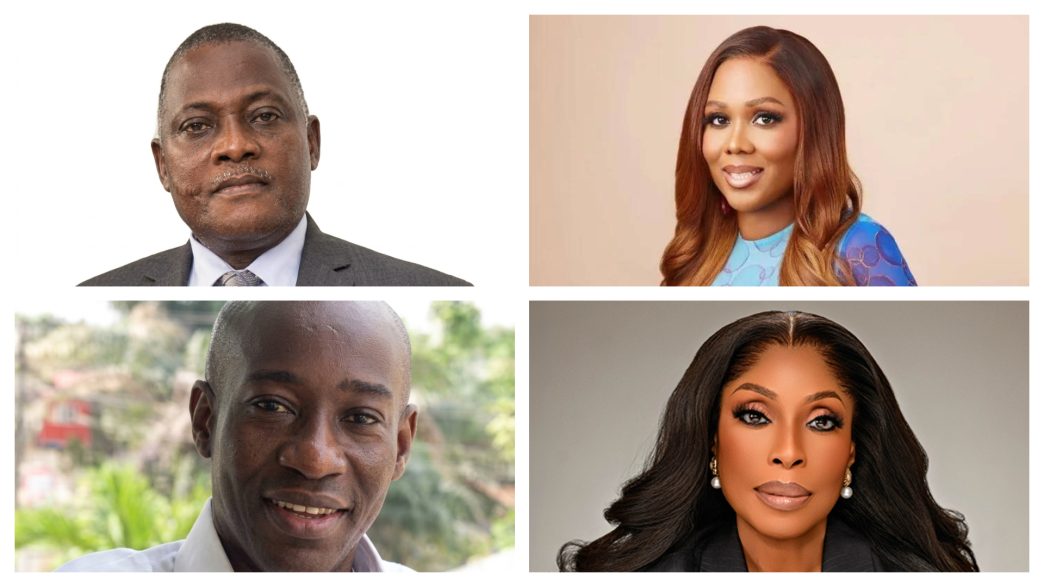
Every major brand begins with an individual. Behind the apps we stream, the cars we drive, the medicines in our pharmacy, and the food we grab on the go, there are Nigerians who took an idea and transformed it into something national; sometimes even global.
They started in bedrooms, spare parts markets, small shops, and corporate jobs abroad. Today, their companies employ thousands, influence culture, and put ‘Made in Nigeria’ on the map.
Here are the faces behind them: 
1. Uche Pedro: BellaNaija
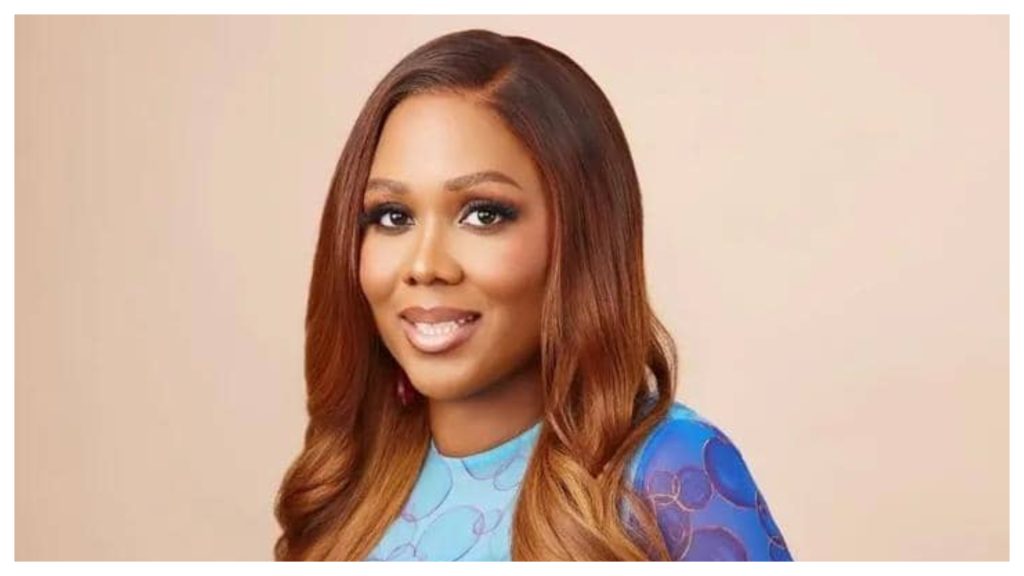
Uche Pedro founded BellaNaija in July 2006 while working in corporate jobs in Canada. What began as a personal lifestyle blog grew into Africa’s leading digital media, style, and wedding brand; pioneering online fashion, entertainment, and lifestyle content in Nigeria and across the continent before most people had a clear idea of what digital media in Africa could look like.
Her work earned her the Forbes Woman Africa New Media Award in 2019. Forbes also named her one of its 30 Most Promising Young Entrepreneurs in Africa in 2014 and 2015. Today, she is widely recognised as a pioneer of digital media and women’s empowerment in Nigeria, having built her reputation on a blog she started for herself.
2. Chief Dr Innocent Chukwuma: Innoson Vehicle Manufacturing
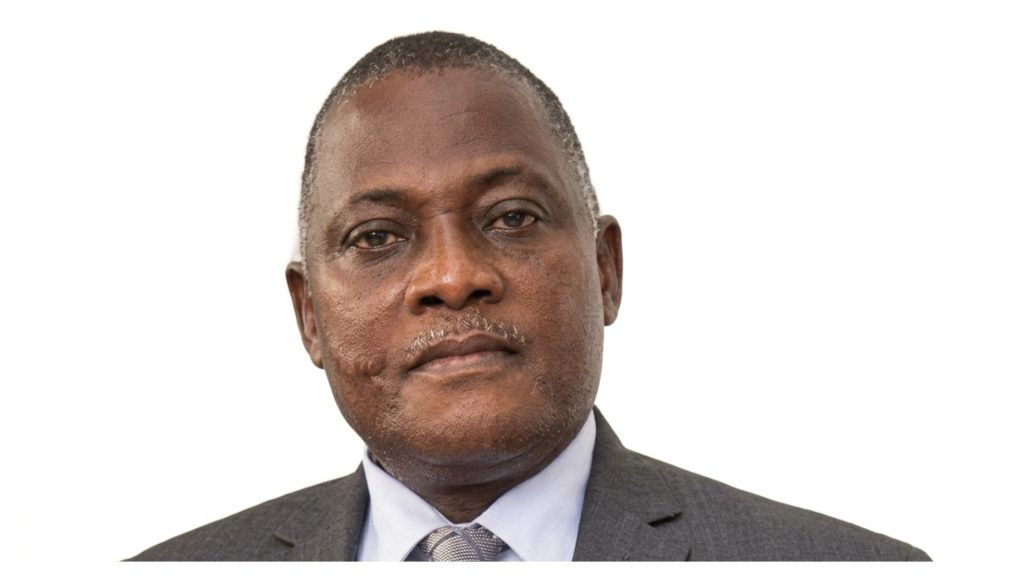
Chief Innocent Chukwuma is the founder of Innoson Vehicle Manufacturing; Nigeria’s first wholly indigenous car manufacturing company. Born on 1 October 1961 in Nnewi, Anambra State, the youngest of six children, he skipped university after secondary school in 1978 and went straight into trading, apprenticing in motorcycle spare parts.
His breakthrough came from rethinking unit economics. While competitors imported fully assembled motorcycles, he imported them disassembled. One container that previously held 40 bikes could now carry 200 bikes, making brand-new motorcycles cheaper than used imports for millions of Nigerians.
In 2002, he launched Innocent Technical and Industrial Limited, now Nigeria’s largest plastic manufacturing plant. In 2007, he founded IVM, and by 2010 the plant was producing commercial and utility vehicles built specifically for African roads. Under his leadership, the Innoson Group employs approximately 8,000 people, with roughly 70 per cent of vehicle components sourced locally. The company is also exploring CNG buses and Nigeria’s first locally made electric vehicles.
3. Jason Njoku: iROKOtv
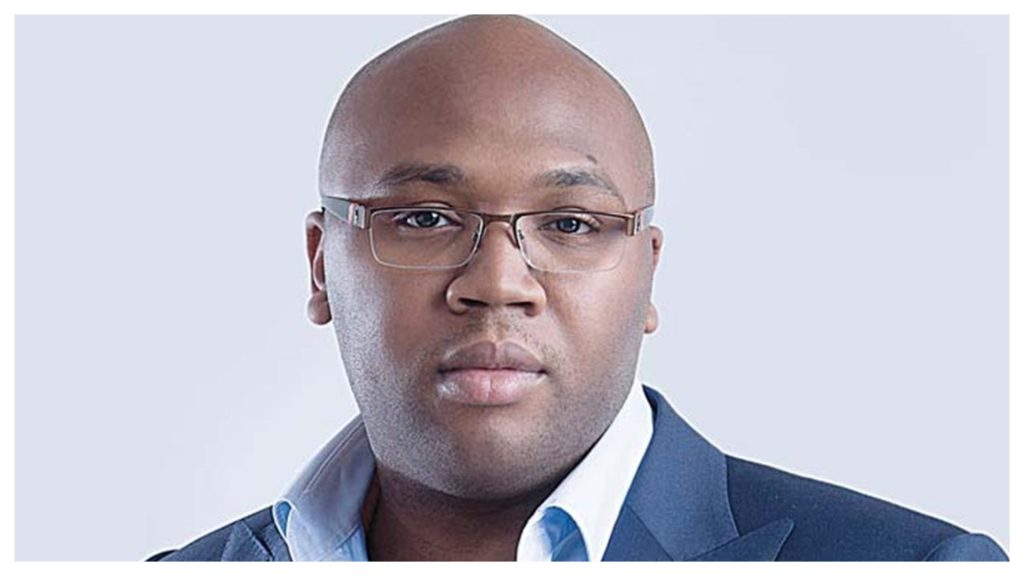
iROKOtv was co-founded by British-Nigerian entrepreneur Jason Njoku and Bastian Gotter in December 2010. It launched in late 2011 as iROKO Partners, based in London, with a clear aim: to create a legal, global home for Nollywood films. At its peak, it was being hailed as the Netflix of Africa.
The company raised significant investment from backers including Tiger Global and Canal+, and over time shifted its focus toward diaspora markets in the United States and United Kingdom, where subscription revenue proved more sustainable. Jason remains CEO, guiding iROKO through the evolving landscape of African digital entertainment.
SEE ALSO: Inside Chicken Republic’s Strategy for Growth, Quality, and Affordable Meals
4. Deji Akinyanju: Chicken Republic
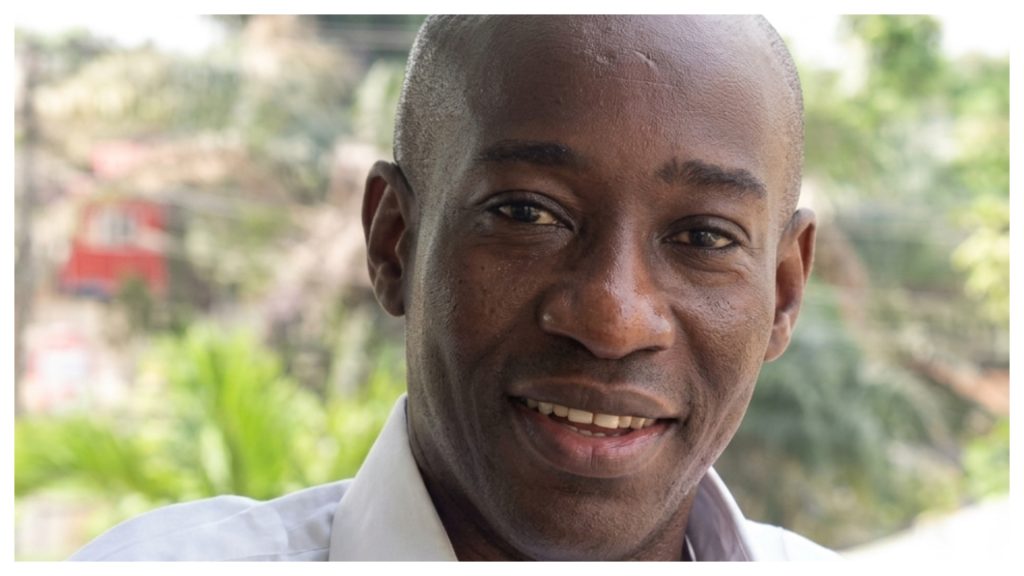
Chicken Republic was established in 2004 by Deji Akinyanju, who opened the first outlet in Apapa, Lagos after returning from the United Kingdom. The brand operates under Food Concepts Plc, supported by veteran industrialist Chief Dele Fajemirokun; Managing Director and CEO Kofi Abunu leads day-to-day operations.
From a single Lagos outlet, Chicken Republic has expanded into one of West Africa’s largest quick-service restaurant chains, with locations across Nigeria and Ghana.
5. Dr Stella Okoli: Emzor Pharmaceuticals
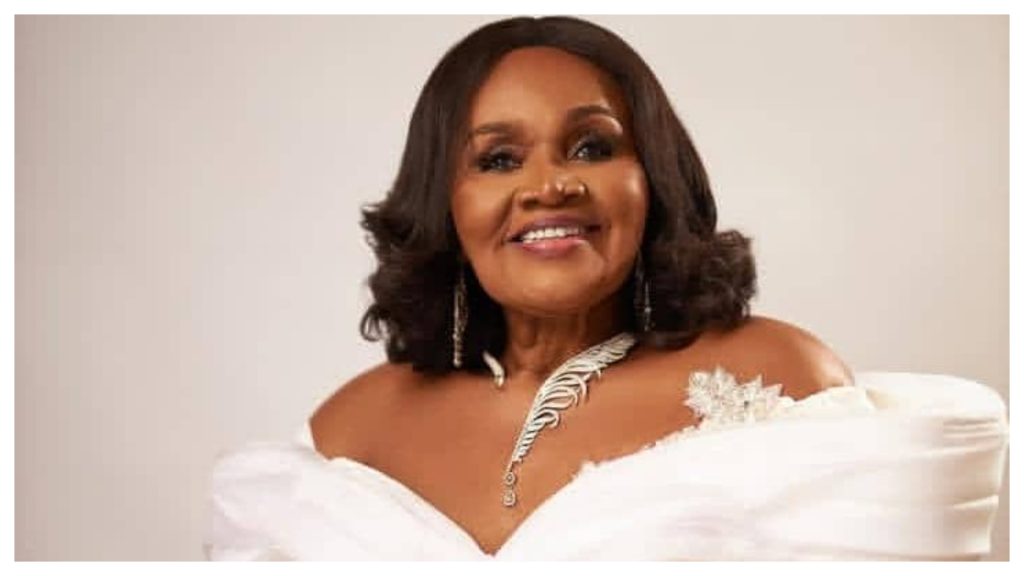
Dr Stella Okoli started in 1977 with a small retail pharmacy called Emzor Chemists in Shomolu, Lagos. It was renamed Emzor Pharmaceutical Industries Limited in 1984 to encourage local drug production. In 1988, she founded Emzor Paracetamol, which became the most popular painkiller in Nigeria and a household name in virtually every Nigerian home.
She holds a B. Pharm from the University of Bradford and an M.Sc from the University of London, and worked with Middlesex Hospital, Boots and Pharma-Deko before starting Emzor. Today the company produces more than 140 essential medicines and employs over 1,500 people. She also serves as Vice President of the Manufacturers Association of Nigeria. After losing her son in 2005, she founded the Chike Okoli Foundation, which promotes cardiovascular health and trains young entrepreneurs.
SEE ALSO: 5 African Women Who Made Forbes’ Most Powerful Women In The World List
6. Mo Abudu: EbonyLife Media
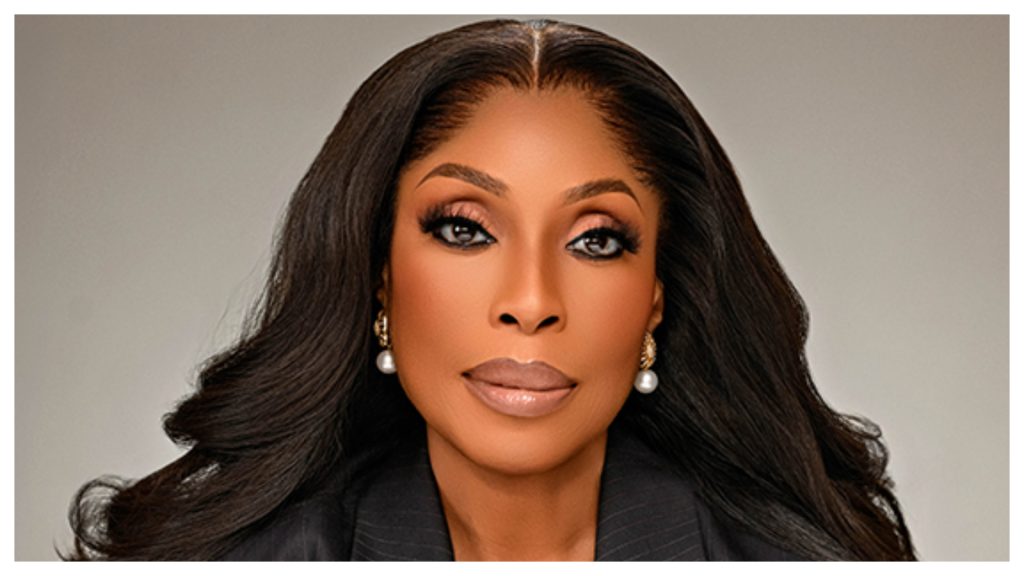
Forbes describes Mo Abudu as ‘Africa’s Most Successful Woman,’ and CNN refers to her as ‘Africa’s Queen of Media.’ Before achieving these accolades, she was an HR executive who decided to build something of her own.
In 2013, she launched EbonyLife TV, Africa’s first global Black entertainment and lifestyle network. Under the EbonyLife Group, she now operates EbonyLife Films and Studios, which is the production company behind The Wedding Party, Chief Daddy, and Netflix’s Blood Sisters, as well as EbonyLife Place, a luxury lifestyle resort in Victoria Island, Lagos, and the EbonyLife Creative Academy, providing free, world-class film and television training to emerging African storytellers.
Globally, she has secured multi-title deals with Sony Pictures, BBC, and Netflix, making EbonyLife Netflix’s largest production partner in Africa. She was the first African to chair the International Emmy Awards Gala and the first to receive the Cannes Médailles d’Honneur. With offices in Lagos, London, and Los Angeles, she is implementing a ‘local for global’ strategy for African stories at a scale never before attempted by an African media company.
About The Author