


After many foreigners have fled back to their countries for safety, some South Africans are making a new demand.
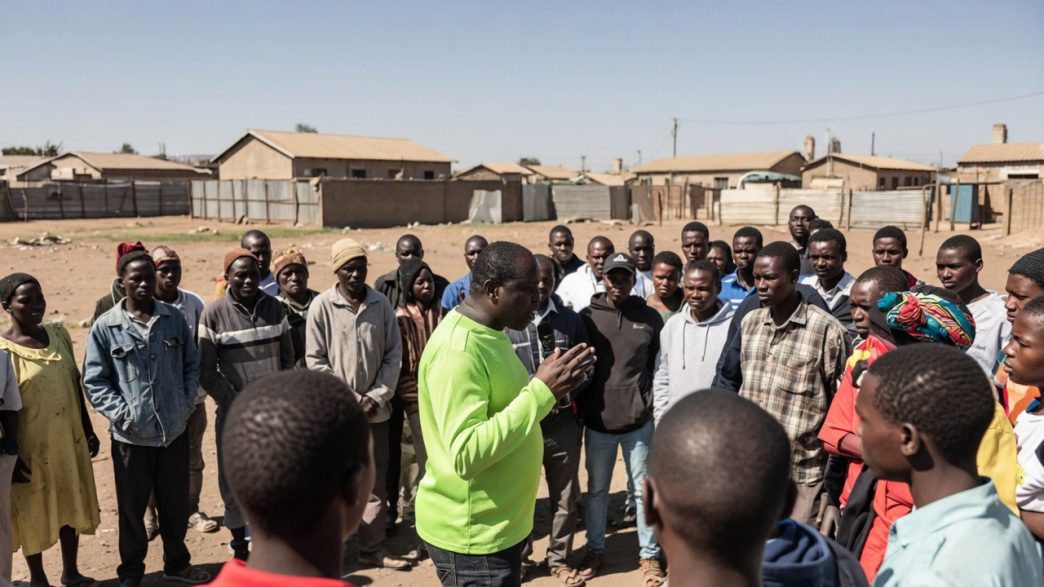
A community leader in Windmill Park stood in front of some fellow South Africans during a recent march and said:
“Now the shops are starting to close down. We should call the councillor and say, ‘Councillor, these shops are closed now; how can government help us as South Africans to get stock and put it in these shops?'” 
SEE ALSO: South Africa Faces the Worst Unemployment Crisis in Africa
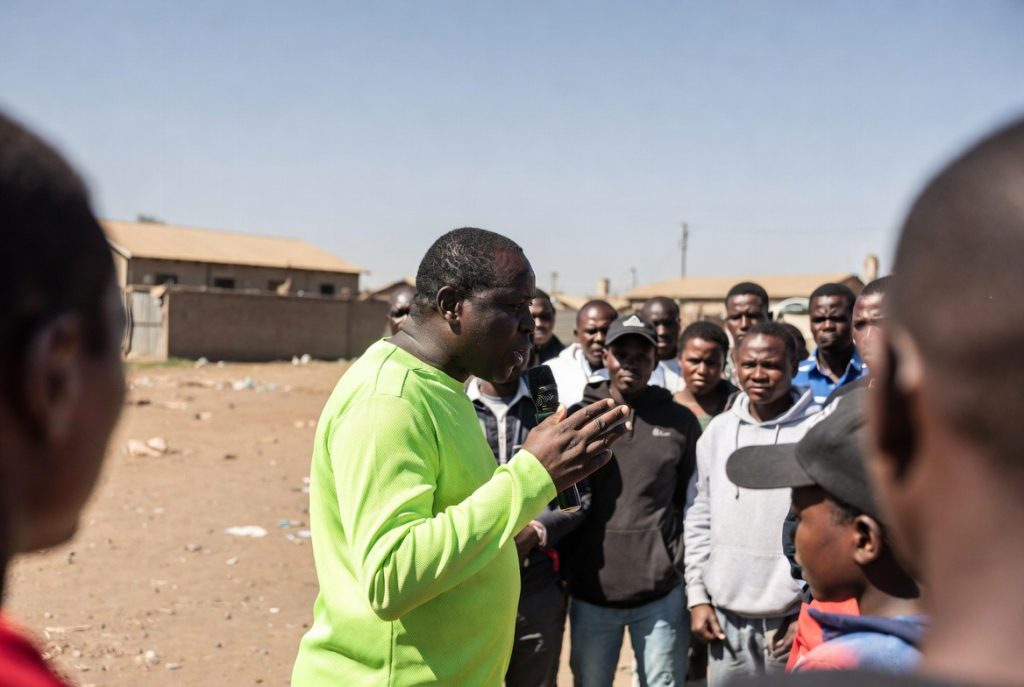
“We shall stand up and go to the local government and say, ‘Please help us, give us money so that we buy stock to fill these shops and sell for ourselves! It’s your right,” instead.
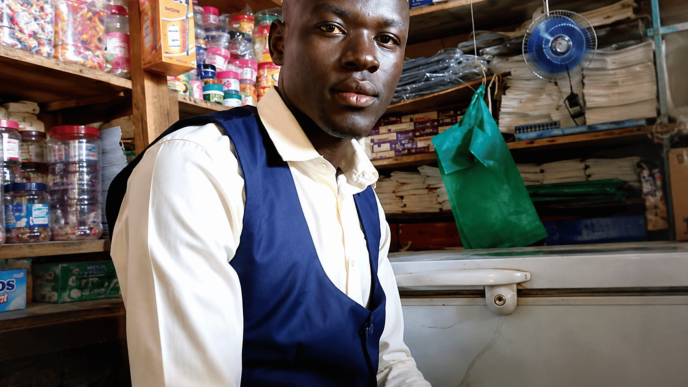
These shops in question are mostly South African foreign-owned spaza shops. In recent months, community protests across several townships in the country have targeted these businesses. Residents have shut them down, pressured the owners to leave, and in some cases taken over the premises.
The stated reasons for this action are mostly economic. The locals say that foreign-run shops dominate the informal trade, undercut South African traders, and take opportunities that should belong to citizens.
“They are taking our jobs,” they say.
Now that many of the foreign owners are gone and the shops stand empty or under new local control, the practical problem has appeared.
They seemed to have things figured out, but it is beginning to look like they had no solid plan to “take back their jobs.”
SEE ALSO: South African Anti-Immigration Movement Vows to Intensify Protests After Leader’s Death
This video making the rounds on social media and many others alike, suggests that the foreigners were not the only problem they thought they had. Now, without stock, capital, or established supplier networks, the new operators struggle to keep the shelves full. That is why the call for government assistance comes in.
The Windmill Park clip has circulated widely because it captures the gap between the protest and the follow-through. Removing the competition was the easy part. Running the actual business which includes sourcing goods, managing cash flow, and keeping the doors open, is proving harder for them.
Asking the state to fund the stock has left many debating whether this is empowerment or an admission that the plan stopped at the takeover.
It is ironic that the South African foreign-owned spaza shops closed under community pressure, and now some of the people who pushed for those closures are asking the government to help fill them.
About The Author