


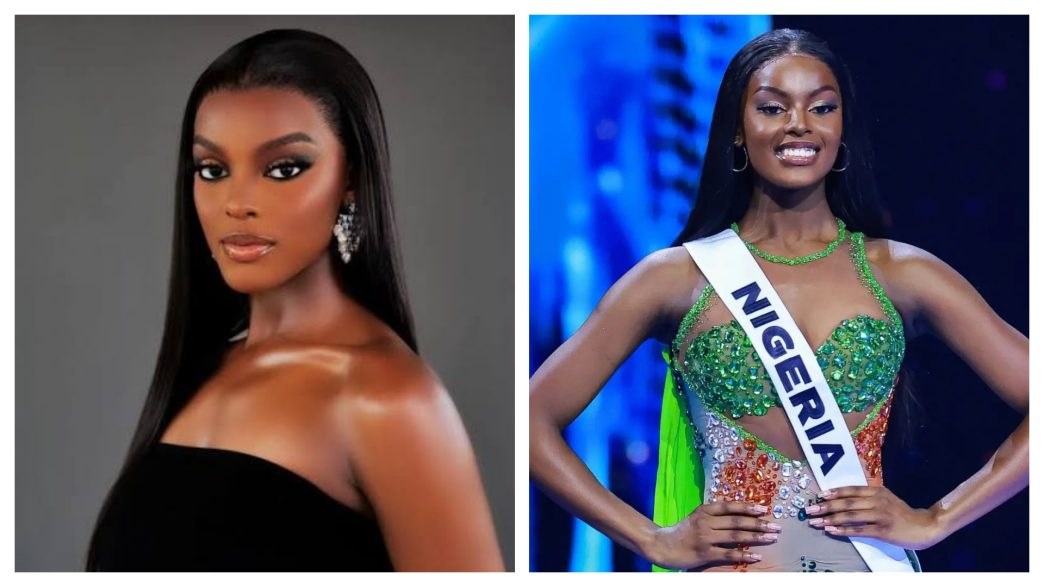
Chidimma Adetshina, the former Miss South Africa finalist who went on to win Miss Universe Nigeria and place as first runner-up at Miss Universe, was arrested earlier this month after she and her minor son were found living illegally at her family home in Cape Town. She was released on a warning but is scheduled to return to the Cape Town Regional Court on July 16, as the Department of Home Affairs pursues her deportation to Nigeria.
Her travel and identification documents have been confiscated.
How It Got to This Point
The legal trouble did not begin with her arrest. It started in 2024, when the Department of Home Affairs launched an investigation into the immigration status of Chidimma and her mother, Anabela Rungo. 
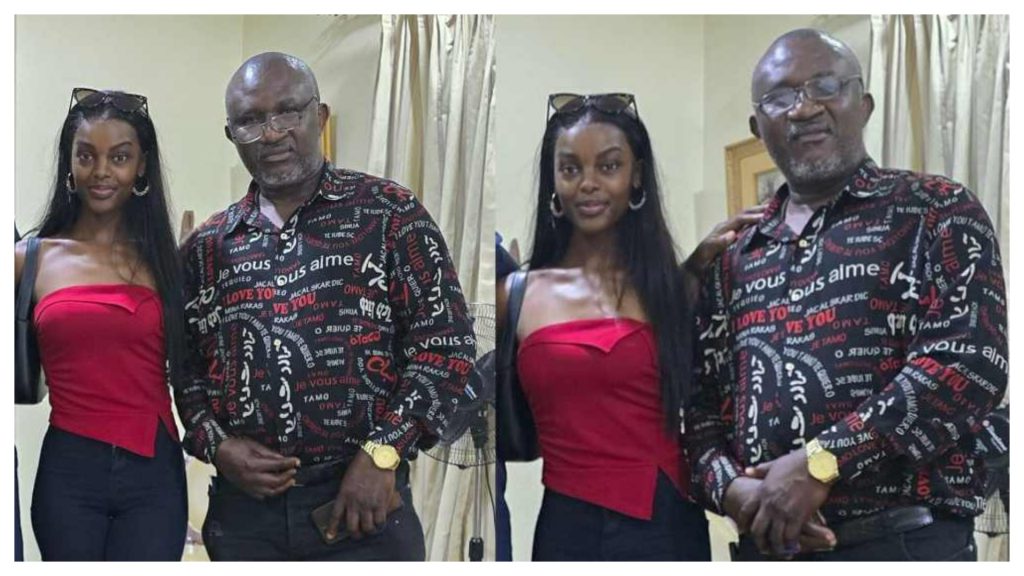
Chidimma was born in South Africa to a Nigerian father who holds permanent residency and a Mozambican mother. The department alleged that Rungo had registered Chidimma’s birth in South Africa using fraudulent documents. Rungo was subsequently arrested and charged with contravening both the Immigration Act and the Identification Act, as well as identity fraud.
As a direct result of her mother’s case, both Chidimma and her son (who was born to a Nigerian foreign national) had their South African identity documents and passports cancelled. Minister of Home Affairs Leon Schreiber confirmed that Chidimma was notified of the cancellation in 2024 but failed to respond to the department’s notice.
The Withdrawal and What Came After
It was during the height of that controversy that Chidimma withdrew from the Miss South Africa competition in 2024. The withdrawal came after weeks of intense public debate in South Africa about her eligibility to compete as the country’s representative, amid the surrounding controversy.

Rather than stepping away from pageants entirely, she changed her approach. She competed in the 2024 Miss Universe Nigeria pageant and won, representing Nigeria on the international stage. At Miss Universe itself, she placed as first runner-up, a result that was celebrated widely across Nigeria and gained her considerable international visibility.
However, what was happening legally was moving in the opposite direction.
SEE ALSO: What Happens After June 30th Deadline in Durban, South Africa?
The Immigration Case Against Her
According to Minister Schreiber, while Chidimma was in Nigeria participating in the Miss Universe pageant, she was issued a Nigerian passport. She then applied for a South African visitor’s visa using that passport. The visa was rejected after investigators determined that she had submitted a fraudulent bank statement. As a result, she was declared a prohibited person.
Despite being declared prohibited, Chidimma entered South Africa through the Lebombo border post from Mozambique, presenting herself as a South African citizen. She then applied for a letter of good cause (the mechanism that allows someone in her position to appeal their status), which was also rejected.
Her son’s application to remain in the country was rejected separately, as the minister stated that his legal status was “inextricably linked to hers”. The department ruled that with her prohibited status confirmed and fraudulent documentation submitted, the child had no independent basis to remain in South Africa.
Immigration officer Adrian Jackson was clear in his assessment. “After the status determination interview and the DHA residency IT systems checks, it was confirmed that the applicant does not hold any lawful RSA residential status and is thus an illegal foreigner,” he said. “It is my submission that the illegal foreigner wilfully and intentionally remained resident unlawfully in RSA in contravention of the Immigration Act 13 of 2002.
SEE ALSO: How Jacinta Ngobese-Zuma Became the Face of South Africa’s Anti-Immigrant Fight
Where She Stands Now
Chidimma has not made a public statement about her arrest. If the deportation continues, she and her son will be sent to Nigeria, the country whose passport she holds and whose beauty crown she wore at an international competition.
The story of Chidimma Adetshina has always been more complicated than the headlines suggested. A young woman who became the centre of a national debate about identity, belonging, and who gets to represent a country now faces the legal conclusion of the questions raised two years ago about whether she ever legally belonged in South Africa in the first place.

About The Author