


Nigeria’s bustling economic hub and megacity is once again under the spotlight for its dirtiness and lingering odours.
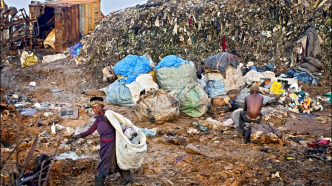
Heaps of waste line the roadside, and overflowing drains are big factors that contribute to the stench that intensifies during the rainy season.
Adding to this are widespread issues of open urination and open defecation, particularly around motor parks, under bridges, along highways and in less supervised public spaces. 
The situation has gotten so dire, residents and visitors are voicing their frustration loudly on social media by tagging environmental officials with photos and videos of garbage piles, blocked gutters, and polluted streets.
SEE ALSO: How a Spanish Man Moved to Lagos to Find His Mother’s Scammer
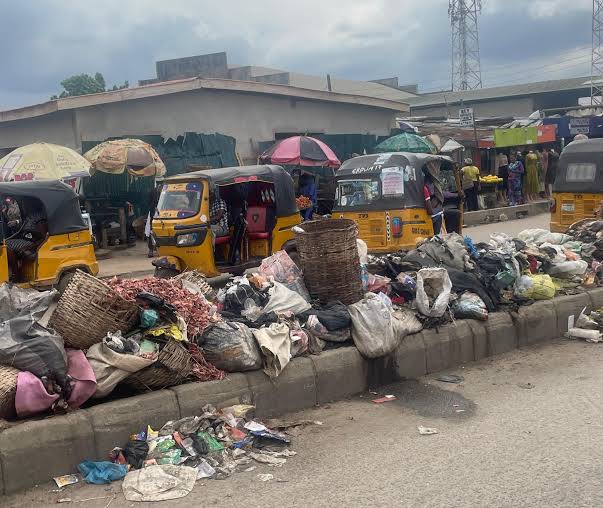
The Current Reality of Waste in Lagos
According to the Commissioner of the Ministry of Environment and Water Resources, Tokunbo Wahab, Lagos generates around 13,000 tonnes of waste daily (approximately 260,000 bags of rice weighing 50 kg each).
In May, about 418,500 tonnes of waste were generated across the state, which comes to an average of about 13,200 tonnes daily.
Agencies such as LAWMA (Lagos Waste Management Authority) and Private Sector Participants (PSP operators) are tasked with the collection of waste. Yet, there have been visible systemic inefficiencies like truck shortages, landfill access problems, nighttime dumping, and coordination gaps.
Rainy season flooding turns streets into stagnant, foul-smelling zones, which can even heighten health risks like disease outbreaks from mosquitoes and clogged drains.
Public backlash has intensified recently. Netizens are directly tagging officials, Tokunbo Wahab, sharing graphic evidence of neglect. Many residents note that despite paying waste fees, the results are minimal.
Government responses related to environmental issues like this include emergency evacuations, “zero tolerance” policies, plans to establish “Waste Police” or new task forces involving transport unions, and calls for better enforcement. However, critics argue these measures lack sustainability, while some have pointed to political distractions and unaddressed lessons from past administrations.
SEE ALSO: How AI Helped Nigerian Conjoined Twins See Each Other for the First Time
The Realistic Path Forward
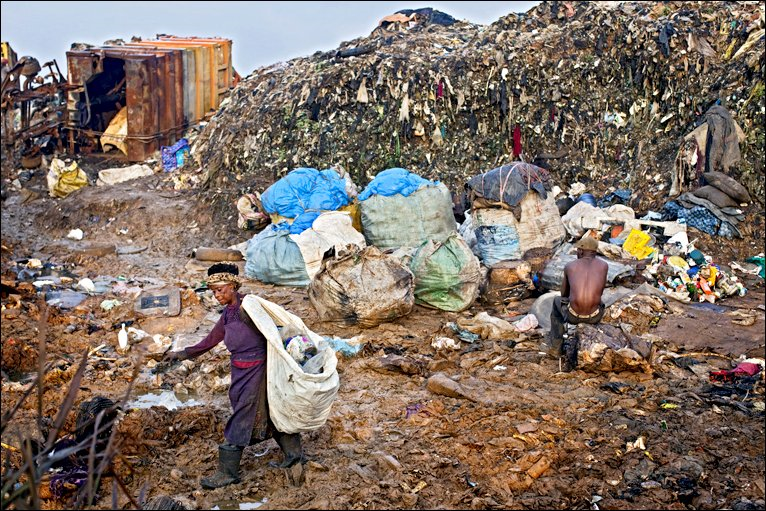
Every time, waste from all the households in the state ends up in the landfills. Local artisans and recyclists go there to pick up possible materials to recycle and work with, but that’s not enough to reduce the waste there. Waste-to-energy projects and expanded recycling plants should be made more of a priority.
Recycling moves the regular linear use-and-dump waste model to a circular one by recovering, processing, and reintroducing materials into production, which diverts them from the waste stream entirely.
By separating recyclables like plastics, paper, metals, glass, and organics at households, markets, and businesses, Lagos could divert a lot of its daily waste from collection trucks and landfills. This would mean fewer overflowing bins, reduced trips for PSP operators, and less residue causing stench and blockages. It would also create jobs, reduce methane emissions from dumpsites and reduce flooding from clogged drains.
Globally, countries like Sweden landfill less than 1% of household waste through advanced recycling and energy recovery, while India builds durable roads from plastic waste and Mexico converts banana peels into biodegradable packaging. These examples demonstrate that recycling is smart resource recovery, not mere cleanup.
Lagos already has strong foundations through LAWMA’s Recycling-for-Cash programs, public-private Material Recovery Facilities (MRFs), and waste-to-wealth initiatives. Scaling these efforts could significantly reduce the 13,000 tonnes of waste handled daily.
About The Author