



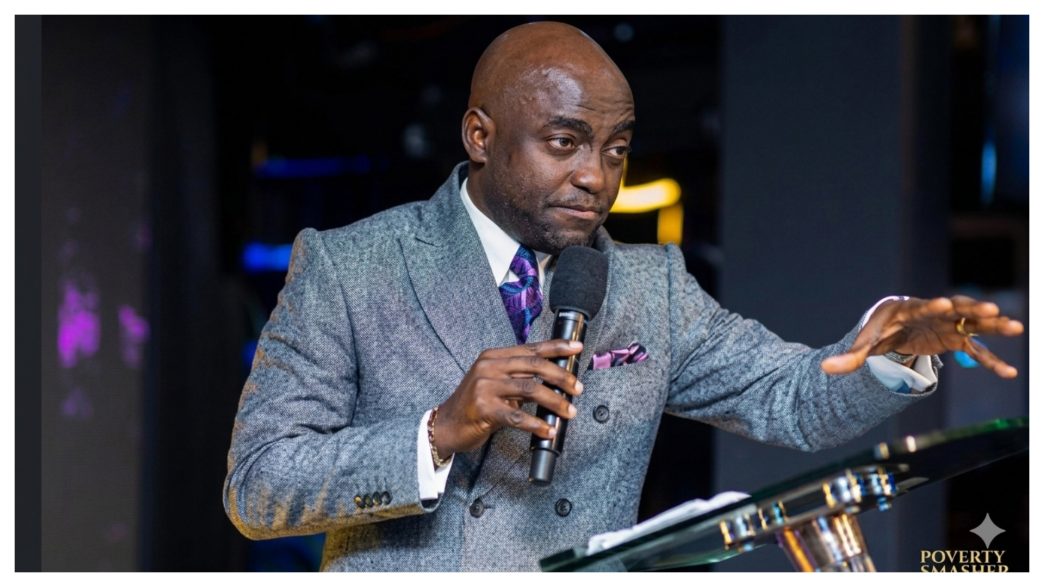
Pastor Badu Kyenkyenhene, a Ghanaian clergyman, told his congregants that he is a womanizer. While noting that he is trying to quit, he made a statement that has ignited fierce debate online:
“The truth is that many men haven’t completely stopped womanizing; they’ve only paused due to circumstances.”
Some members laughed. Others sat in silence. The internet did neither. 
What the Pastor Said
Kyenkyenhene did not hide behind metaphors; he was direct.
He admitted his past lifestyle openly, stating he once identified as a womanizer but has now stopped. His reason for stopping was not a changed heart or spiritual conviction alone, but the fear of God watching him.
“I admit I’m a womanizer, but I’m trying to quit,” he said. “I’ve quit because I fear being watched.”
That last sentence carries a different weight when properly understood. He is not saying he stopped because he might get caught by people, but because he knows God sees everything. The fear of the Lord, not the fear of exposure, is his motivation.
Some will call that growth. Others will call it the bare minimum. Either way, the confession stands.
Public Reaction
On social media, the reactions were swift and cutting.
Konadu (@konadu233 on X) rejected the pastor’s generalization completely.

“Why is he pushing that truly most of them are like that?” she wrote. “Speak for yourself and leave the rest. How can you be proud admitting that you’re a womanizer and your members are just laughing? That is literally the kind of man he is genuinely talking about. Just because of the fear of God he’s using to cover.”
Her words carried a quiet fury, directed not at the sin, but at the normalization of it. She took issue with a pastor standing in a pulpit, confessing moral failure as if it were a weather report. She sees the “fear of God” line as a cover rather than a conviction; a way to confess without truly repenting, naming the sin while keeping it close.
Another user (@daviaeffson on X) took a harder theological stance.

“This is just a mind game,” she wrote. “The next time he is caught, he will simply say ‘but I told you I’m a womanizer.'”
She asked the question that cuts to the heart of the matter: “Shall we continue to sin because of grace?”
Then she pointed to the biblical standard for leadership. “The Bible has laid the checks for someone called to be a pastor or leader, and moral aptitude is prime.”
Her argument is simple. A man who admits he is a womanizer is not qualified to lead a congregation, not because he has sinned, but because he has framed his sin as a personality trait rather than a failure to flee.
Grace covers sin; it does not excuse it. A pastor who says, “I’m a womanizer but I’m trying,” is asking for patience while continuing to struggle. That may be honest, but it is not leadership.
SEE ALSO: Do RCCG Pastors Have a Problem With Lust?
The Fear Factor
The pastor said he stopped because he fears being watched by God.
That is theologically sound; the fear of the Lord is the beginning of wisdom. But wisdom does not end at fear. It moves toward love, toward holiness, and toward a heart that no longer wants to sin.
If the only thing keeping a pastor faithful is the fear of being caught by an all-seeing God, that is better than nothing, but it is not the same as a heart transformed by grace.
External pressure can change behaviour temporarily, but it cannot change the heart. Only genuine repentance and accountability can do that.
Kyenkyenhene may be sincere, and he may genuinely want to change. But leading a congregation while still identifying as a womanizer is like a pilot admitting he is afraid of heights. Honest? Yes. Reassuring? No.
SEE ALSO: Pastor Ibiyeomie’s Cruel Sermon Against Divorced Women
The Bottom Line
Pastor Badu Kyenkyenhene told the truth from his pulpit, which is rarer than it should be. The truth he told, though, was its own kind of indictment: he is a womanizer, he is trying to quit, and the thing that stopped him was the fear of being seen.
Konadu said he should speak for himself and stop generalising. Daviaeffson asked whether grace was being treated as a licence. Both questions deserve an answer.
The biblical standard for leadership is not trying. It is not pausing, But being above reproach.
That is not a harsh standard, It simply the weight of the calling.

About The Author