



Nigeria’s fintech banking industry or has expanded rapidly over the past decade. Millions of people now rely on digital banks for transfers, bill payments, savings, merchant transactions, and everyday banking.
A large part of that growth comes from necessity. Many Nigerians want payment platforms that are fast, affordable, and reliable, especially during periods when traditional banking channels experience disruptions.
Some firms report registered users, while others disclose customers, merchants, businesses, or transaction volumes. 
Based on the available figures, here are the top 5 fintech companies with the highest users.
1. Opay
OPay currently appears to have the largest publicly reported user base among Nigerian fintech companies.
The company’s official website reports more than 50 million users and about one million merchants. It also disclosed monthly transaction volumes exceeding $12 billion and nearly 10 million daily active users.
Its growth came from daily use. Many users depend on OPay for transfers, airtime purchases, bill payments, savings, and merchant transactions.
For many Nigerians, OPay functions less like a fintech app and more like a main bank account.
ALSO READ: Why Are Nigerian Fintechs Becoming Banks? Flutterwave Joins Paystack To Get Banking License
2. Palmpay
PalmPay follows closely behind. According to palmpay, the company has over 35 million registered users and about one million small and medium-sized business clients. TIME also listed PalmPay among its 2026 TIME100 Most Influential Companies and stated that the company had more than 35 million registered users.
Its strategy focused heavily on mass-market adoption. Users could open accounts quickly, transfer money easily, pay bills, and access agent services without much difficulty.
This strategy has helped PalmPay gain traction among people looking for a simpler banking experience. By 2025, industry reports estimated that the platform processed about 15 million transactions daily.
3. Moniepoint
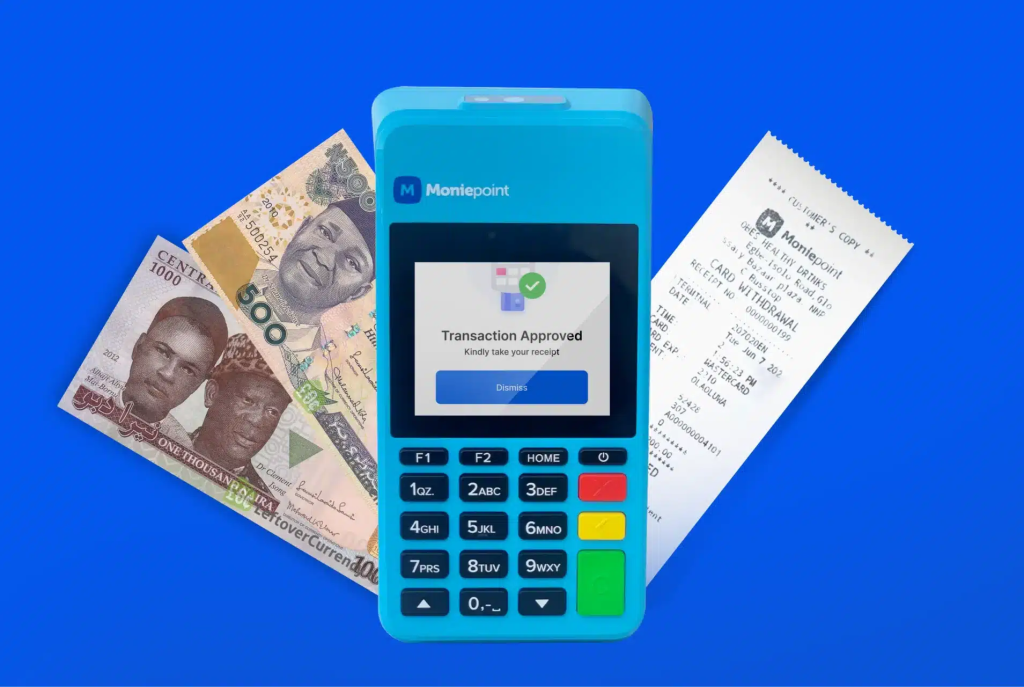
Moniepoint has become one of the most influential players in Nigeria’s financial technology space. It is one of Nigeria’s biggest fintech companies by transaction scale.
Moniepoint reports that it has 20 million customers, including individuals and businesses. It also processes more than 1 billion transactions monthly, with payment volume above $22 billion.
The company’s strength lies largely in business banking, merchant payments, and agency banking services. Small businesses, POS operators, and merchants depend heavily on its infrastructure for daily transactions.
So while OPay and PalmPay may dominate consumer wallet numbers, Moniepoint has serious weight in business payments.
4. Paga
Paga remains one of Nigeria’s oldest and most recognised fintech brands.
The company’s official website says has a customer base of 17m+ users across the country. It also built a large network of agents that helped expand financial access beyond major cities.
Unlike many newer fintech companies, Paga grew through both digital services and agent-assisted transactions. This model helps the company gain more users because not every fintech user in Nigeria starts with an app; many Nigerians still access financial services through agents rather than mobile apps.
ALSO READ: Unicorns: 10 African Companies Worth Billions of Dollars
5. Kuda
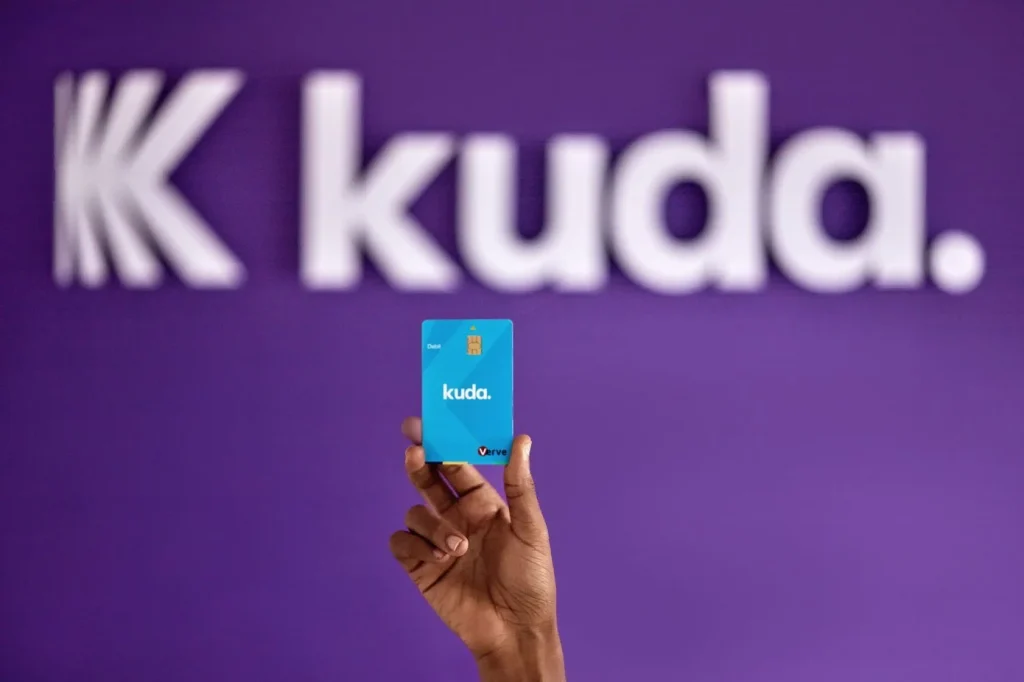
Kuda helped popularise the concept of digital-only banking in Nigeria.
The company has reported more than seven million customers according to CEO Babs Odundeyi. In the first quarter of 2025 alone, it processed over 300 million transactions valued at ₦14.3 trillion across its retail and business banking services.
Kuda attracted users with a mobile-first approach. Features such as low-cost transfers, savings tools, spending insights, debit cards, and overdraft options appealed to customers looking for an alternative to traditional banking.
Although its user base remains smaller, Kuda continues to rank among Nigeria’s most prominent digital banking brands.
What It Means
These numbers show how Nigerians manage money. What began as a small fintech movement has evolved into an industry serving tens of millions of people. From consumer payments to merchant services and business banking, fintech companies now handle a significant share of daily financial activity across the country.
As adoption continues to grow, competition among these platforms will likely focus not just on attracting new users but also on keeping existing customers loyal in an increasingly crowded market.

About The Author