


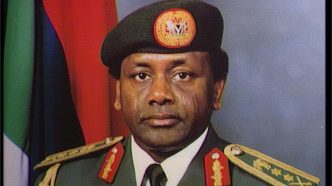
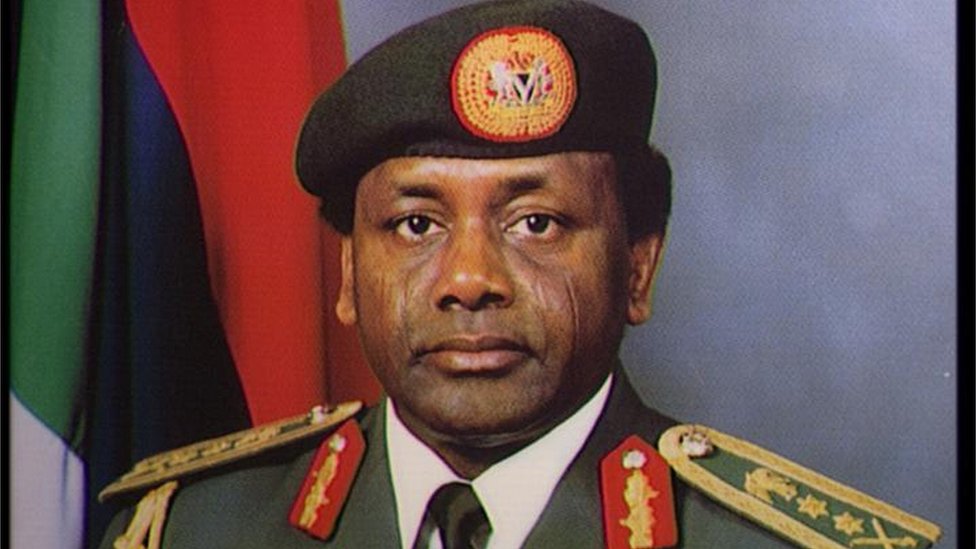
During the 1990s in Nigeria, while millions of citizens grappled with poverty, fuel scarcity, and crumbling infrastructure, one man reportedly treated the national treasury like his personal ATM.
General Sani Abacha, Nigeria’s military head of state from 1993 to 1998, has been widely accused of orchestrating one of the most notorious corruption scandals in African history.
Abacha died suddenly in 1998 (officially of a heart attack). But his legacy of hidden wealth lives on in Swiss bank accounts, Jersey shell companies, Liechtenstein trusts, and beyond. 
The Socio-Economic Rights and Accountability Project (SERAP) reports the loot to be estimated between $6 billion and $9 billion, while reports from sources like the BBC and Transparency International estimate what he and his associates syphoned off to be between $2 billion and over $5 billion.
There have been international treasure hunts involving lawyers, governments, and anti-corruption activists. Here’s a timeline of the Abacha loot repatriation that every Nigerian should know.
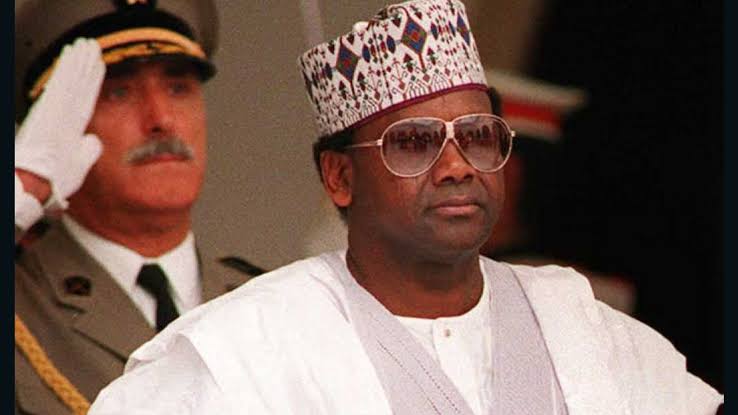
The Earlier Recoveries, the 2000s
There have been many tranches of the loot over the past 28 years.
According to ThisDay, right after Abacha’s death, there was pressure on his family by the new administration under Gen Abdulsalami Abubakar. It yielded. In 1998, Nigeria recovered about $750 million directly from the Abacha family.
Under President Olusegun Obasanjo (1999–2007), the Sani Abacha loot recovery hunt intensified. Switzerland, a favourite hiding spot for the loot, began to cooperate with the government.
- In 2000, $64 million from Switzerland was returned.
- In 2002, $1.2 billion was returned by the late Abacha’s family.
- In 2003, $160 million came from Jersey and $88 million from Switzerland.
- In 2005–2006, there was over $500 million more from Switzerland (some reports cite $461 million in one tranche alone).
Every time there was news of a new returned loot, Nigerians were amazed and would think it was the last. Little did they know how much Abacha amassed from the country’s pocket in the space of five years.
At some point, people started to question transparency; where exactly did the money go?
Groups like SERAP and others demanded fuller public disclosure. Earlier returns (pre-2010s) faced accusations of poor tracking, though later ones show improvement in oversight.
The World Bank got more involved in monitoring some tranches to ensure they supported poverty reduction and development programmes.
Later Recoveries, the 2010s
There was progress on the Sani Abacha loot recovery, but it was getting slower because of legal battles which dragged on across jurisdictions. Different countries have strict rules about returning “dirty money”. For example, they usually demand proof that it won’t be re-looted because, according to The Economist of London, monies looted from Nigeria by its public officers and refunded to its government were often “re-looted”.
How do you even prove that? Well, they sure found a way around it.
The BBC reported that in 2014, Liechtenstein returned around $277 million (after years described by some as a “nightmare” process).
Between 2017 and 2018, Switzerland agreed to return another $321–322 million. It was tied to social safety net projects and monitored by the World Bank. This was partly used for cash transfer programmes helping vulnerable Nigerians.
By 2018, Switzerland alone had returned over $1 billion.
SEE ALSO: From Oil Wells to Smartphones: How Western Money is Found in Africa
Now, the 2020s
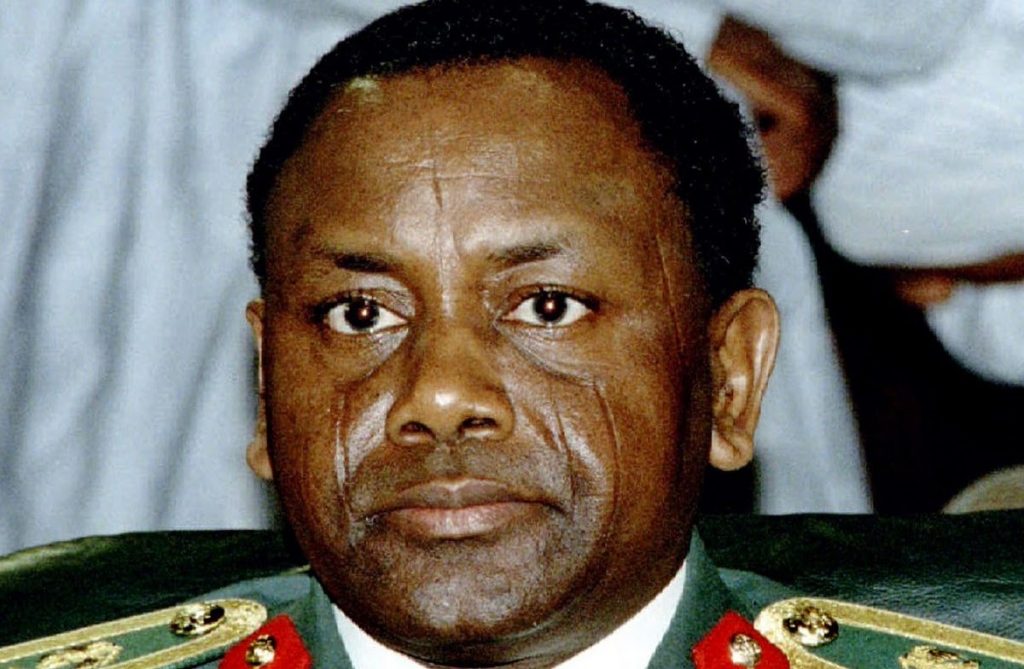
The most headline-grabbing returns came in recent years, often reportedly put aside for specific projects to build public trust.
In 2020, $311.7 million (including interest) was returned from the US and Jersey. This was routed toward major infrastructure like the Lagos-Ibadan Motorway, the Abuja-Kano road, and the Second Niger Bridge.
In 2022, the US returned an additional $23 million, bringing their total in one major case to over $334 million.
Between 2023 and 2025: France reportedly agreed to return around $150 million.
In January 2026, Jersey is set to return another $9.5 million for infrastructure projects.
Who Receives and Manages the Recovered Loot?
These funds from the Sani Abacha loot recovery are channelled through the Nigerian Sovereign Investment Authority (NSIA) under the Presidential Infrastructure Development Fund.
Apart from providing proof that the funds were not going to be re-looted, independent auditors and civil society monitoring were required as conditions for the return. Some of the funds are also directed to the National Social Safety Net Project (NASSP).
What the Recovered Loot Has Been Used For
According to the Basel Institute of Governance, the earlier tranches, including the over $500 million from Switzerland in 2005–2006, were allocated to pro-poor sectors such as:
• Power
• Roads/Works
• Health
• Education
• Water resources
The projects were reportedly monitored by the World Bank and civil society. However, reports noted some weaknesses in tracking and project execution at the time.
The $321–322.5 million from Switzerland was channelled into the NASSP-supported cash transfer programmes for poor and vulnerable households.
Many recipients used the funds to start small businesses, pay school fees, or cover basic needs. The World Bank monitored usage, and local civil society groups (Network on Asset Recovery) provided independent bi-annual reports.
Between 2020 and 2025, the $311.7 million from the US and Jersey and $23 million from the US—totalling over $334 million, managed through the Nigerian Sovereign Investment Authority (NSIA)—went into three flagship projects:
• Lagos-Ibadan Motorway
• Abuja-Kano Road (a critical North-South link still in final stages)
• Second Niger Bridge
The $9.5 million announced in January to come from Jersey has been set aside for the final stages of the Abuja-Kano Road.
A publication by SERAP explains that so far, over $5 billion has been recovered from former dictator Sani Abacha and his associates over the past 25 years, according to reports from Al Jazeera, the BBC, the World Bank, the IMF, Transparency International, and SERAP.
About The Author