




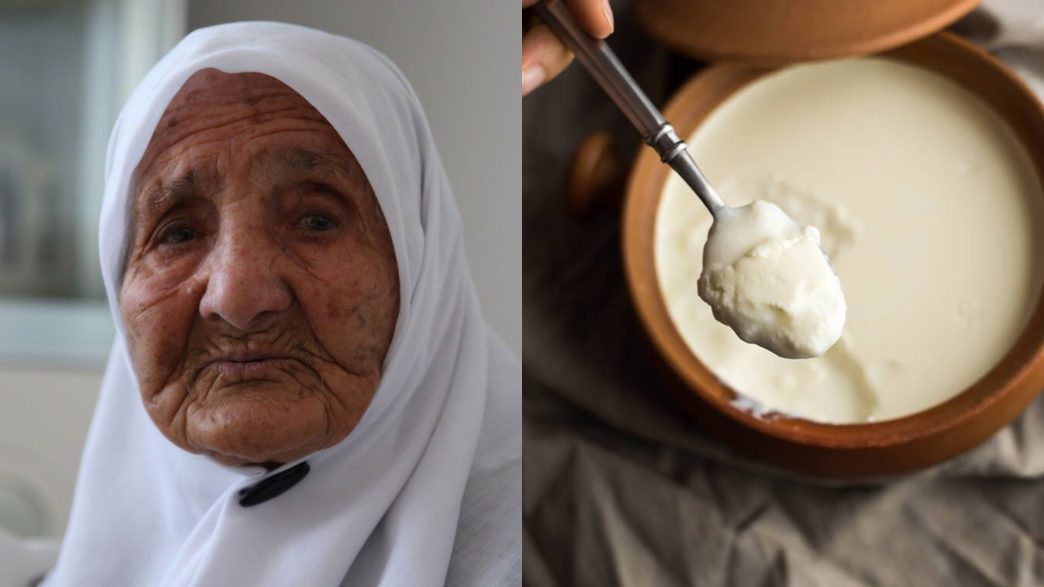
A Turkish grandmother, Şemsi Kılıç, who just celebrated her 110th birthday, attributed her longevity to taking lots of yoghurt.
Living as long as 100 years is already a great feat for a human, so being 110 years old is a major accomplishment. Grandma Kılıç has lived through two World Wars, the Spanish flu pandemic, the Cold War, the internetless era, COVID-19 and many more historic events.
Grandma Kilic says that drinking a lot of homemade yoghurt has helped her stay this long. 
In a world where many prefer processed and sweetened foods to organic foods, Kılıç and scientific experiments are proof that organic and homemade food does the job of promoting longevity.
While yoghurt isn’t a magic recipe to live 100 years, it’s part of a healthy lifestyle in general.
SEE ALSO: That Crunchy Plantain Chip You Love? It Might Be Fried With Plastic
How To Make Homemade Yoghurt in 5 Steps
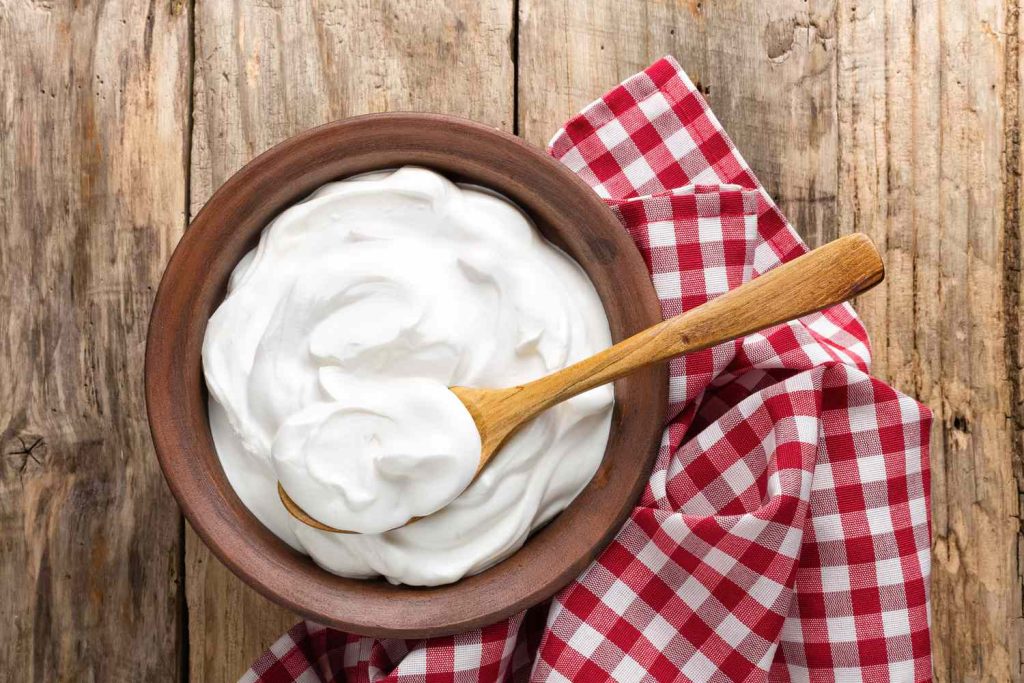
If you have the time and patience, yoghurt is simple, affordable, and satisfying to make.
All you need is:
Fresh milk (powdered or liquid)
A small amount of plain yoghurt (this is your “starter”).
A pot
A spoon
A container with a lid (flask, cooler, or even a wrapped pot)
Step 1: Heat the milk.
Pour your milk into a pot and heat it gently. If you are making use of powdered milk, mix your milk with water, then heat it.
It doesn’t have to boil over (just around 80-85°C). Just make sure it is hot enough that you can see small bubbles forming at the edges of the pot. It’s like you are warming water, not cooking soup.
Step 2: Let It Cool
Take the milk off the heat and allow it to cool down. It should be warm, not hot—like something you can feed a baby or dip a finger into without getting burnt.
Here’s the thing: if it’s too hot, it will “kill” the yoghurt bacteria (in the plain yoghurt) that should cause fermentation and give the yoghurt its natural flavour. Nothing will happen if it’s too cold.
Step 3: Add Your Starter
Add 2–3 tablespoons of plain yoghurt to the warm milk and stir gently. As yeast is to dough in breadmaking, so is plain yoghurt to the warm milk, just that instead of rising, the milk thickens.
Step 4: Keep It Warm
Cover the mixture and keep it somewhere warm for 6–10 hours. You can wrap the container of the mixture in a thick cloth, put it inside a cooler or place it beside something that produces heat.
Then go watch some movies, sleep, etc. – basically anything to not go checking the mixture again and again. The goal is simple: don’t disturb it.
Step 5: Check and Chill
After several hours, your milk should have thickened into yoghurt. If it’s firm and slightly tangy, it’s ready. If it’s still watery, give it more time.
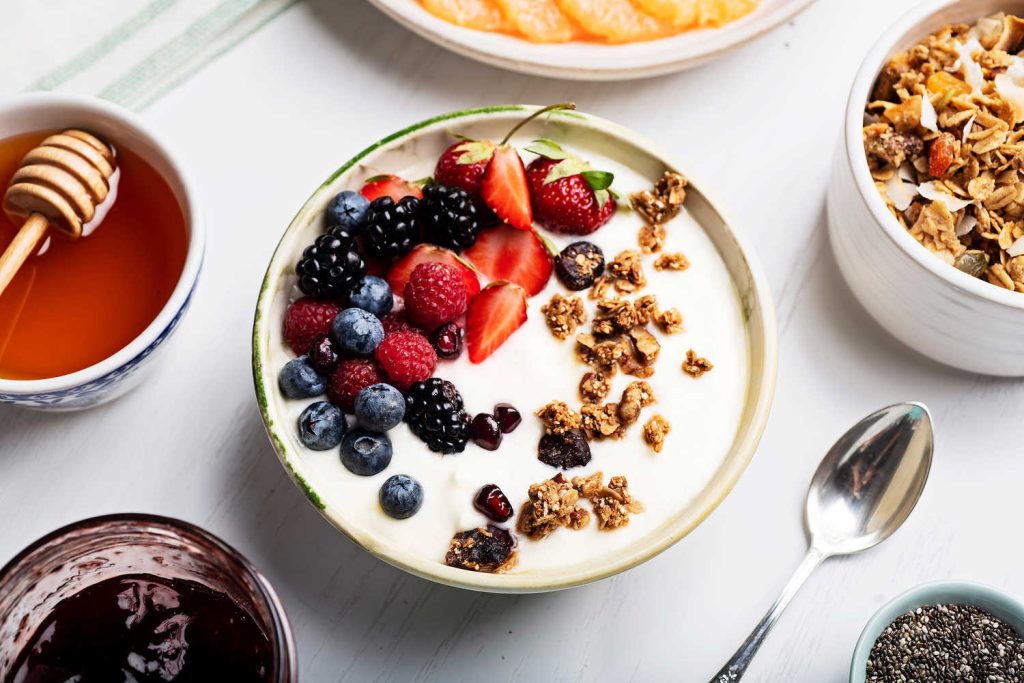
Once ready, refrigerate it to stop the fermentation. You can add some sugar or sweetener, but that only defeats the purpose if the goal is to live 100 years. Take it with honey or fruits instead.
Why Yoghurt?
Yoghurt is also known as ‘nono’, ‘amasi’ or ‘wara’ and contains good bacteria called ‘probiotics’ that support your digestion. The probiotics help you break down food properly, reduce bloating and stomach discomfort and also help your body absorb nutrients better.
It is also rich in calcium and protein. Your body needs the nutrients to keep bones and teeth strong. So, we can say that, as old as Grandma Kılıç is, her bones are still strong.
It builds your immune system against illnesses. This can explain why Kılıç could survive two great pandemics. The probiotics in yoghurt help your body resist infections and support overall immune health.
Finally, yoghurt gives you energy because it contains natural sugars. That’s why it’s a great breakfast or snack, especially when combined with fruits.
About The Author