



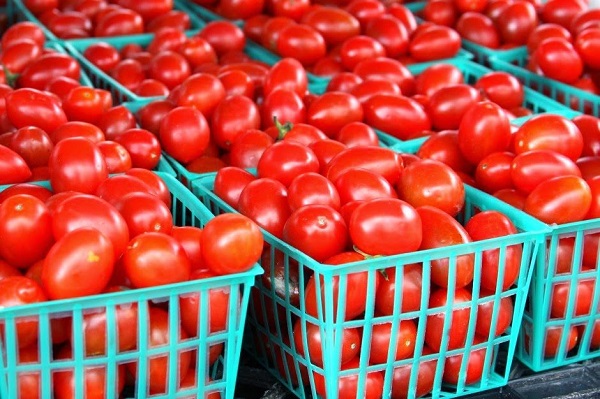
Burkina Faso has just made a move on tomatoes that’s catching attention across West Africa. In mid-March, the country announced a ban on exporting fresh tomatoes. Why?
The country’s idea is to keep more tomatoes at home to support local processing industries, especially factories that turn them into products like tomato paste.
Although this might sound like a simple policy change by the government, report by africanews says this move could have an effect across the West African region.
Per Africa’s News report, Ghana is one of the countries that regularly imports tomatoes from Burkina Faso, especially when the country’s local supply drops.
In northern Ghana, traders depend heavily on these cross-border deliveries to keep markets stocked. 
While it’s still early, there’s already some concern that this ban could affect how easy it is to find tomatoes and possibly even push prices up if supply tightens.
And Ghana isn’t alone. Countries like Côte d’Ivoire, Togo, and Benin also rely on Burkina Faso for part of their tomato supply. A lot of this trade happens informally, which means the impact might not immediately show up in official numbers, but people in local markets could start to feel the difference sooner rather than later.
According to Burkina Faso, the plan is to build stronger local industries. By keeping raw tomatoes in the country, they can process more of them locally instead of exporting them.
ALSO READ: Not Everything Made in Nigeria Is Allowed to Leave — 6 Products Banned From Being Exported
It’s part of a broader trend across some African countries moving away from exporting raw agricultural goods and focusing more on value-added products.
Other Countries That Have Made Similar Moves
Burkina Faso isn’t the only country taking this route. In recent years, several African nations have placed restrictions on key food exports to protect local supply and stabilise prices.
Guinea announced a ban on the export of around 15 staple foods, including rice and onions, in a bid to keep essential food produce affordable.
Similarly, Ghana has at different times also placed restrictions on the export of grains in order to manage shortages and rising food costs.
Malawi also banned maize exports to secure enough supply for its population during periods of food insecurity.
All these moves point to a trend that shows African countries are becoming more protective of their food systems. But as with Burkina Faso’s tomato ban, these decisions oftentimes have effects beyond their borders.
For now, everyone’s watching to see how it plays out. Will it boost local production in Burkina Faso? And how will neighbouring countries adjust if supplies start to shift?
About The Author