


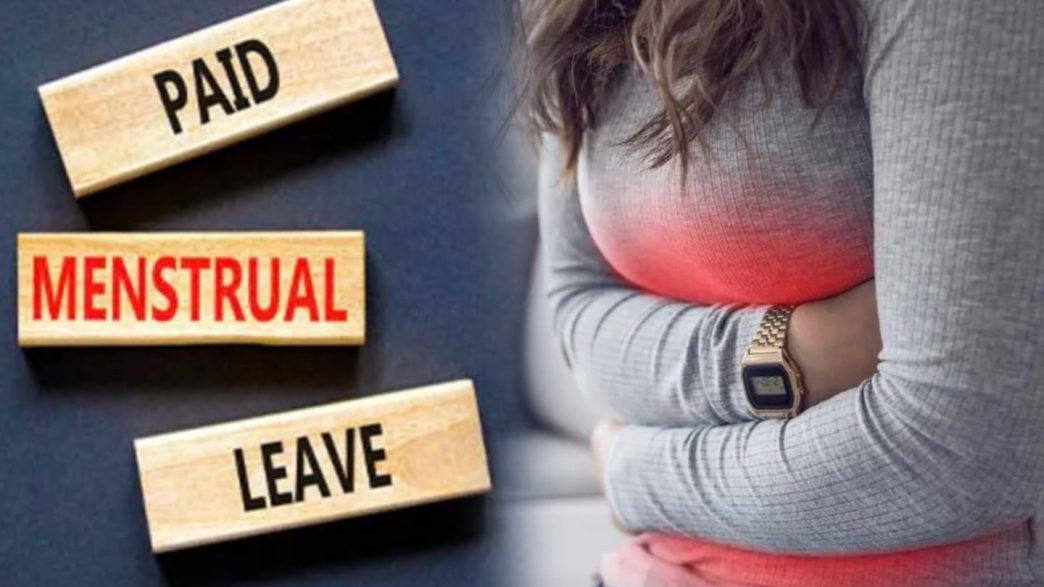
Menstrual leave is a kind of leave where women have the option to be absent from work if they’re menstruating and unable to work because of the pain that comes with it. The employer can choose to pay or not pay her for the leave.
Fewer than 10 countries in the world offer an option of menstrual leave to their female citizens. Out of these 10 countries, only Zambia and, very recently, Kenya have adopted menstrual leave policies.
Zambia
Zambia adopted a policy in 2015 that allows its women to take one day off work every month, if they feel the need to, during their menstrual cycles. The menstrual leave policy is known as “Mother’s Day”. If a female employee is denied this entitlement, she has the right to prosecute the employer. 
The policy reflects that the government is concerned about the well-being of its women. It recognises that menstruation can cause severe cramps, fatigue, headaches, and reduced productivity.
The policy therefore aims to improve women’s health and wellbeing, promote workplace equality and reduce stigma around menstruation.
Since its adoption, there have been arguments about its importance. Some say it promotes divinity and acknowledges biological realities, while others argue that it could be abused by workers and may reinforce gender bias in the country.
Zambia stood alone, championing the menstrual leave policy in Africa, until Kenya decided to join her, but not fully.

ALSO READ: Over My Dead Body? Why Edgar Lungu, Zambia’s Ex-President Final Resting Place Is A Battle
Kenya
In December 2025, Africa News reported that women working for Nairobi County are now entitled to two paid days off every month during their menstrual period.
The Nairobi City County government, under the leadership of Governor Johnson Sakaja, approved the policy as separate from their sick leave and annual leave. As it’s usual with policies like this, some are in support, while others heavily criticise the idea.
“Your biggest asset is your staff,” said Sakaja in a report by the Associated Press on March 18, 2026. “It starts with dignifying your own staff for them to feel that they’re respected and dignified.”
The governor strongly believes that women do better than men when they are supported.
“Women’s rights are not anti-productivity — they are an input that creates productivity. It’s actually an investment in your workforce.”
Japan was the first to adopt the menstrual policy in 1947. Globally, menstrual leave is still rare. Countries like South Korea, Indonesia and Spain have versions of it, but implementation and enforcement differ.
In many places, women avoid using it altogether because they are afraid of stigma or backlash, showing that those against the policy might be more than those in support.
So far, Zambia is still the only African country with national menstrual leave. Kenya is the second African country to adopt it, but at a subnational (county) level. This could be the starting point for a national or continental shift.

About The Author