


In 2020, at the height of the coronavirus pandemic, six pallbearers in Ghana went viral.
Dressed in sharp suits, sunglasses, and white gloves, they carried a coffin while performing a perfectly choreographed dance.
The group, known as the Dancing Pallbearers from Prampram, quickly became a global meme as their videos spread across social media, drawing worldwide attention to Ghana’s funeral traditions. 
These performances were not created for internet humour or as a one-time spectacle. They reflected a real Ghanaian cultural practice where music, dance, and celebration form an essential part of saying goodbye to loved ones.
ALSO READ: Did You know Ankara Fabric is not Originally African? Here’s the Truth
Ghanaian Funerals
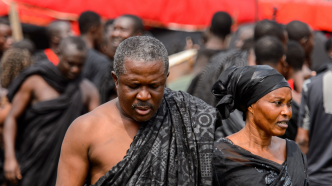
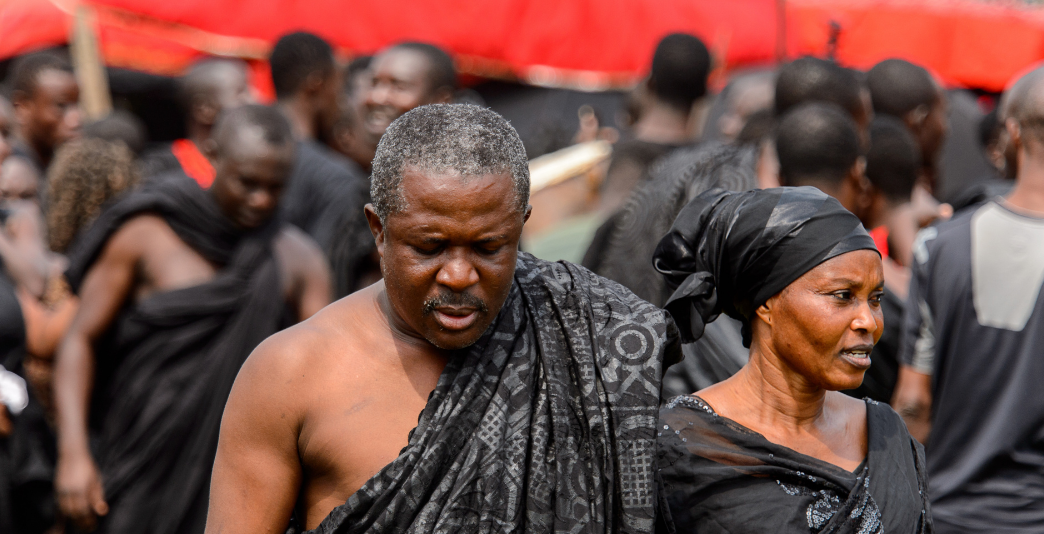
In Ghana, funerals are major life events that go far beyond a simple burial. They involve family, friends, neighbours, and even entire communities gathering together to honour the deceased.
A typical funeral may include:
- Wake-Keep: Singing, talking, and preparing the body before burial.
- Public Announcement: Large banners and posters tell the community about the death.
- Main Funeral & Burial: This is often held on Saturdays and is the central ceremony, full of music, dancing, food, speeches, and processions.
- Thanksgiving or Memorial Services: Follow-up gatherings to remember the person who died.
Funerals can last days or even weeks, and the family often spends significant money on them because the celebration reflects the person’s life, achievements, and community role.
Why Dance and Music Are Central to Ghanaian Funerals
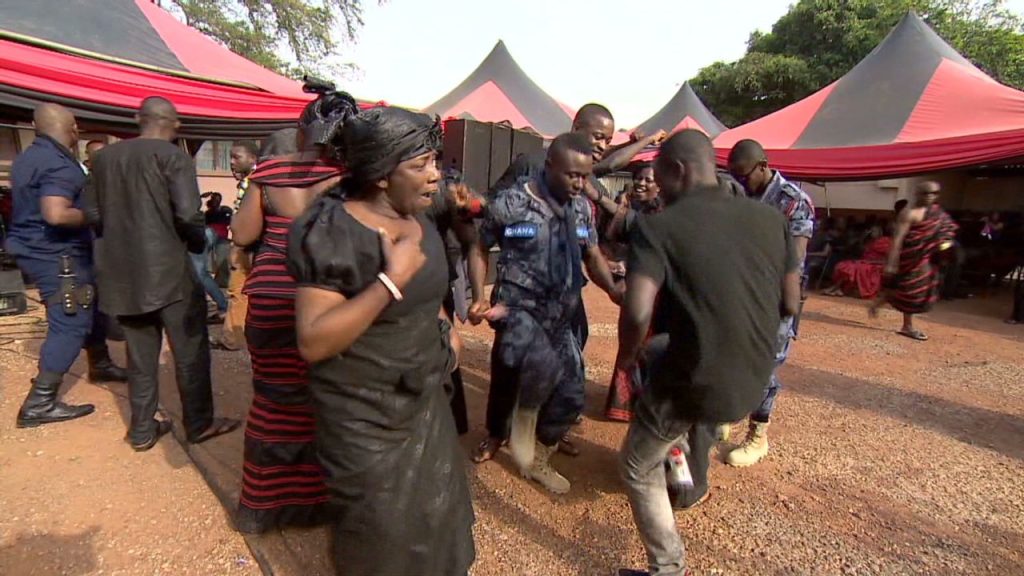
Dance and music are not just entertainment; they are meaningful expressions in Ghanaian funeral culture.
1. Death Is Seen as a Transition
Many Ghanaians believe death is not the end but a passage to the ancestral world. Dance and music help send the person off with joy instead of sadness, supporting their spirit’s journey.
2. Emotional Expression
Traditional funeral music and dances allow those present to express grief, celebrate life, and share memories together. Drums, singing, and movements help people release emotion as a community.
3. Cultural and Spiritual Expression
Certain Ghanaian dances, like Adowa, are performed during funerals to communicate deep feelings. Adowa combines specific hand and foot movements to reflect both sorrow and respect.
4. Legacy and Community
Music and dance show support for the bereaved family and publicly honour the deceased’s personal story, values, and role in society.
YOU MIGHT LIKE: 6 Longest-Serving Presidents in Africa — Some Died in Office
Other African Countries Where Dance Is Part of Funeral Rituals
Dance and movement are important in funeral rites across many African cultures, though not always in the same form as Ghana’s funeral dances:
1. Dogon People (Mali)
The Dogon perform the Dama, a ritual that includes masked dances to guide the deceased’s spirit to the afterlife. These dances can last days and are very symbolic.
2. Chewa People (Malawi, Zambia, Mozambique)
The Gule Wamkulu is a ritual dance performed at funerals and other major ceremonies. Masked dancers represent ancestral spirits and help connect the living with the departed.
3. Yoruba (Nigeria) and Other West African Groups
Among various West African groups, music and dance, sometimes in the form of praise or dancing, accompany funeral events, especially when the deceased died old and lived a full life. This is done to honour the deceased and express grief.
While these countries still incorporate dance into funerals in a largely solemn way, Ghana stands apart.
Ghanaian culture honours death with life, community, and shared emotion, not silence alone. People use music and dance to heal together, guide the spirit of the deceased, and celebrate a life fully lived.
About The Author