



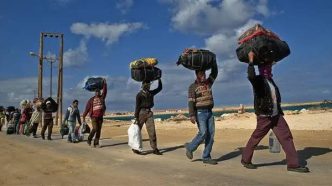
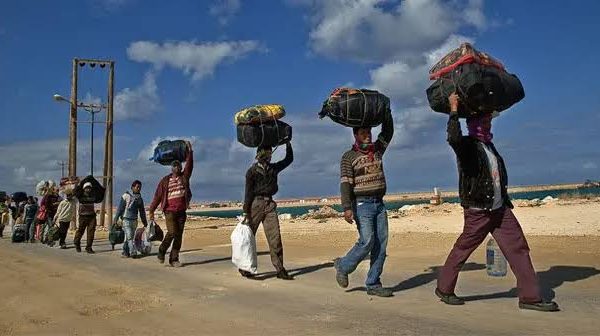
According to official data from the Canada Border Services Agency (CBSA), 974 Nigerians face imminent deportation from Canada as of late 2025, meaning authorities have already begun their removal process.
Between January and October 2025, Canadian authorities deported 366 Nigerian nationals, marking a noticeable increase compared to previous years.
Main Reasons for Deportations
1. Failed Refugee or Asylum Claims
Canadian immigration authorities rejected the refugee claims of about 83% of deported Nigerians, making this the main reason for their removal. Under Canadian law, authorities can order individuals to leave the country once they deny a refugee protection claim after review.
2. Legal Requirements under Canadian Law
The Immigration and Refugee Protection Act requires Canadian authorities to remove any foreign national who do not meet the legal requirements, with a final, enforceable removal order.
3. Other Grounds for Deportation
Although they make up a smaller share (about 4%), Canadian authorities deport some individuals for criminality or inadmissibility, including security concerns, application fraud, and immigration violations.
4. Stronger Immigration Enforcement
Canada is currently carrying out a nationwide enforcement push, with authorities deporting about 400 foreign nationals each week and this is the highest pace in over a decade. Officials say they are doing this to tighten immigration targets and ease pressure on housing, jobs, and border security.
Why Is This Happening Now?

There are several reasons behind the increased deportations and they include:
1. Backlog and Stricter Refugee Reviews Canada has received a high number of asylum seekers, including international students who later apply for refugee status. As a result, the system is overcrowded, and claims face closer review, resulting in more applications are being rejected.
2. Government Policy Changes – New laws and enforcement priorities, such as Bill C-12, make it harder for some migrants to appeal or submit refugee claims again. Bill C-12, introduced in 2025, is called the Strengthening Canada’s Immigration System and Borders Act and it focuses on tighter immigration control.
3. National Priorities – Canadian officials say housing shortages, pressure on jobs, and security concerns have pushed the government to enforce deportation orders more strictly.
YOU MIGHT LIKE: 15 Safest Cities in Africa to Travel to in 2026
How This Might Affect Africans
Many international students, including Africans, use education as a pathway to stay longer in Canada and rising deportations may discourage students and workers from choosing Canada or make them more cautious about their immigration status
Nigeria is now one of the few African countries in the top lists for deportations, thus many Africans in Canada (especially those with temporary or uncertain status) may feel insecure about their future.
While Canada remains a popular destination for Nigerians and other Africans seeking better opportunities, stricter immigration enforcement, more rejected asylum claims, and increasing deportations show that moving to Canada is becoming more complicated and risky for many people.
About The Author

-
Pingback: 6 Longest-Serving Presidents in Africa — Some Died in Office - NBG Africa
-
Pingback: The Full List of Queen Zaynab’s High-Profile Husbands - NBG Africa
-
Pingback: 7 Countries That Allow Africans with Student Visas Bring Dependants Who Work - NBG Africa
Keep Up to Date with the Most Important News