


Do you have friends and family in Europe, the UK, and the US whose times are constantly changing, and have you ever wondered why African time doesn’t change?
Well, they literally just add and subtract their time by themselves and call it daylight saving. They are literally saving daylight.
What’s the Point of Daylight Saving Time (DST)?
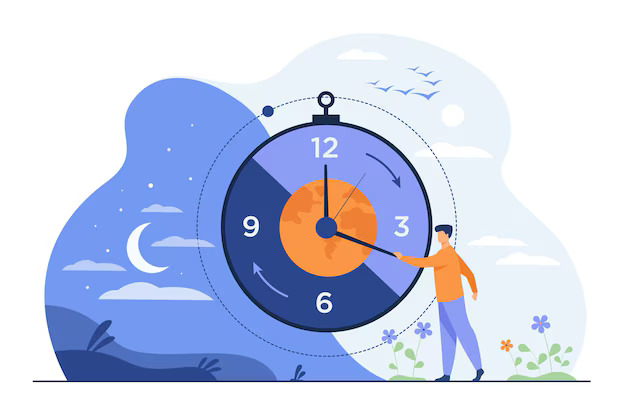
The goal of daylight saving time (DST) is to optimize the amount of daylight usage by shifting an hour of daylight from the evening to the morning during the autumn transition and also in the spring. This allows people to have more usable daylight or more nightime as the case may be. 
However, it is important to note that no actual daylight is saved; rather, the timing of daylight is adjusted to fit better with human activities.
ALSO READ: Top 10 African Universities in 2026: See Countries that Dominate QS Rankings
Time Zones in Africa
Africa is the second-largest continent, covering a massive six time zones from UTC−01:00 to UTC+04:00.
Currently, only Morocco (year-round except during Ramadan) and Egypt observe daylight saving time, although it was previously practiced in countries such as Ghana and South Africa.
ALSO READ: 15 Safest Cities in Africa to Travel to in 2026
Why Africans Don’t Use DST
Even though Africa has six different time zones, it does not use DST. Here’s why
African countries are close to the equator
Approximately 70 countries implement DST, but African countries located near the equator do not participate, as their daylight duration remains relatively constant throughout the year.
This consistency removes the necessity of adjusting clocks since there is minimal fluctuation in light availability.
The length of day and night is stable
The geographical position of countries influences their need for DST. African countries experience an even balance of daylight and darkness year-round, unlike some countries where there is either extra sunlight or extra darkness.
The fundamental purpose of DST is to transition more daylight from mornings when many people are asleep to evenings when they are more active.
About The Author

Keep Up to Date with the Most Important News