


Over the years, Ebola has been a disease that carries memories of isolation centers, emergency border screenings, overwhelmed hospitals, and communities. Now, those fears are returning again.
The World Health Organization has officially declared the growing Ebola outbreak in the Democratic Republic of the Congo and Uganda a “Public Health Emergency of International Concern”, following a rapid increase in suspected infections and deaths linked to the rare Bundibugyo strain of the virus.
According to WHO figures released on May 17, at least 246 suspected cases and 80 suspected deaths have already been reported in Congo’s Ituri Province, while Uganda has confirmed cases in Kampala, including at least one death involving a traveller linked to the outbreak. 
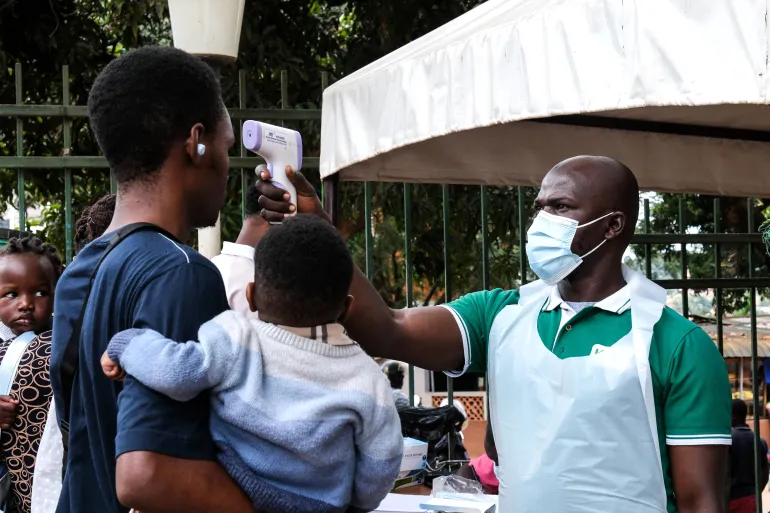
The current outbreak is being driven by the Bundibugyo variant of Ebola, a rarer form of the virus for which there are currently no approved vaccines or targeted treatments.
Unlike COVID-19, the WHO says the outbreak does not yet meet the criteria of a global pandemic. Still, the organisation has described the situation as serious enough to require urgent international coordination, warning that the true scale of infections may be far larger than what has currently been detected.
The outbreak has already crossed borders between Congo and Uganda, and health officials fear that movement across busy trade routes and densely populated urban centres could make containment more difficult if urgent measures are not sustained quickly enough. A confirmed case has also reportedly been detected in Kinshasa, Congo’s capital city, raising further fears about wider transmission.
Ebola spreads through direct contact with bodily fluids such as blood, vomit, sweat, or other contaminated materials. Symptoms often include fever, weakness, vomiting, internal bleeding, and severe dehydration. The disease can become fatal within days if patients do not receive immediate treatment and supportive care.
ALSO READ: All You Need to Know About the Hantavirus
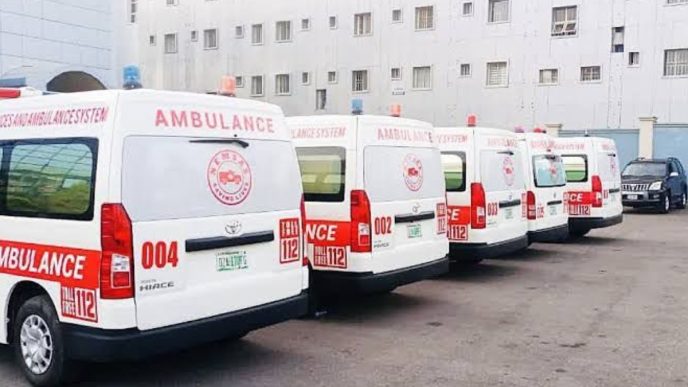
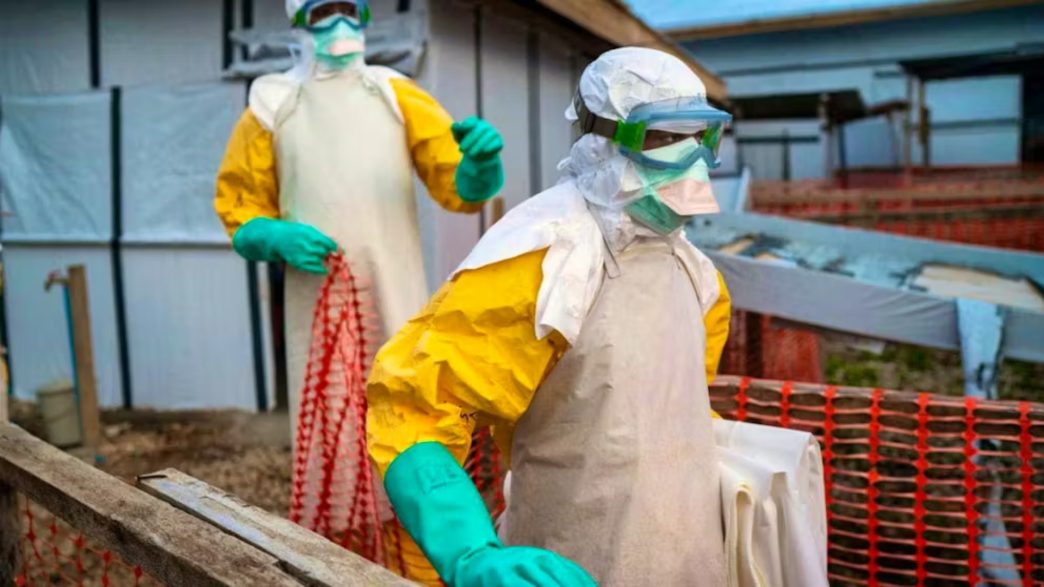
For people living in affected communities, the crisis is already becoming deeply personal. Families are watching loved ones fall sick suddenly. Health workers are once again putting themselves at risk while trying to contain infections. Reports have also raised concerns about healthcare workers becoming infected during treatment efforts, a reminder of how vulnerable frontline medical staff often become during Ebola outbreaks.
The WHO has advised neighbouring countries to strengthen border surveillance, improve testing systems, isolate confirmed cases quickly, and intensify public awareness campaigns rather than shutting them entirely.
For now, health authorities say the focus remains on containing the outbreak before it spreads further across the region.
WRITTEN BY LAWANSON REBECCA

About The Author