


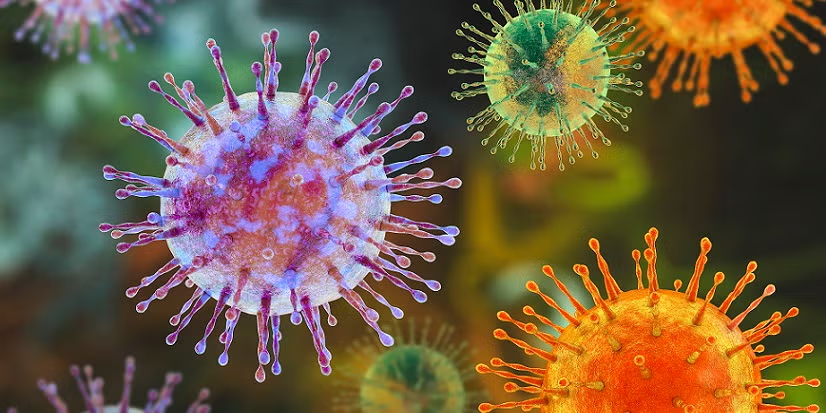
Three people have been reported to have died on a Dutch cruise ship, while many are still sick. The rare but deadly disease, Hantavirus, has been linked to their death, and this has thrown the world into panic.
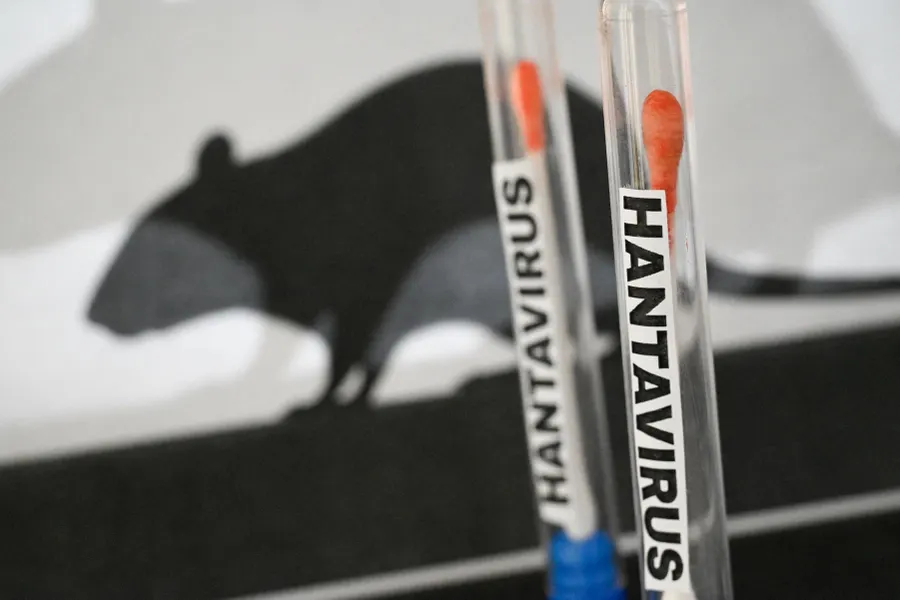
Well, hantavirus is a group of viruses carried by rodents (rat-borne disease). It is rare but can be very serious. This real germ makes people sick, but even though it is found in rodents, it doesn’t bother them at all.
Medically, it causes Hantavirus Pulmonary Syndrome (HPS) or Hemorrhagic Fever with Renal Syndrome (HFRS). Big, scary names, right? But knowing about it helps you stay safe. 
Here’s all you need to know about the hantavirus.
How Do People Get Infected with Hantavirus?
Rodents like deer mice, rats, and other wild mice carry the virus in their pee, poop, and saliva. When you come in contact with these substances, you might get infected with the virus.
Although there’s one rare case in South America where it spread between people, the hantavirus is not contracted from touching an infected mouse or from another sick person.
“Importantly, hantaviruses are not transmissible from person to person except in extremely rare circumstances,” says Dr Liam Brierley at the MRC-University of Glasgow Centre for Virus Research, UK.
However, the most common way to get infected with the hantavirus is by breathing in tiny bits of dried rodent pee or poop that float in the air. This can happen when you sweep or clean a dusty old cabin, garage, or shed where infected mice used to live.
Other rare ways of getting infected include:
- Touching something dirty with the virus and then touching your mouth, eyes, or nose without properly washing your hands.
- Getting bitten or scratched by a rodent.
- Eating rodent-infested food.
What Are the Symptoms of Hantavirus?
After you breathe in the virus, it can take one to eight weeks before you start to feel sick. The hantavirus usually starts like a normal flu. Other symptoms that will follow include:
- Fever
- Tiredness
- Muscle aches (especially in your back, legs, and shoulders)
- Headache
- Stomach upset (you feel like throwing up)
- Respiratory disturbance: You start coughing and have trouble breathing. Fluid builds up in the lungs, like drowning inside your chest.
- Problems with bleeding and the kidneys not working well.
Not everyone who breathes in the virus gets very sick or comes down with all these symptoms, but some do.
Dr. Liam Brierley of the MRC-University of Glasgow Centre for Virus Research also explained that although hantavirus can become very serious, most infections do not reach that dangerous stage. According to him, people with existing health conditions are usually at higher risk.
He also added that some types of hantavirus are milder than others. However, it is still too early to know exactly which strain affected those on board the Dutch cruise ship. This is because only one hantavirus case has been officially confirmed so far.
Is Hantavirus Curable?
Sadly, there is no special pill or drug that kills the hantavirus yet. There is also no vaccine to prevent it.
Doctors can only try to manage the symptoms by helping you breathe with oxygen or machines if needed, giving fluids through an IV, and watching your heart and kidneys closely in the hospital.
However, seeing the doctor early can help save lives.
Where Does It Happen?
Hantavirus exists in North and South America, Europe, and Asia. It’s more common in the western states in the USA, where deer mice live. It is called a rare disease because there are usually only 20-40 cases a year in the whole U.S.
How to Prevent Getting the Hantavirus
- Keep mice out of your home. Seal every hole found in walls, store food in tight containers, and clean up crumbs.
- Clean mouse wastes carefully. Before you begin, open windows to air out the room first. Then, wear a mask and gloves. Spray the area with disinfectant or a mix of bleach and water to make it wet and disinfect it. Wipe it up instead of sweepingdry poop to prevent virus bits from being in the air!
- Wash your hands thoroughly regularly.

About The Author