



Kachia, Nigeria’s “ginger capital,” no longer produces the high-quality ginger it once did. A decade ago, Nigerian ginger was prized for its pungency, aroma, and oil content, making it highly sought after by traders and exporters. Today, Farmers are currently facing crop failures, debts, and declining product quality.
According to Businessday Nigeria, Nigeria was a leading global ginger producer, mainly supplying Europe, the Middle East, and North America. Its advantage was flavour, not volume.
In 2023, a fungal disease, ginger blight, spread across Kaduna State, affecting Kachia, Kagarko, and Jaba. 
Losses were estimated to be ₦26 billion, with averages of 85% and 95% in some areas. Prices for a 50-kg bag soared, while export revenues fell. Ethiopia and other nations quickly filled supply gaps.
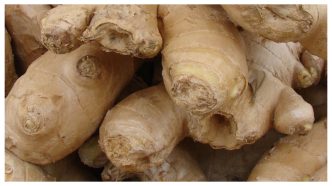
Scarcity resulted in lower-quality ginger. Bulkier, smoother rhizomes replaced the traditional varieties, but they had a milder flavour. Imported ginger from China entered the market, providing a visually appealing but less pungent product.
The decline in flavour was not caused by genetic modification but by disease stress reducing essential oils, inconsistent planting material, and disruption of local supply chains.

READ ALSO: Why Ghana Is Losing $2.5 Billion in Trade Trade Every Year
X Users Critiques Reactions to the News
@onu_slim on X argued that Nigeria’s ginger crisis started with fungal blight, but he believed other factors worsened the problem. After farmers lost many indigenous ginger seeds, intervention programs introduced replacement seedlings. An associate professor at Lagos Business School raised concerns that some of those seedlings involved GMO-related organisms that may have weakened crops and damaged soil quality.
He linked the ginger crisis to GMO seedlings, but he noted that reports mainly blamed fungal disease, weak seed systems, poor extension services, and poor disease control for the collapse.
@EmekaEzeanya on X described Nigeria’s ginger collapse as a “double crisis” caused by insecurity and failed seed policies. The post claimed that attacks in Kaduna and Plateau disrupted farming, while weak improved seedlings failed during disease outbreaks and destroyed major ginger harvests.
The user also claimed that poorly tested GMO or improved seedlings failed during fungal and nematode attacks, which destroyed large portions of ginger farms. The tweet argued that many farmers abandoned local ginger varieties for imported seedlings, a decision that later worsened the crisis.

About The Author