
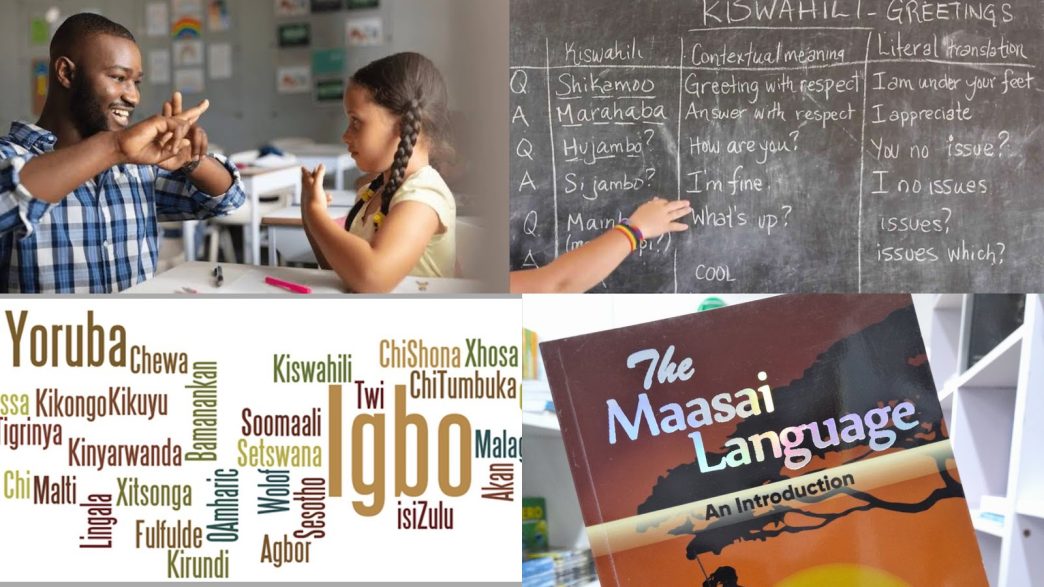
Learning a new language can feel like climbing a hill blindfolded, especially if you’re learning any African language you don’t use every day. But some quirky learning hacks work better than boring textbooks and memorisation drills.
These methods tap into habit formation, memory psychology, emotion, and daily exposure. They make you sound fluent sooner than you thought possible.
Here are 7 weird but surprisingly effective ways to learn any African language faster, with practical tips for each. 
ALSO READ: Did You Know? Africa Holds One-Third of the World’s Languages — Find Out Just How Many
1. Read Childhood Stories in the Target Language — Simplify First
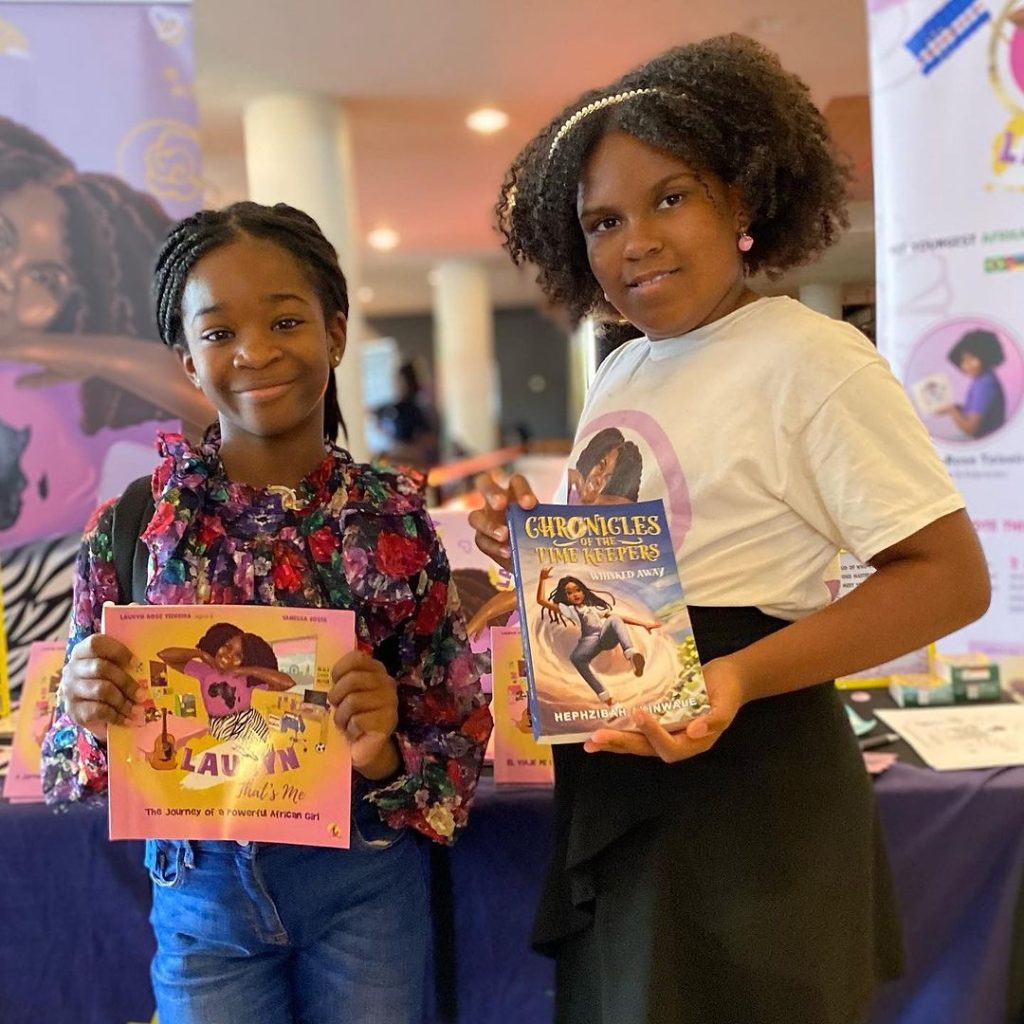
Starting with complex grammar or heavy vocab can overwhelm you. But children’s stories use simple sentence structures and repetitive words that build your confidence fast.
Books like Swahili hadithi or Yoruba iwe itan often contain clear context clues and simple dialogue. They help you understand the meaning without a dictionary.
Tip: Pick bilingual editions (English and the target language) and read a paragraph in English, then the same story in the target language. It’s fun and effective.
2. Learn Insults and Compliments First — Emotion Makes Words Stick
You might raise eyebrows at this tip. But emotional words are the ones your brain remembers fast. Whether it’s a playful insult or a genuine compliment, emotional vocabulary creates memory hooks that last.
For example, learning how to say “You’re amazing!” (U ni ajabu sana in Swahili) or “No way!” (Ko le ṣe e! in Yoruba) gives your brain content that’s sticky and relatable.
Tip: Use these phrases with caution and respect. The goal is to remember, not offend people!
3. Text Yourself One Sentence Daily — Regular Output Beats Random Input
It’s one thing to read or listen. It’s another to produce the language. Sending yourself one message every day in your target language forces your brain to recall and use vocabulary actively. It’s a little output task. But over weeks, your recall becomes automatic.
Here’s how to do it:
- Set a daily reminder at the same time
- Write something real (e.g., “I’m studying at 8 PM tonight”)
- Save the messages to see your progress
4. Learn the Filler Words First — You Sound Fluent Fast
Every fluent speaker uses filler words. They are the “glue” of casual conversation like “actually,” “literally,” “just,” or “wait.” Getting comfortable with these in languages like Hausa (da gaske for “actually”) makes your speech sound natural quickly. It works even if your vocabulary is still limited.
Tip: Watch native conversations and jot down the filler words you hear most. Then practise them in sentences. We do this every time with foreign movies. Remember how we were after we watched ‘Topboy’ innit?
5. Watch with Subtitles in the Target Language — Sound Helps Spelling
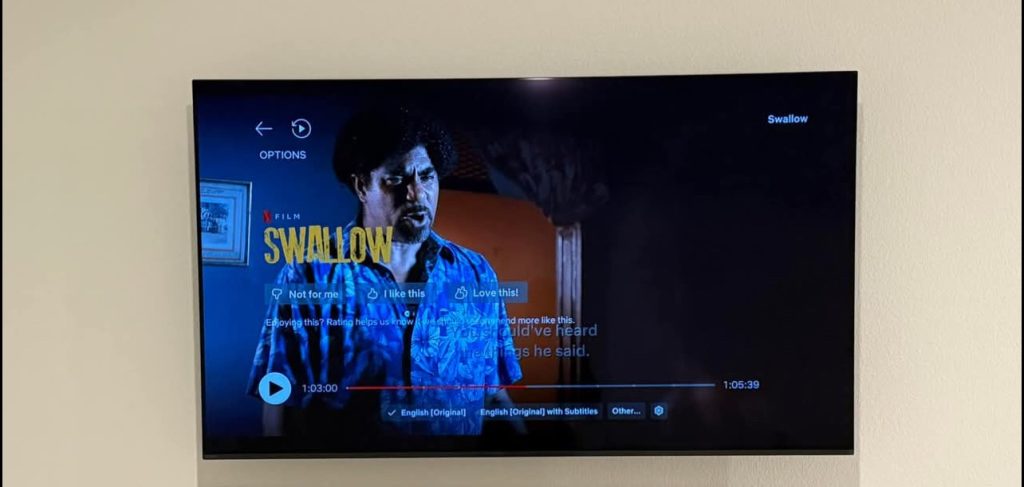
Watching films or shows in your target language with subtitles in the same language links spoken sounds to real spelling and rhythm. This creates stronger mental associations than subtitles in your native language.
For example, watch Nollywood or Kannywood films with Yoruba or Hausa subtitles. This act helps you see how everyday phrases are written and spoken. It makes pronunciation and comprehension better at the same time.
6. Label Objects in Your Room — No More Out of Sight, Out of Mind
Seeing a word multiple times every day turns passive vocabulary into active memory when you learn any African language. Stick sticky notes on objects with their names in the target language: tabili (table), ilè (house). Every glance is a mini revision session.
Tip: Change labels weekly to expand your vocabulary and read them aloud each time you pass by.
7. Use One Trigger Phrase All Day — Repetition Makes It Automatic
Pick one useful phrase you’re bound to need, such as “I don’t understand.” Then, use it every time you’re unsure of something. In Swahili, it’s Sielewi; in Yoruba, it’s ‘Ko ye mi’. By the end of the day, that phrase is in your long-term memory, and you keep practising it in meaningful contexts.
Why it works: Science proves that repetition with intent builds neural pathways faster than random memorisation.
Weird Isn’t Weird When It Works
When you learn any African language, it doesn’t have to be painful, theoretical, or slow. Your brain learns best when you:
- See words in context
- Emotionally connect to them
- Use them in real communication
- Encounter them repeatedly in daily life
These seven tips combine memory science with everyday practicality. They work better than memorising long lists of vocabulary.
So go ahead. Label your room, watch those shows with foreign subtitles, and text yourself something. Before long, your new language won’t feel foreign at all.
About The Author