


Across Africa, practices that may appear unusual to outsiders often hold spiritual, social, and symbolic meaning within the communities that uphold them.
These traditions shape identity, influence daily life, and preserve history, allowing culture to thrive despite constant change.
Africa is home to thousands of ethnic groups, and she preserves her diversity through customs passed down over generations. 
Although globalisation has reshaped many societies, several tribes continue to protect their heritage through ritual and tradition.
Below are five unusual African traditions that you probably wouldn’t understand why they still exist to date.
ALSO READ: In Ghana, People MUST Dance at Funerals — Here’s Why
Five Unusual African Traditions That Will Shock You
1. Why the Maasai Spit as a Sign of Respect and Blessing
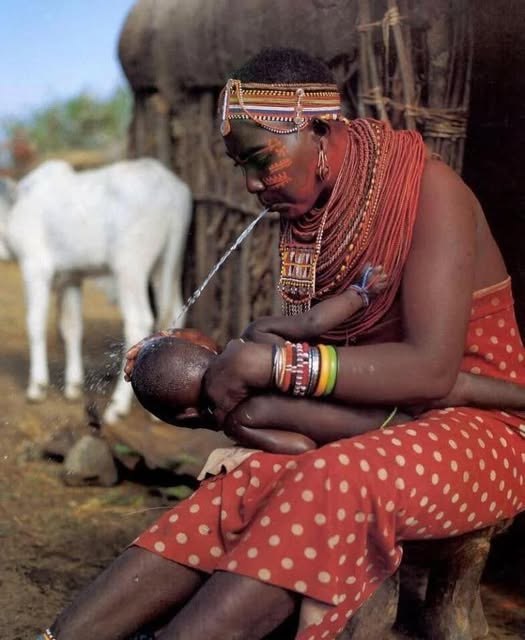
In many cultures, people associate spitting with disrespect, anger, or disgust. However, the Maasai people of Kenya and northern Tanzania treat spitting as a sacred and honourable act.
Although the Maasai make up only about 1% of the population, they enjoy international recognition and often appear in films and documentaries such as The Gods Must Be Crazy because of their distinctive customs, which continue to attract global attention.
Why the Maasai Practice Spitting
As a blessing:
The Maasai regard spit as valuable. Elders often place spit in their palms before a handshake to show approval, trust, and deep respect.
To protect newborn babies:
At birth, elders avoid praising a child. Instead, they speak negative words and gently spit on the baby to ward off bad luck and ensure a long, healthy life.
During marriage ceremonies:
On a bride’s wedding day, her father spits on her forehead and chest to bless her with fertility, prosperity, and protection.
Within Maasai culture, spit is believed to carry spiritual power, rather than insult.
2. The Tradition of Drinking Animal Blood in Kenya
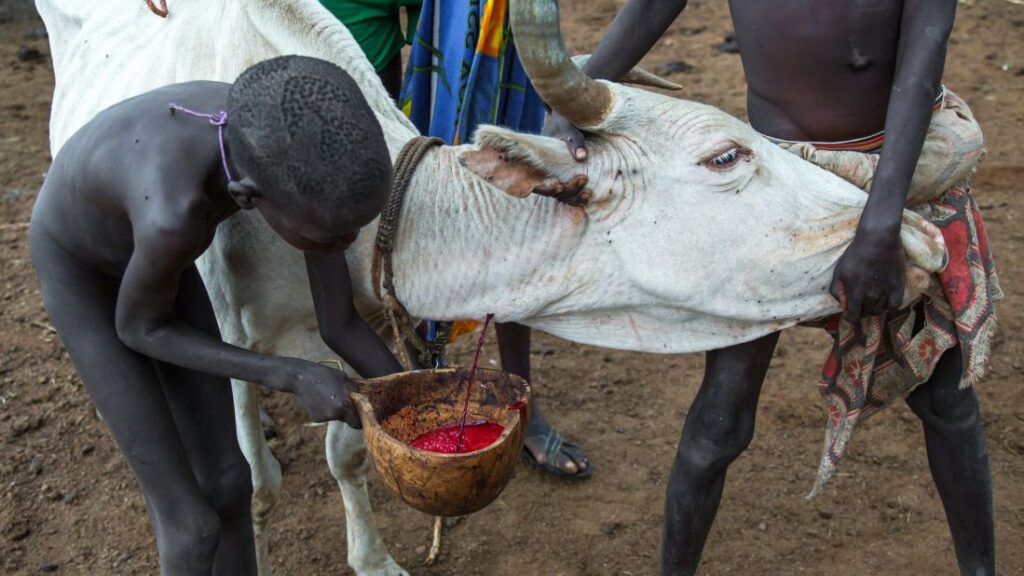
Among pastoralist communities such as the Maasai, Samburu, and Gabra, people continue to drink animal blood as an important cultural and nutritional practice.
How People Collect the Blood
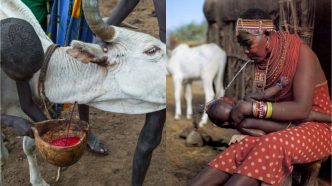
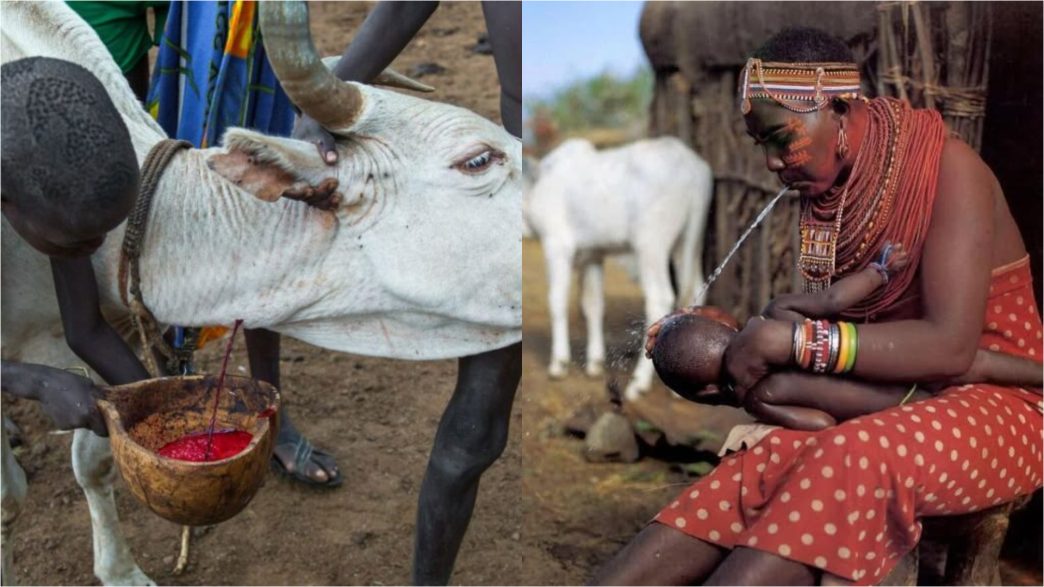
Community members collect blood through bloodletting, not slaughter. They make a small incision in a cow’s vein, collect the blood, and then seal the wound with ash or mud so the animal recovers and lives on.
When People Drink Blood
- After childbirth
- During initiation or circumcision rites
- To support recovery from illness
- As a traditional remedy for elders
People often mix the blood with milk to create a highly nutritious drink rich in iron and protein. In dry regions where food sources remain limited, this practice has supported survival for generations.
YOU MIGHT LIKE: FIFA 2026 Rankings: See 7 African Countries Dominating the List
3. Otjize: The Red Beauty Paste of the Himba People
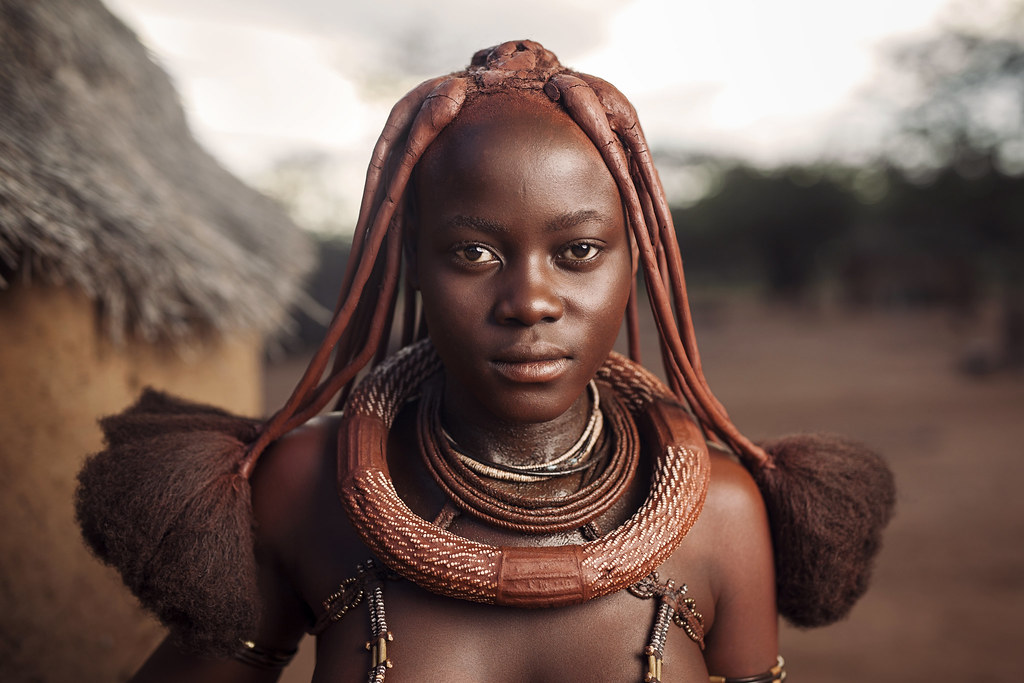
In northern Namibia, the Himba people stand out for their red-tinted skin and hair. They create this distinctive appearance by applying otjize, a traditional paste made from butterfat and ochre.
Because of this long-standing practice, many people refer to the Himba as the “Red People of Africa.”
Why Otjize Is Important
Symbolism:
Otjize represents the earth, blood, and the essence of life.
Beauty:
The Himba consider red skin the ideal beauty standard.
Protection:
The paste protects the skin from harsh sunlight and repels insects.
Hygiene:
As otjize flakes off, it removes dirt and dead skin.
Himba women apply otjize every day, often after taking smoke baths scented with aromatic resin known as omuzumba.
4. Himba Hairstyles That Communicate Identity and Status
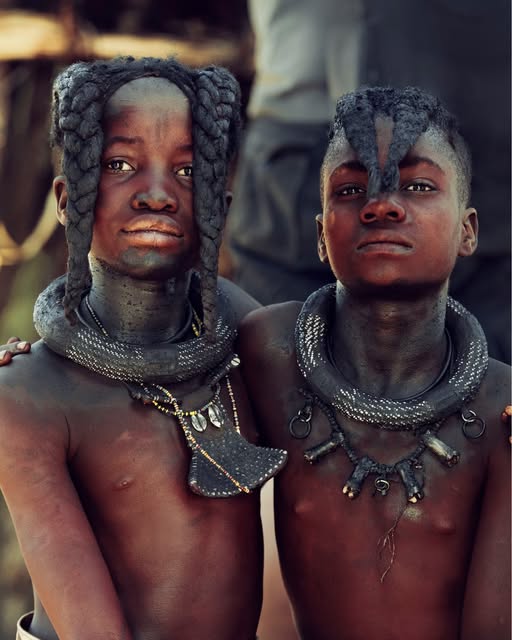
Among the Himba, people do not wear hair for decoration alone. Instead, hairstyles communicate age, fertility, marital status, and social standing.
What Himba hairstyles Mean
Young girls:
They style their hair into two forward-facing braids (ozondato) linked to their father’s clan.
Teenagers:
They wear longer braids that fall forward to reduce attention as marriage approaches.
Marriage-ready women:
They style their hair away from the face to attract potential suitors.
Married women:
They wear elaborate headdresses, such as the erembe, especially after childbirth.
Women shape these hairstyles using goat hair, woven hay, and otjize, often with help from other women in the community.
5. The Wodaabe Gerewol: Africa’s Male Beauty Competition
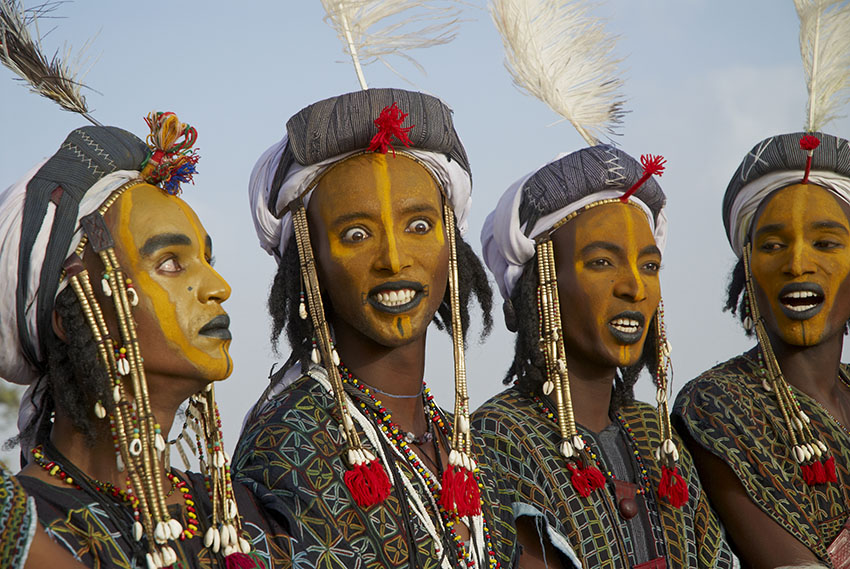
In Niger, the Wodaabe people, nomadic Fulani pastoralists, hold an annual festival called Gerewol, where men compete for attention and women choose their partners.
What Happens at the Gerewol Festival
- Men dress in elaborate costumes decorated with beads, feathers, and face paint.
- They apply white clay to highlight their teeth and eyes, which represent key beauty traits.
- Participants perform the Yaake dance, singing for hours while rolling their eyes and flashing their teeth.
- Three women serve as judges and select the most attractive men.
During the festival, women hold the authority to choose new partners, even if the men already have wives. If a woman successfully meets her chosen partner, the community accepts the new union and considers the previous marriage dissolved.
Although modernisation and migration have caused many traditions to fade, communities such as the Maasai, Himba, and Wodaabe continue to protect their heritage through rituals, oral history, and daily practices.
Rather than disappearing, these traditions continue to evolve while preserving ancestral identity.
About The Author