



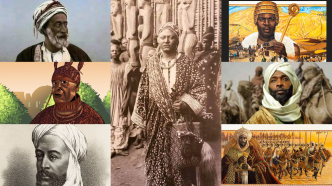
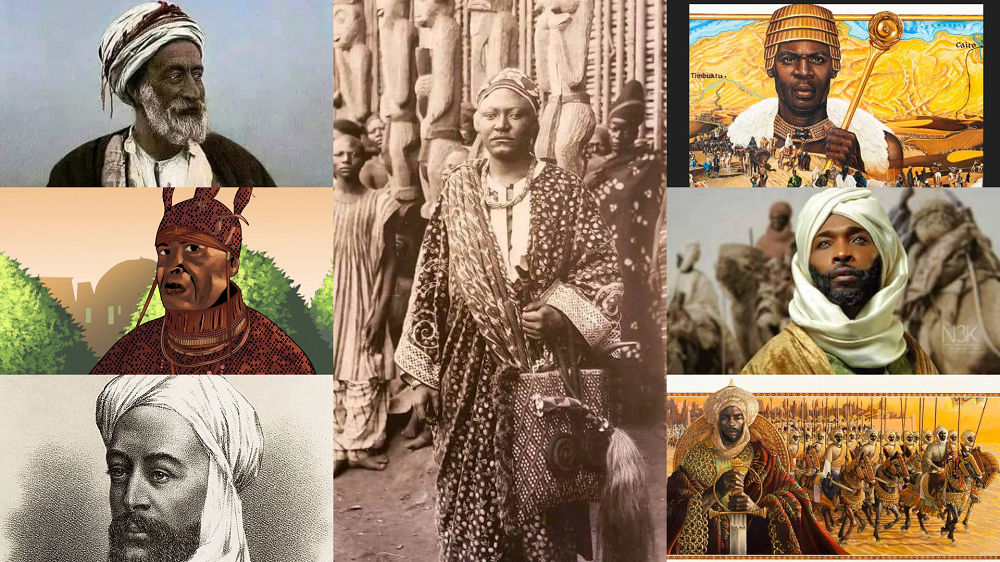
Long before presidents and prime ministers, Africa was home to powerful civilisations ruled by kings whose influence shaped the continent.
Africa was not waiting to be civilised. Instead, it was already organised, wealthy, educated, and politically complex. Kingdoms rose and fell through military strength, diplomacy, religion, and trade.
These kings were important in forming Africa’s political traditions, cultural identity, and regional power structures that still influence the continent today. 
Although colonial narratives later overshadowed them, their legacies remain undeniable. Below are 10 of the most powerful kings in ancient Africa, whose leadership helped shape the continent’s history.
ALSO READ: Did You know Ankara Fabric is not Originally African? Here’s the Truth
Top 10 Most Powerful Kings in Ancient Africa
1. Sunni Ali
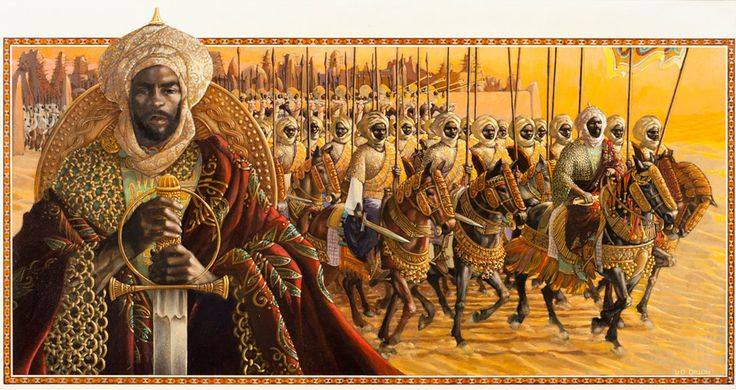
- Born: c. 1438
- Died: 1492
- Kingdom: Songhai Empire (present-day Mali, Niger, Nigeria)
Sunni Ali was the founder and first great ruler of the Songhai Empire. He made it into the most powerful state in West Africa. Through military strength, he captured key cities such as Timbuktu (1468) and Djenné (1475).
He ruled over both Muslims and non-Muslims, kept traditional African religious practices while publicly identifying as Muslim. His rule was firm and ruthless, especially towards scholars went against his authority. Nevertheless, under Sunni Ali, Songhai surpassed even the Mali Empire in size and influence.
He died in 1492, reportedly drowning while crossing the Niger River, although some accounts claim he was killed in a palace struggle.
2. Shaka Zulu
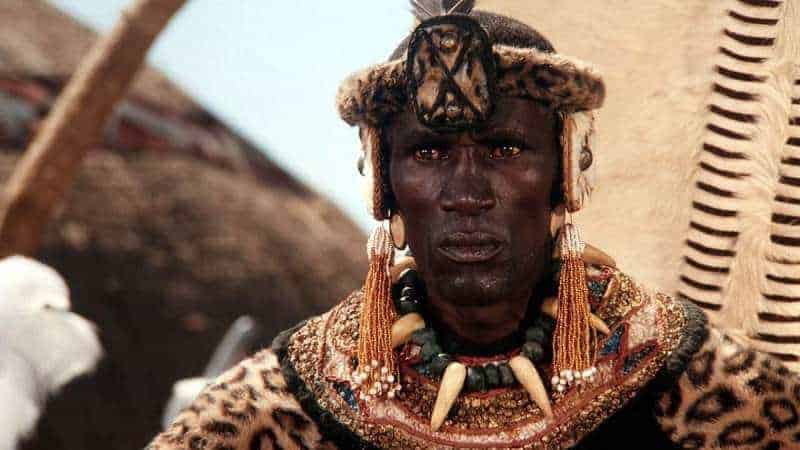
- Born: 1787
- Died: 1828
- Kingdom: Zulu Kingdom (present-day South Africa)
Shaka Zulu revolutionised warfare in southern Africa. After his exile, he built one of the most disciplined armies in African history, numbering around 40,000 soldiers at its peak.
He introduced new battle formations and short stabbing spears, turning the Zulu Kingdom into a strong military force. Although, he was a brilliant strategist, his rule became increasingly brutal. After the death of his mother, extreme policies caused widespread suffering.
In 1828, his own relatives assassinated him, ending one of Africa’s most dramatic reigns.
3. Idris Alooma
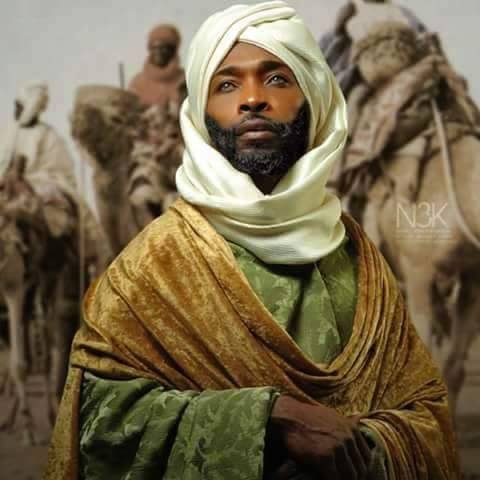
- Born: c. 1540
- Died: 1603
- Kingdom: Kanem–Bornu Empire (Chad, Nigeria, Niger)
Idris Alooma was the greatest ruler of the Kanem–Bornu Empire, leading it to military, economic, and religious control. He modernised the army, introduced the use of firearms, and built guarded cities.
He strengthened Islam, revitalised the administration, and expanded trade to the point where the capital, Ngazargamu, became one of the largest cities in the world at the time.
4. Menelik II
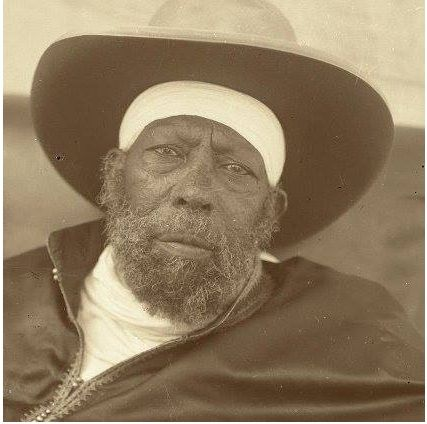
- Born: 1844
- Died: 1913
- Kingdom: Ethiopian Empire
Menelik II stands as one of Africa’s greatest monarchs. He defeated Italy at the Battle of Adwa (1896), making Ethiopia the only African state to successfully resist European colonisation.
He expanded Ethiopia’s borders, modernised governance, introduced infrastructure, and established the first cabinet system. His victory earned Ethiopia international recognition and lasting independence.
5. Mansa Musa I
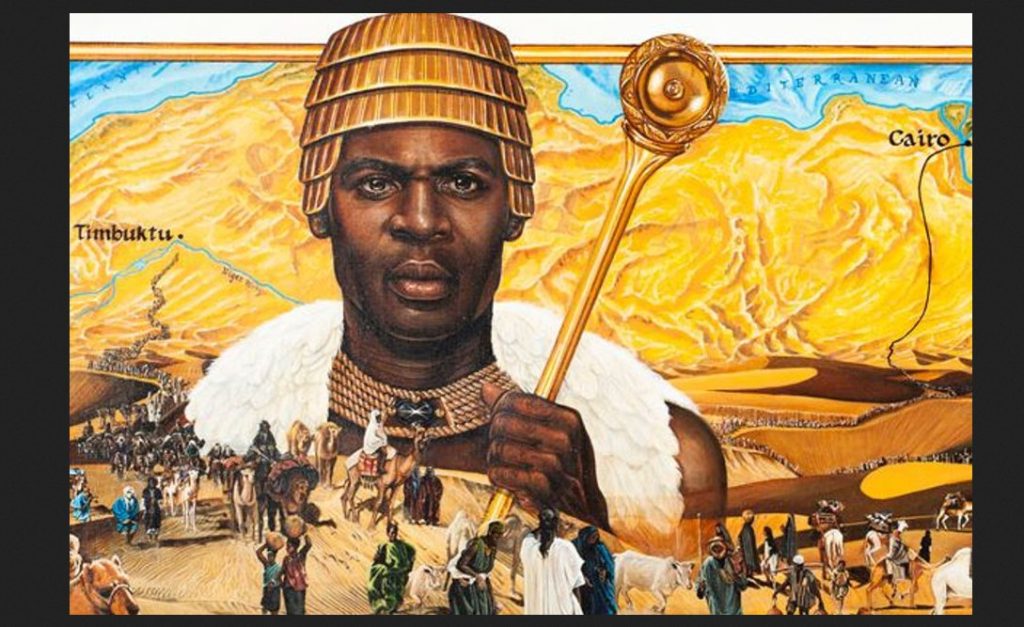
- Born: c. 1280
- Died: 1337
- Kingdom: Mali Empire
Mansa Musa is known as the richest individual in human history. His 1324 pilgrimage to Mecca revealed Mali’s immense wealth to the world, flooding Cairo’s economy with gold.
Beyond wealth, he expanded Mali’s territory, established trade networks, and made Timbuktu a global centre of learning by building mosques, schools, and libraries.
6. Tunka Manin
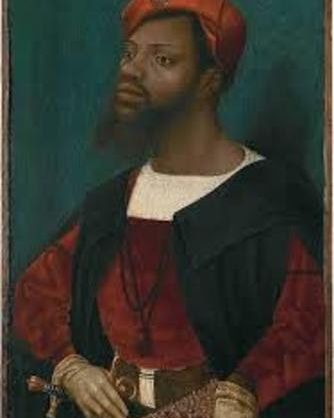
- Born: Unknown
- Died: c. 1075
- Kingdom: Ghana Empire (Wagadu)
Tunka Manin ruled at the summit of the Ghana Empire. He was known for justice governance, economic and military strength.
Although he resisted conversion to Islam, religious divisions and external invasions weakened the empire. Despite the decline, his reign marked Ghana’s final era of greatness.
YOU MIGHT LIKE: In Ghana, People MUST Dance at Funerals — Here’s Why
7. Sultan Ibrahim Njoya
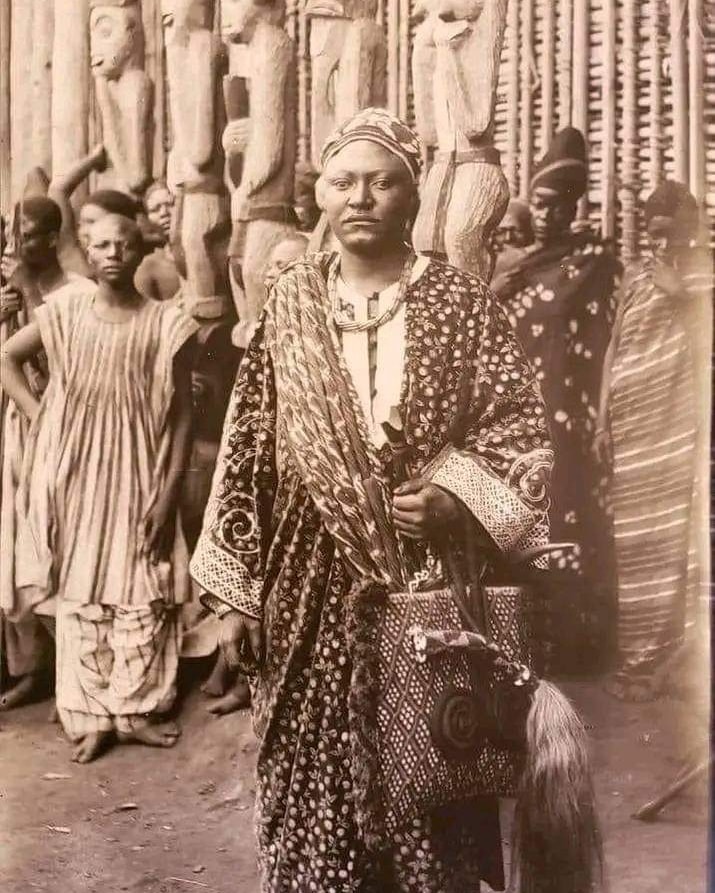
- Born: 1860
- Died: 1933
- Kingdom: Bamum Kingdom (Cameroon)
Ibrahim Njoya was a visionary ruler. He created a written script for the Bamum language, established schools, and preserved Bamum culture.
Instead of violent resistance, he used diplomacy with German colonisers to maintain autonomy and modernise his kingdom. His legacy lies in education, culture, and innovation.
8. Muhammad Ahmad al-Mahdi
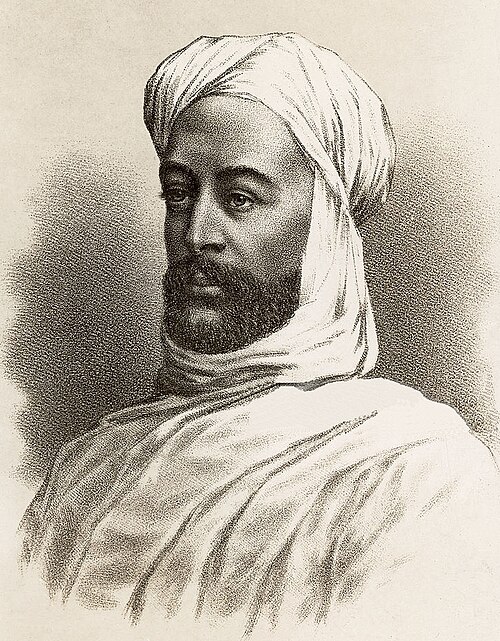
- Born: 1844
- Died: 1885
- Kingdom: Mahdist State (Sudan)
Muhammad Ahmad declared himself the Mahdi and led a successful rebellion against Ottoman-Egyptian and British rule. His forces captured Khartoum and killed British General Charles Gordon.
Although his state was short-lived, his movement inspired anti-colonial resistance across Africa.
9. Oba Ewuare the Great
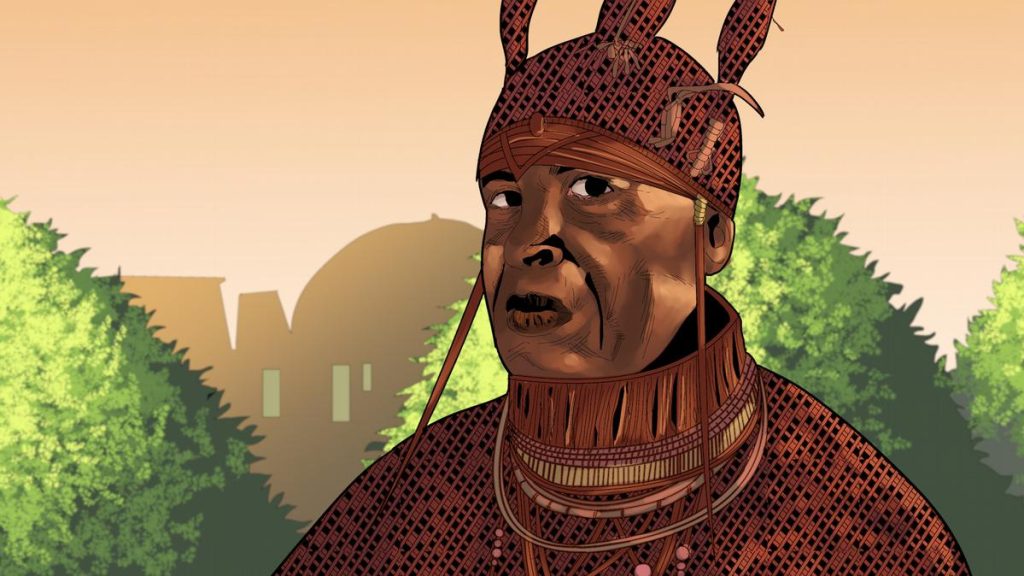
- Born: c. 1420
- Died: 1473
- Kingdom: Benin Empire (Nigeria)
Ewuare transformed Benin after a violent rise to power. He rebuilt Benin City, reformed governance, expanded territory, and became a major patron of the arts.
Under him, Benin’s bronze, ivory, and wood artworks flourished, many of which still astonish the world today.
10. Usman dan Fodio
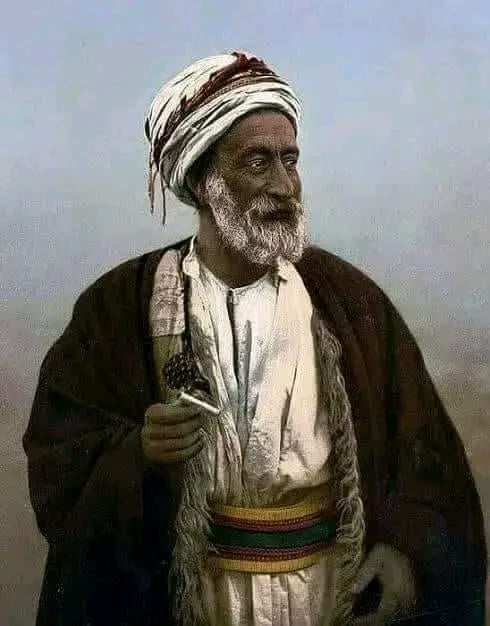
- Born: 1754
- Died: 1817
- Kingdom: Sokoto Caliphate (Nigeria)
Usman dan Fodio founded the largest state in West Africa in the 19th century. A scholar and reformer, he led a jihad against corruption and injustice.
He promoted education, including for women, and authored over 100 books. His caliphate reshaped northern Nigeria politically, religiously, and culturally.
About The Author