


Rail transport is reshaping Africa’s economic future. In 2025, railways are no longer just about moving people. They are powering mineral exports, reducing logistics costs, easing urban congestion, and connecting African markets to the world. From high-speed passenger lines to heavy-haul freight corridors, here are the 10 countries with the best rail systems in Africa 2025. They stand out for scale, investment, reliability, and strategic importance.
READ ALSO: Which African Country Has The Strongest Military in 2025? – See Top 10
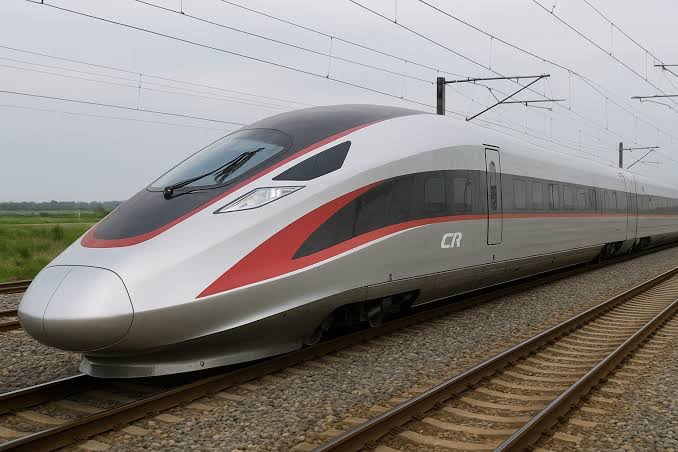
10. Democratic Republic of the Congo (DRC)
Despite difficult terrain, the DRC’s rail network remains vital for mineral exports, especially copper and cobalt. With over 3,600 km of rail and its central role in the $10 billion Lobito Corridor project linking mines to Angola’s port, rail remains critical to the country’s economic future. 
9. Nigeria
Nigeria’s rail revival is still in progress, but the momentum is clear. New standard-gauge lines like Abuja–Kaduna, Lagos–Ibadan, and Warri–Itakpe have improved intercity travel and freight movement. With billions invested and more routes planned, Nigeria’s rail system is slowly regaining relevance.
8. Mozambique
Mozambique punches above its weight as a logistics hub. Its rail corridors, Maputo, Beira, and Nacala, move coal and agricultural goods from landlocked neighbours to ports. Though freight-focused and mostly non-electrified, its regional importance is undeniable.
7. Tanzania
Tanzania’s ambitious Standard Gauge Railway project is reshaping East African transport. Designed for speeds up to 160km/h and future electrification, the network aims to link Dar es Salaam to Rwanda and Burundi, strengthening regional trade.
6. Tunisia
Tunisia offers one of North Africa’s most balanced rail systems. With nearly 1,800 km of track and ongoing upgrades to commuter and intercity lines, it stands out for stability, electrification, and urban connectivity.
5. Algeria
Algeria’s 4,000 km rail network supports both freight and long-distance passenger travel across vast distances. New high-speed corridors and electrification projects are steadily modernising the system and improving national integration.
READ ALSO: Top 5 African Cities With the Best Nightlife in December
4. Kenya
Kenya’s Standard Gauge Railway transformed travel between Mombasa and Nairobi, cutting travel time and boosting port efficiency. Though diesel-powered for now, future electrification plans and regional expansion keep Kenya among Africa’s rail leaders.
3. Egypt
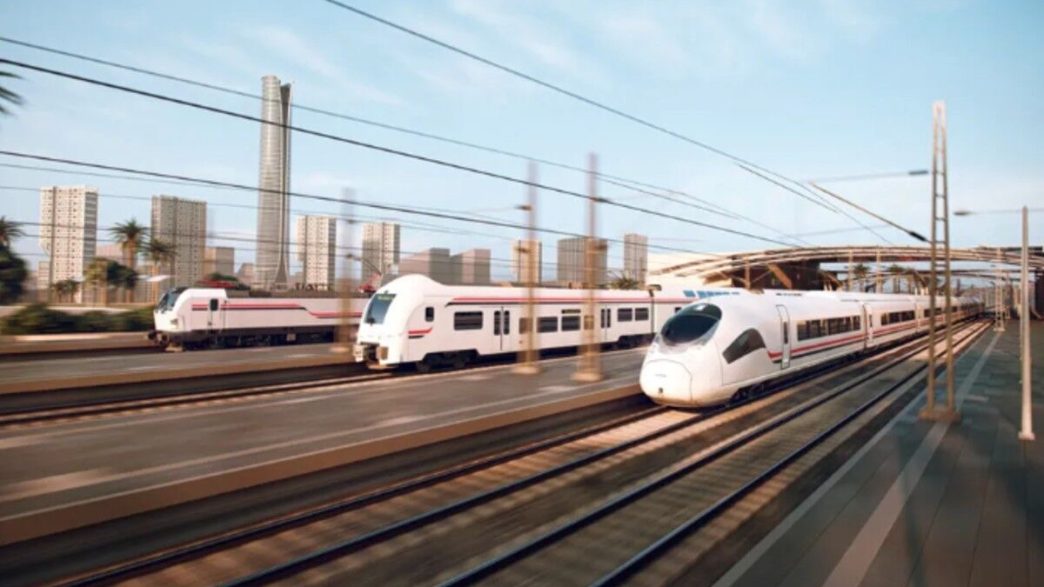
Egypt is building Africa’s most ambitious rail future. With over 6,600 km of track and a Siemens-led high-speed rail project exceeding 2,000 km, Egypt is positioning itself as North Africa’s passenger and freight powerhouse.
2. Morocco
Morocco set the gold standard with Al Boraq, Africa’s first high-speed train, reaching 320 km/h. Its modern stations, electrified lines, and expansion plans prove that strategic investment beats sheer size.
1. South Africa
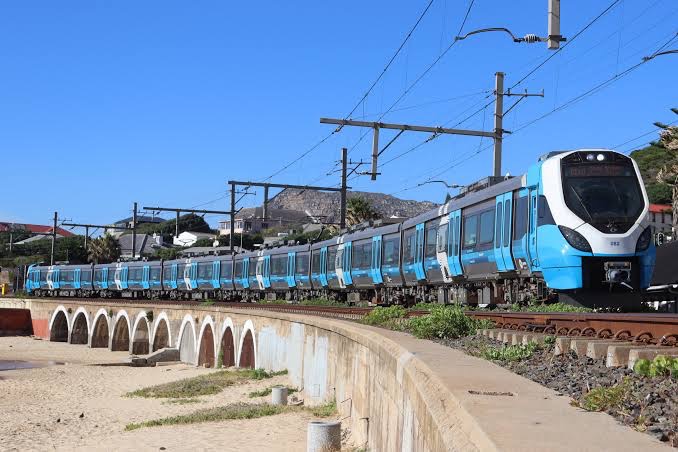
South Africa remains Africa’s rail giant. With over 20,000 km of track, electrified heavy-haul lines like Sishen–Saldanha, and massive freight capacity, its rail network underpins mining, exports, and national logistics at scale.
Final Thoughts
Africa’s rail revolution is no longer a promise. It’s happening. As countries invest in speed, electrification, and regional connectivity, railways are fast becoming the backbone of the continent’s economic growth in 2025 and beyond.
About The Author