



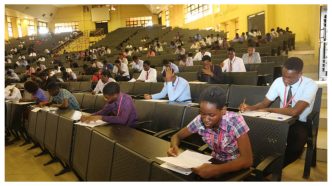
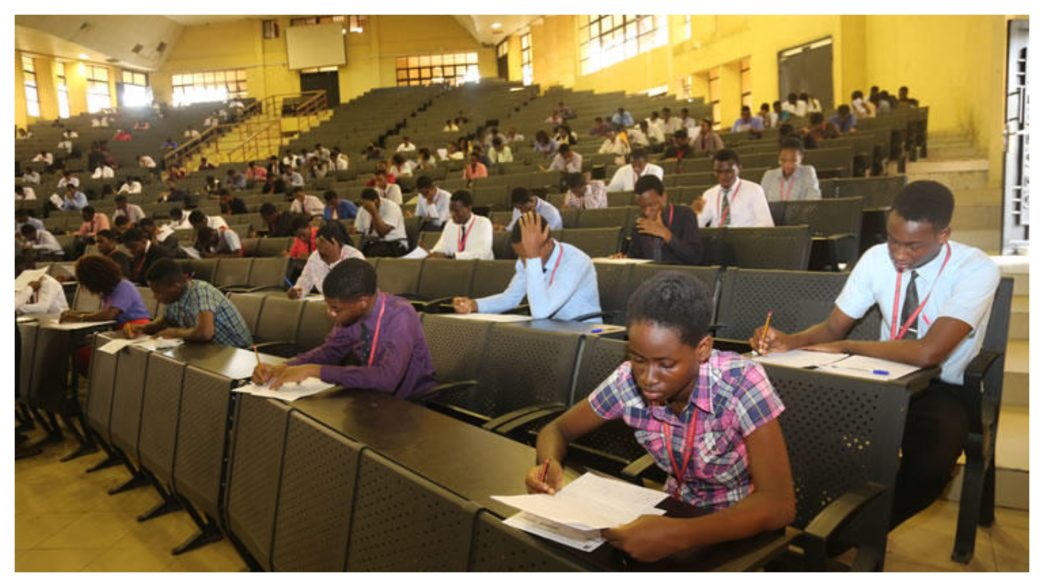
Somewhere in almost every department, there is always that one student everybody suddenly stops seeing after results come out.
There is a particular kind of silence that follows bad results in school—not the loud kind, not crying, and not shouting. It is just that quiet moment where the student opens their portal, checks their grades, stares at the screen for a few seconds longer than normal, and then disappears from everybody for the rest of the day.
In Nigerian universities, people joke about carryovers all the time, and there are memes everywhere. “Na only God fit save person.” “Departmental tears.” “Who send me come this school?” Everybody laughs, but behind a lot of those jokes are students genuinely falling apart mentally. 
Hearing recent stories of students attempting suicide after seeing examination results has honestly become disturbing.
There have been reports of students drinking Sniper after checking their grades. In one case, a student allegedly locked himself in his hostel room after seeing his results. Luckily, his roommate noticed something was wrong early enough, and he was rushed to the school clinic. In another situation, a final-year student was also linked to a similar incident after results were released.
The scary thing is how quickly people move on from these stories. Everybody talks about it for two days, and then lectures continue like nothing happened.
Sometimes, the pressure shows up publicly before people realise how serious things actually are. I remember hearing about a student who reportedly studied rigorously for an exam, entered the hall, suddenly forgot everything he had read, and then walked outside afterwards and tore his clothes in the middle of the faculty.
People laughed, some recorded videos, and some called him mad. But honestly, what kind of pressure pushes somebody to that point mentally?
After a while, many students stop seeing bad grades as “I failed this course”. It becomes “Maybe I’m just not intelligent,” “Why are my efforts not being reflected?” or “What did I write wrong?” That is only the beginning of the problem.
One thing people rarely talk about enough is how emotionally brutal university systems can be, especially in schools where effort and results sometimes feel completely disconnected. There are students who begin reading from the first week of resumption and students who barely sleep, who are surviving on caffeine, energy drinks, and anxiety for months, reading so hard that their bodies start reacting physically.
I once had a coursemate who eventually left school entirely because her results never matched the effort she was putting in. This was somebody who had already gone through the stress of getting a diploma before entering the university system properly. During exams, the girl would literally rub Aboniki balm close to her eyes just to stay awake overnight and continue reading. Yet, results would come out, and somehow she was carrying over courses again.
At some point, people stop asking, “Did you fail?” and start asking, “What is wrong with you?” That pressure changes people.
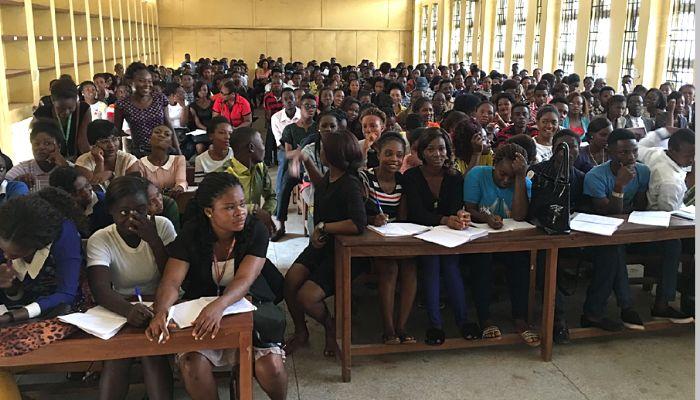
The uncomfortable truth is that the academic grading system does not always reflect intelligence, effort, creativity, emotional resilience, or even actual understanding. Sometimes it rewards memorisation, sometimes it’s just luck, sometimes lecturer bias, sometimes poor exam structures, sometimes burnout, or sometimes personal struggles nobody else can see. And yet, students keep attaching their entire self-worth to those numbers.
A student fails two courses, and suddenly everybody around them starts moving differently. Parents become disappointed, friends pull ahead academically, group chats become awkward, and some people stop attending classes out of shame entirely.
So, what exactly are schools measuring? If somebody spends months reading, sacrificing sleep, trying repeatedly, and still drowning academically, is the immediate conclusion really that they are dull? Or is the Nigerian academic system simply failing?
The scary part is how normalised academic suffering has become. Students openly say things like, “If I fail this semester, I’m finished,” and people around them laugh instead of asking if they are okay.
Not every student breaking down academically is lazy. Some are genuinely trying harder than people realise, some are simply tired, some are battling pressure from home, some are mentally burnt out, and some are learning in environments that reward survival more than actual growth, and maybe that is the real problem.
Too many students now measure their value entirely around grades, while schools continue producing environments where failure often feels less like a setback and public humiliation.
The Nigerian tertiary education is all too happy to hand out carryovers and fail grades; rather than see it as a failure in its system.
Nigerian universities need to support their students and provide all they need to pass a course, not make an exam or learning so hard that they are guaranteed to fail.
Finally, this is to the students we never see again after exams, the university failed you, you didn’t fail.
WRITTEN BY REBECCA LAWANSON
ALSO READ: The Privacy Crisis in Nigerian Female Hostels as Non-Consensual Pictures Are Sold Online

About The Author