


When soldiers stormed Benin’s state TV on Sunday, 7 December 2025, announcing the removal of President Patrice Talon, many Africans simply sighed. Another one? Again?
For a region that has endured more coups in the last five years than the World Cup has goals, Benin’s attempted takeover felt like a continuation of a very familiar playlist.
Although officials later announced the coup had been foiled, the attempted takeover is part of a wider pattern: disputed elections, constitutional tweaks, insecurity, and young populations tired of what they call “democracy in name only.” 
To understand why Benin is suddenly in this club, here’s a timeline of coups in Africa that have shaped the recent political chaos.
READ ALSO: Same Script, Different Government: 10 Times Nigeria Tried to End VIP Police Escorts
A Timeline of Coups in Africa Since 2020

1. Mali (2020 & 2021): When Coup Déjà Vu Became a Thing
Mali didn’t just have one coup. It had two within nine months.
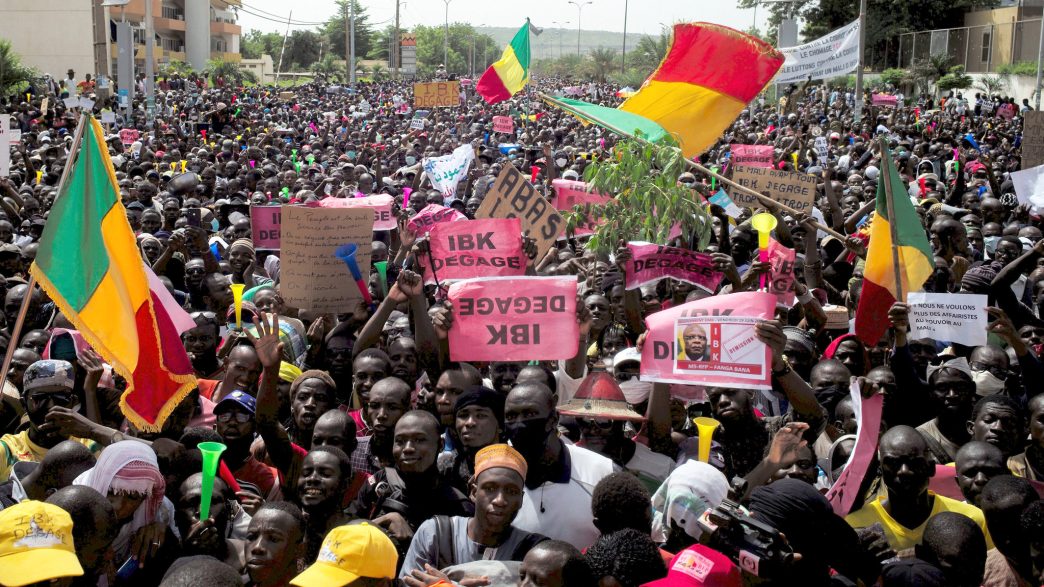
After massive protests and corruption allegations, soldiers ousted President Ibrahim Keïta in 2020. A transitional government followed… until the military leader Assimi Goïta ousted the civilians in 2021 and declared himself President.
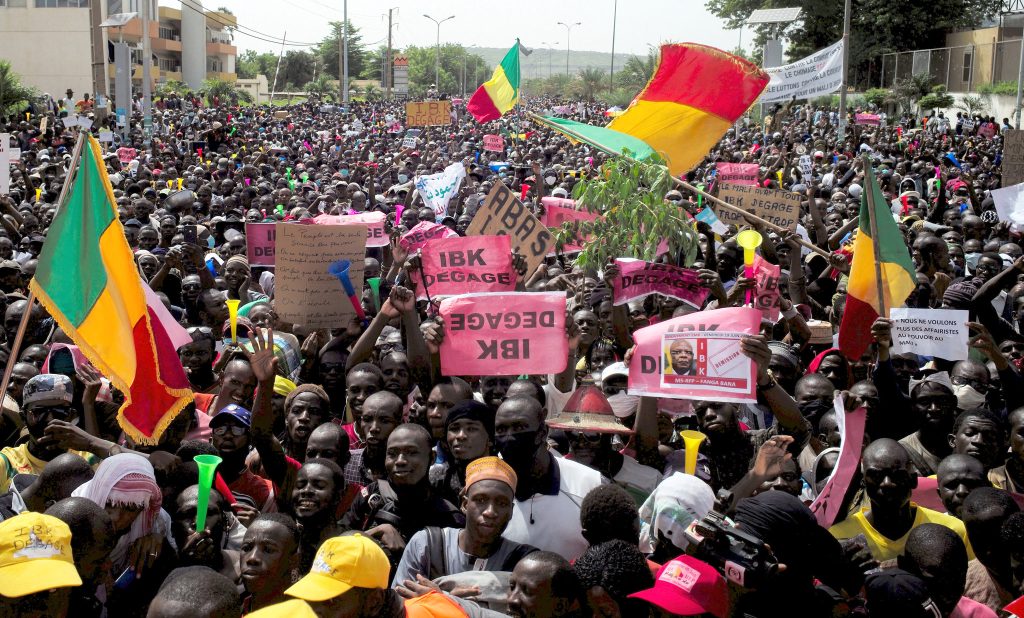
The promised election? Now scheduled for 2077. No, that’s not a typo.
Suddenly, Mali, Burkina Faso, and Niger (all landlocked neighbours) became an anti-ECOWAS trio, forming their own bloc after rejecting pressure to return to democracy.
2. Chad (2021): Father’s Funeral, Son’s Coronation
After longtime ruler Idriss Déby died on the battlefield, his son, Mahamat Idris Déby, immediately took power, creating what critics called a “family handover disguised as transition.”

He promised elections and held one in 2024, but the opposition cried foul, alleging the poll was rigged. The crackdown began soon after, including a 20-year prison sentence for former Prime Minister Succes Masra.
3. Guinea (2021): Third Term? Soldiers Said “Not On Our Watch”
Military strongman Mamady Doumbouya led Guinea’s coup after President Alpha Condé changed the constitution to run for a third term in 2020. Many citizens felt the move was a spit in the face of democratic norms.
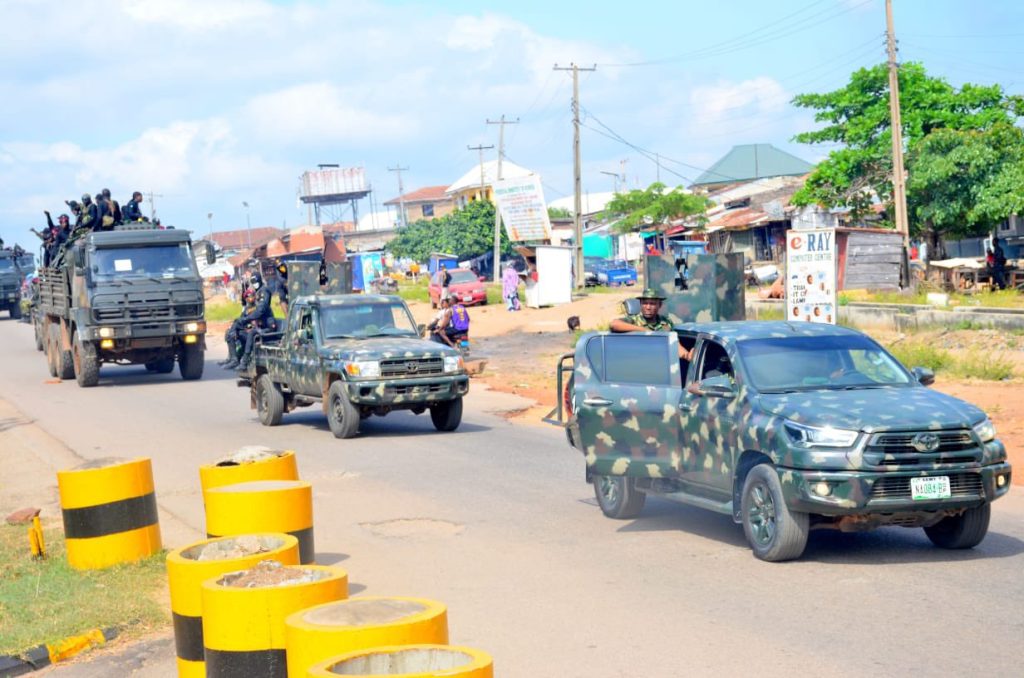
Doumbouya now plans to run in the December polls, swapping his beret for a suit, at least for campaign posters. He’s also helped by a referendum that extended term limits and allows junta members to contest elections.
4. Sudan (2021): The Coup That Triggered a Catastrophic Civil War
Sudan experienced one of its most consequential coups when Gen. Abdel-Fattah Burhan toppled long-time dictator Omar al-Bashir and briefly shared power with RSF leader Mohamed “Hemedti” Dagalo.
That fragile partnership collapsed in April 2023, leading to a devastating conflict that the UN calls one of the world’s worst humanitarian crises to date. The war is still ongoing.
5. Burkina Faso (Twice in 2022!): Two Coups, Same Storyline
First, soldiers ousted President Roch Kaboré, blaming him for worsening security issues. Then, eight months later, Capt. Ibrahim Traoré overthrew Lt. Col. Damiba, also blaming him for security issues.

Traoré dissolved the electoral commission this year and continues to rule, positioning himself as a youth-driven anti-establishment figure.
6. Niger (2023): The Coup That ‘Broke’ ECOWAS
Gen. Abdourahamane Tchiani removed President Mohamed Bazoum in a dramatic move that almost triggered a regional war. The Economic Community of West African States (ECOWAS) threatened military intervention. But, Niger aligned with Mali and Burkina Faso to form the Alliance of Sahel States, essentially saying: “We’re on our own.”
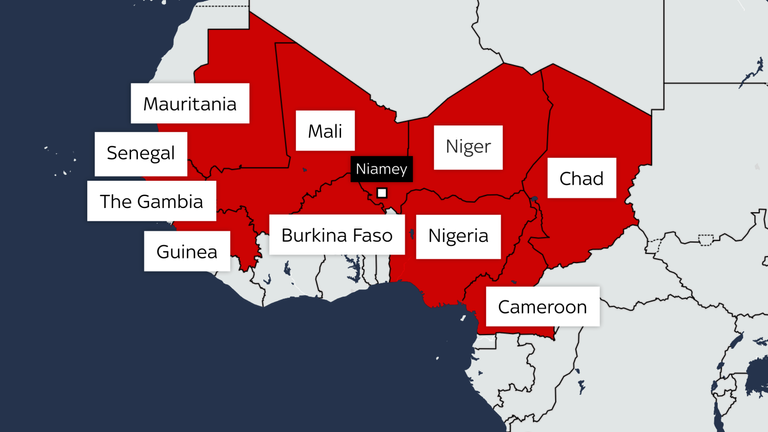
Democracy in Niger is on an indefinite hold.
7. Gabon (2023): Election Today, Coup Tomorrow
Moments after President Ali Bongo (in power for 14 years) was declared the winner of a controversial election, soldiers went on TV to say: “Actually, no.”
They annulled the vote, dissolved state institutions, and installed Brice Oligui Nguema, Bongo’s cousin, as leader.
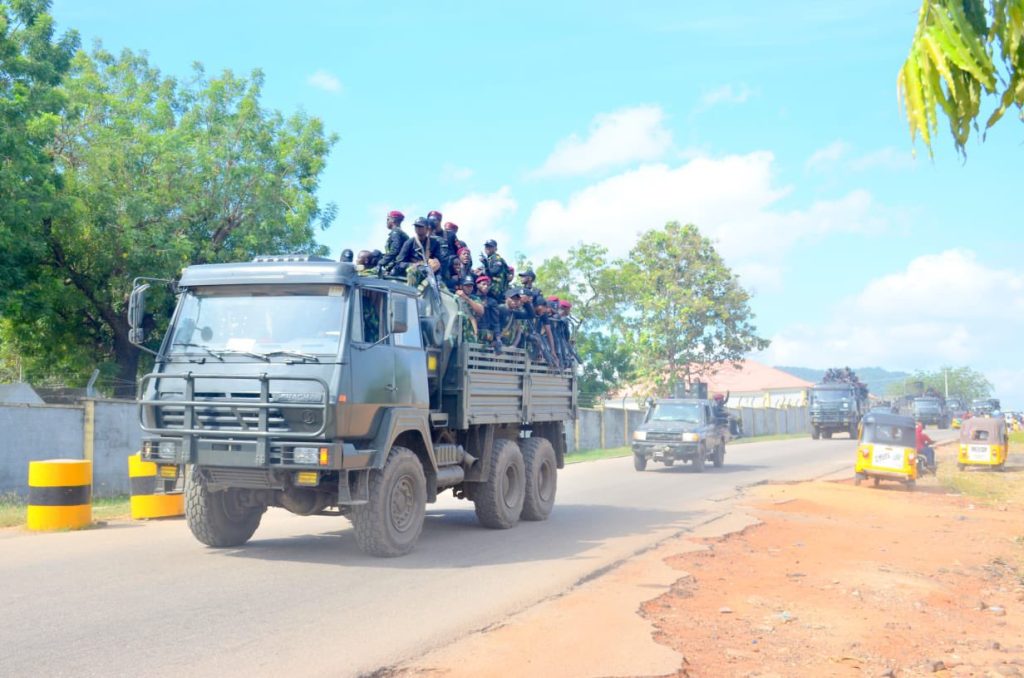
Nguema later “won” a presidential election in April 2025.
8. Madagascar (2025): Youth Protests, Soldiers Step In
Persistent water shortages and power outages pushed Madagascar’s youth to the streets.

Former President Andry Rajoelina dissolved his government but refused to resign. That only escalated tensions as the military did what militaries in this article do: TOOK OVER!
9. Guinea-Bissau (2025): When Election Drama Meets Military Drama
After a heavily disputed presidential election on November 23, soldiers seized power on November 26. Critics argued the coup was staged to prevent the incumbent, Umaro Sissoco Embaló, from losing.
Both Embaló and opposition candidate Fernando Dias claimed victory.
Soldiers later allowed Embaló to flee to Senegal while they formed a junta filled with some of his close allies.
10. Benin Republic (2025): A New Joiner?
Soldiers calling themselves the Military Committee for Refoundation appeared on state TV claiming they had removed President Patrice Talon, dissolved all institutions, and appointed Lt. Col. Pascal Tigri as their leader.
Hours later, the Interior Minister announced that the coup had been foiled and that the mutineers had acted alone.
Still, the optics alone placed Benin firmly on Africa’s coup timeline. They are now part of a continental trend:
- Young citizens who feel governance is broken,
- Armies who think they can “fix it,” and
- Democracies that wobble like a 3-legged chair.
About The Author