


Saif al-Islam Gaddafi is dead. And with him goes one of the most complicated political stories Libya has seen since the fall of his father, Muammar Gaddafi.
According to Libya’s state news agency, the 53-year-old was assassinated in his garden in the city of Zintan.
The head of his political team confirmed the killing on Tuesday, while his lawyer told AFP that a four-man commando unit carried out the attack at his home. Conflicting accounts later emerged, including claims from his sister that he died near Libya’s border with Algeria. 
Regardless of the version, it’s clear that the man once seen as Gaddafi’s heir is gone.
DID YOU MISS: 8 African Leaders Whose Assassinations Shook the Continent
His death instantly reopened old wounds in a country that has never truly healed since 2011.
Who is Saif al-Islam Gaddafi?
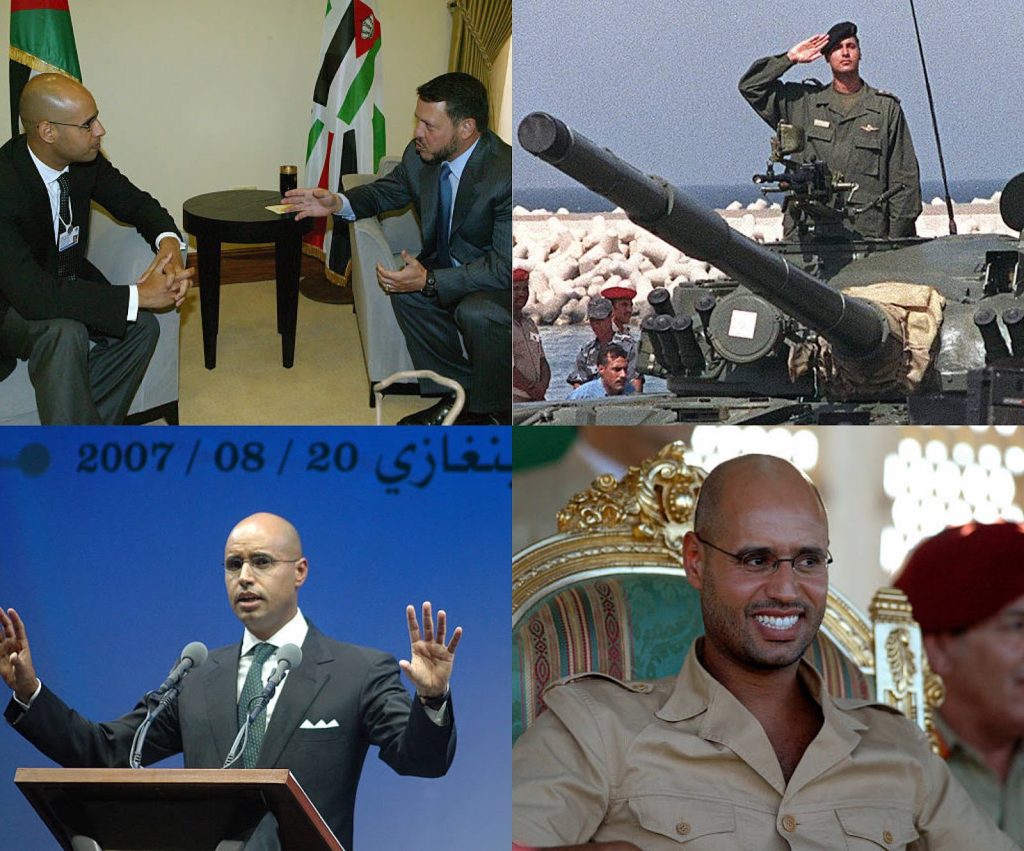
To some Libyans, Saif al-Islam symbolised the unfinished story of the Gaddafi era. He’s the son who might have returned to power. His name still carried weight, fear, loyalty, and nostalgia in equal measure.
To others, he was a reminder of repression, brutality, and a regime that crushed dissent without mercy.
Before Libya collapsed into civil war, Saif al-Islam was more than just “Gaddafi’s son”. He was the regime’s global face. Western-educated, fluent, polished, and strategic, he positioned himself as the bridge between Libya and the West.
Saif al-Islam Gaddafi studied at the London School of Economics. He led negotiations that helped Libya abandon its nuclear weapons programme and played key roles in restoring diplomatic relations with Europe and the United States.
In global capitals, he was seen as the “acceptable Gaddafi”. Saif al-Islam was the reformer, the moderniser, the future.
Then 2011 Happened
But when the 2011 uprising came, that image shattered.
Accused of directing violent crackdowns on protesters, placed under UN sanctions, and wanted by the International Criminal Court for crimes against humanity, Saif al-Islam became a symbol of everything Libyans were rising against.
After his father’s killing, he was imprisoned by militias and sentenced to death in absentia. But he later got released under an amnesty law and lived in political limbo (neither fully free nor fully forgotten).
His attempted political comeback in 2021, when he announced a presidential run, showed just how powerful his name still was. For supporters, he represented stability and continuity. For critics, he represented impunity and unresolved justice.
Now he is dead. Not in court, not in exile, not in power, but assassinated. That may be the most symbolic ending of all.

About The Author