


PayPal is deepening its push into the Middle East and Africa, and this time, it’s not just about payments. The U.S. fintech giant is seeking approval to launch PayPal Bank, a move that would let it lend directly, take deposits, and operate more like a traditional financial institution.
At the same time, it is preparing to roll out PayPal World, a cross-border digital wallet platform slated for Africa in 2026. Together, the plans promise easier global payments and better access to capital for small businesses and freelancers across the continent.
However, as PayPal expands its footprint, many Africans are responding with caution, skepticism, and hard questions shaped by years of high fees, frozen accounts, and trust issues. 
Why PayPal Wants Its Own Bank
For over a decade, PayPal has quietly been a major lender. Since 2013, it has originated over $30 billion in loans to more than 420,000 small businesses globally. The catch? Every loan had to be routed through partner banks like WebBank, Wells Fargo, and JPMorgan Chase.
PayPal handled underwriting, sales, and customer relationships but shared profits and control. A bank charter changes that.
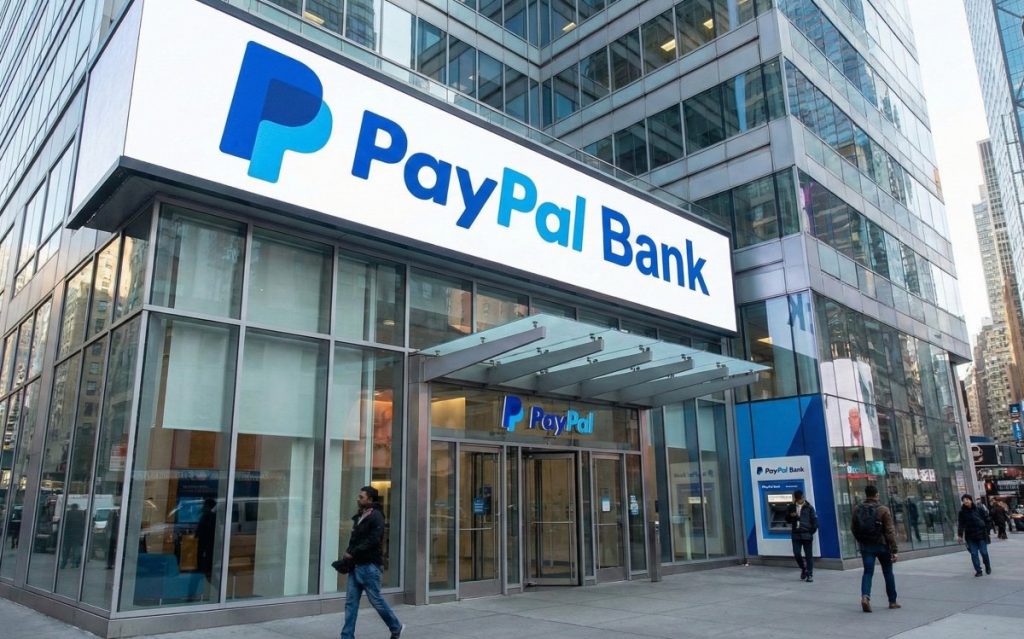
If approved by the FDIC and Utah regulators, PayPal Bank would let the company lend directly, hold customer deposits, and offer interest-bearing savings accounts. This approval cuts out middlemen and improves margins. For small businesses, this could mean faster access to capital from a platform they already use daily.
What Plans Does PayPal Have for Africa?
Africa is not getting PayPal Bank, at least not yet. But it is getting PayPal World. Scheduled for a 2026 launch, PayPal World is a wallet-to-wallet interoperability layer, not a standalone PayPal account.
You won’t need to open a new wallet. Instead, PayPal plans to connect local African wallets and mobile money platforms directly to its global merchant network. If you already use a local wallet, you can pay international merchants via a PayPal checkout button while PayPal handles the cross-border complexities in the background.
This matters because Africa already dominates over 70% of global mobile money transaction value. Yet cross-border payments remain expensive, fragmented, and unreliable. PayPal World aims to fix that by partnering with, not competing against, local fintechs.
PayPal has confirmed discussions with African partners and committed $100 million to investments and innovation across the Middle East and Africa, including local hiring.
READ ALSO: Dangote Named First-Ever Chair of ECOWAS Business Council
PayPal Africa Expansion: The Value Proposition and the Trust Problem
On paper, the pitch is strong. PayPal is offering easier international payments, better access to global markets, and eventually, cheaper lending for small businesses in Africa. But African users are cautious and for good reason.
PayPal has a long history of high fees, sudden account freezes, opaque dispute processes, and limited recourse, particularly in underserved markets. Recent updates to its African terms introduced higher international transaction fees, dispute charges, and new withdrawal costs. Many freelancers and SMEs feel these moves only ‘clip their wings.’
Online reactions to PayPal Bank reflect that skepticism. Some users argue PayPal is simply becoming the very banking institution it once claimed to disrupt, while others worry that tighter regulation won’t translate to better treatment for African customers.
Final Thoughts
PayPal’s expansion into Africa, paired with its push to become a fully licensed bank appear promising on paper. It could unlock easier payments, broader market access, and eventually better financing for African businesses.
But for many Africans, the excitement is tempered by memories of high fees, frozen accounts, and unclear enforcement. Until PayPal proves that this new phase prioritises fairness, transparency, and favours our realities as a continent, African users will keep watching with our guards up.
About The Author